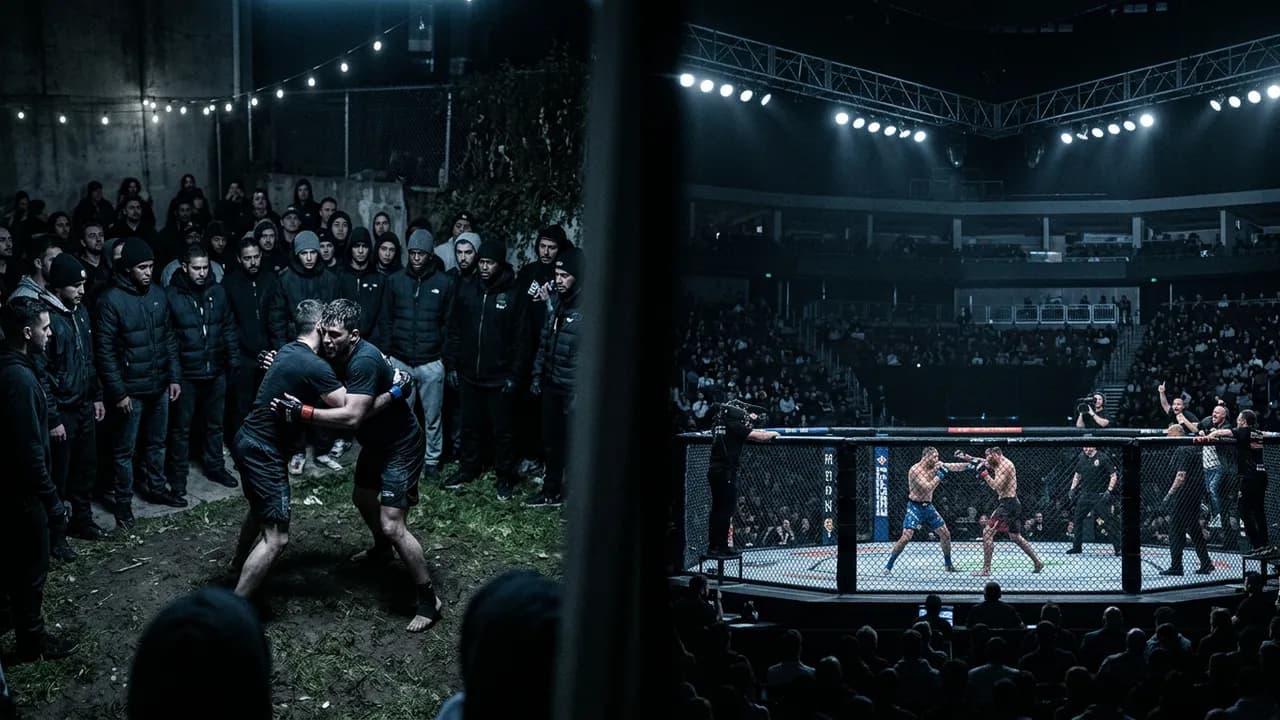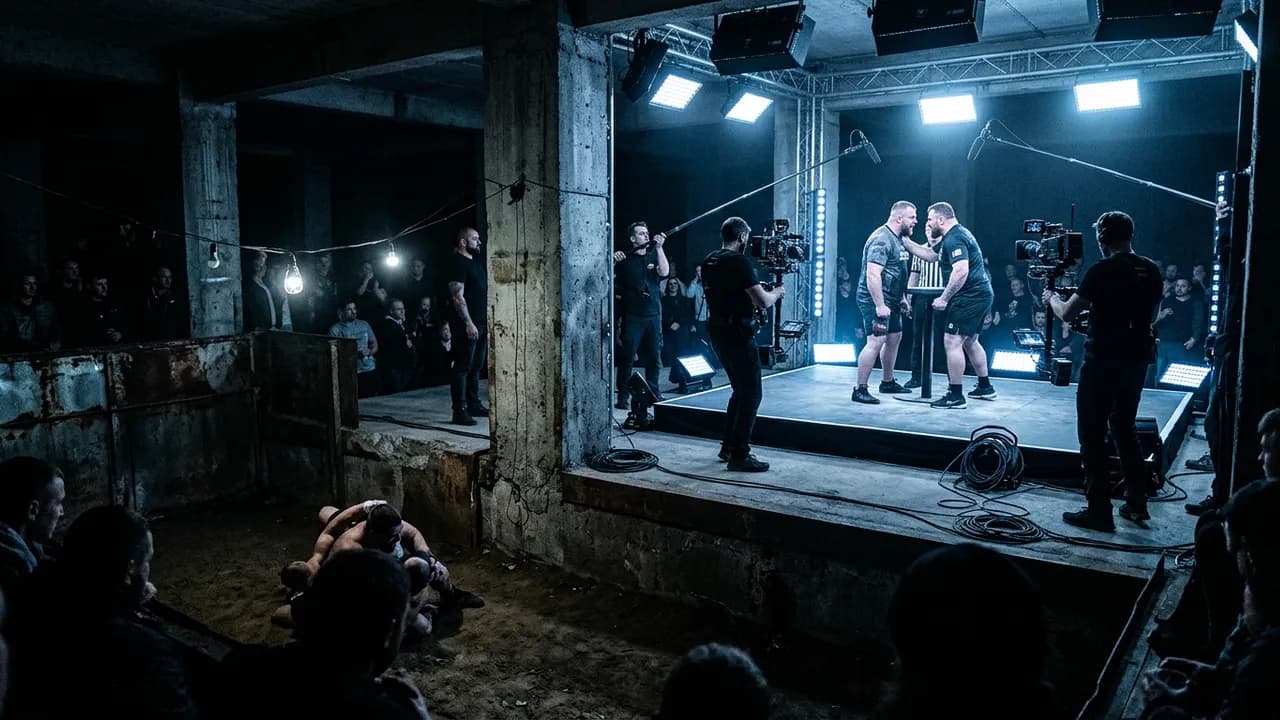
Underground fighting and slap fighting sit on opposite ends of the combat sports spectrum, yet both attract fans who crave raw, unfiltered competition. One thrives in the shadows with minimal rules. The other operates under television lights with state commission oversight. Here is everything that separates these two worlds.
For context on how underground fighting compares to fully sanctioned sports, see our underground vs sanctioned fighting breakdown.
Defining the Terms
Underground fighting encompasses any unsanctioned combat event, from backyard brawls to organized events like Streetbeefs or KOTS. Rules vary wildly. Some events have referees and basic guidelines; others are essentially street fights with an audience.
Slap fighting is a sanctioned competitive sport where athletes take turns delivering open-hand strikes. Power Slap, owned by Dana White, is the dominant promotion. Events are regulated by state athletic commissions.
Side-by-Side Comparison
| Factor | Underground Fighting | Slap Fighting |
|---|---|---|
| Legality | Gray area / illegal | Fully sanctioned |
| Rules | Varies (often minimal) | Strict turn-based format |
| Striking allowed | Punches, kicks, elbows (varies) | Open-hand slaps only |
| Grappling | Often allowed | Not allowed |
| Rounds | Varies (1-5) | 3-5 rounds of 3 exchanges |
| Referee | Sometimes | Always |
| Medical staff | Rarely | Always present |
| Drug testing | No | Commission-regulated |
| Television | YouTube / Telegram | TBS / YouTube |
| Fighter pay | $0-$5,000 typical | $2,000-$150,000 |
Danger and Injury Risk
Underground fighting carries far greater risk. Without medical oversight, ringside doctors, or standardized rules, fighters face dangers from untreated concussions to broken bones without proper care. Our injury statistics guide covers the data in detail.
Slap fighting has its own risks, particularly repeated head trauma from absorbing full-force strikes without any defensive movement. The inability to dodge, block, or clinch means every shot lands clean. Critics argue this creates a unique concussion risk not present in other combat sports.
Cultural Differences
Underground fighting culture values toughness, authenticity, and community. Events like Streetbeefs started as a way to settle disputes without guns. The culture is grassroots, often centered around working-class neighborhoods and driven by YouTube and social media.
Slap fighting culture is more entertainment-focused. Power Slap markets itself like professional wrestling meets combat sports, with characters, rivalries, and viral moments. The audience skews toward casual fans drawn in by spectacular knockout clips.
Athlete Profiles
Underground fighters come from diverse backgrounds: street fighters, amateur boxers, MMA hobbyists, and people simply looking to test themselves. Most have day jobs and fight for respect or small purses. Read about underground fighters and their day jobs for more.
Slap fighters increasingly come from athletic backgrounds. Former football players, strongmen, and even combat sports veterans have joined Power Slap's roster. The physical profile tends toward heavy, thick-necked competitors who can absorb punishment.
Fan Experience
Watching underground fighting means navigating YouTube channels, Telegram groups, and social media. Production quality ranges from smartphone footage to semi-professional multi-camera setups. The appeal is authenticity and unpredictability.
Slap fighting delivers a polished viewing experience with professional commentary, slow-motion replays, and dramatic presentation. TBS broadcasts reach millions of households. However, some combat sports purists find the format repetitive.
Path to Going Pro
Underground fighting can serve as a stepping stone to sanctioned competition. Fighters who build reputations in organizations like KOTS or Streetbeefs sometimes earn opportunities with BKFC or other promotions. See our guide on fighters who went from underground to pro.
Slap fighting offers a more direct professional path through Power Slap tryouts and contracts, though the career ceiling remains lower than traditional combat sports.
Which Is More Legitimate?
Slap fighting holds clear advantages in legitimacy: state commission oversight, medical protocols, and television contracts. However, underground fighting organizations like KOTS and Top Dog FC have built massive global audiences and increasingly professional operations.
The gap is narrowing. Many underground organizations now employ referees, enforce weight classes, and provide basic medical support. Meanwhile, slap fighting still faces skepticism from the broader combat sports community about whether it qualifies as a "real" fighting discipline.
The Bottom Line
These are fundamentally different activities that share a fan base. Underground fighting is varied, unpredictable, and raw. Slap fighting is structured, produced, and commercialized. Neither is inherently better; they serve different needs in the combat sports ecosystem.
If you value authenticity and full-spectrum combat, underground fighting delivers. If you want accessible, easy-to-follow competition with professional production, slap fighting has you covered.
Related Reading
- Power Slap vs BKFC vs Gamebred: Every Promotion Compared
- Is Power Slap Dangerous?
- The Best No-Rules Organizations Ranked
Watch and Learn More
YouTube Channels
- Power Slap -- Dana White's open-hand striking league
- BKFC Official -- Bare knuckle fighting for comparison
- Streetbeefs -- Grassroots underground fighting
Read More on UNSANCTIONED FIGHTS
- Power Slap vs BKFC -- Which is more extreme?
- BKFC Organization Profile -- The world's biggest bare knuckle promotion
- Streetbeefs Organization Profile -- The original backyard fighting platform
- Underground vs Sanctioned Fighting -- Where each format falls on the spectrum
- All Underground Fighting Organizations Ranked -- The definitive ranking
- Delvin Hamlett Fighter Profile -- Streetbeefs to Power Slap crossover story