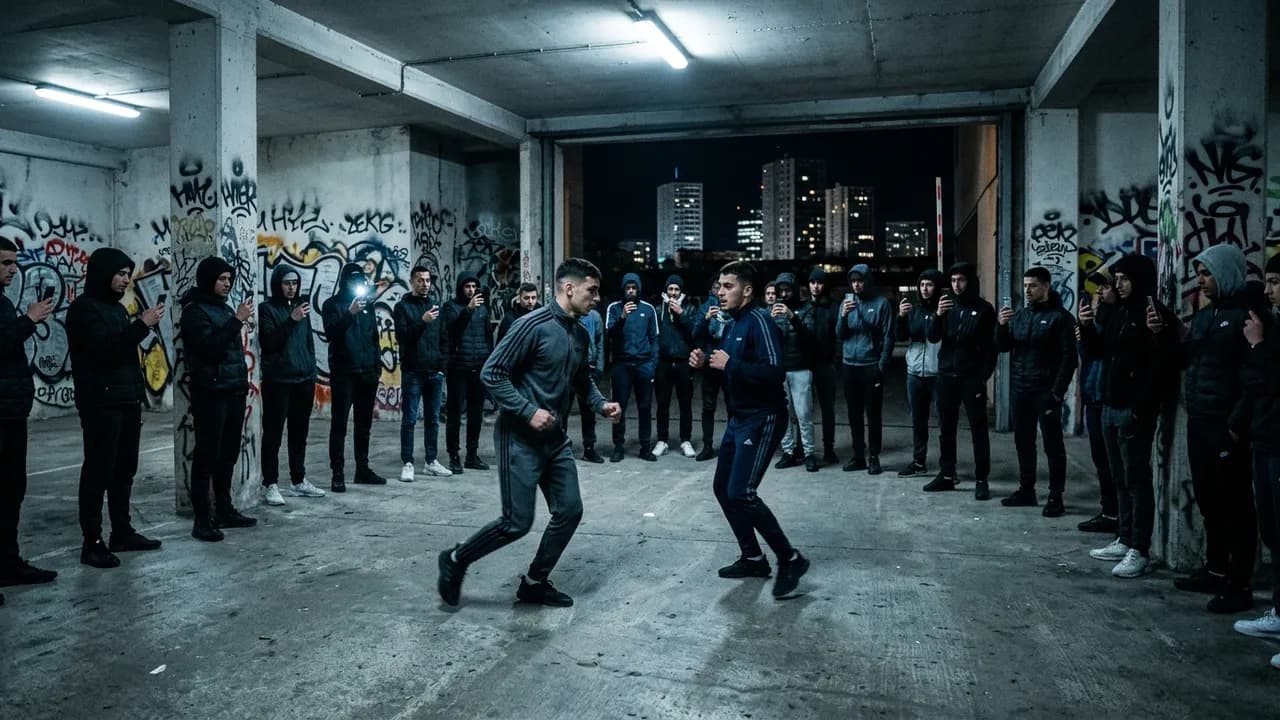
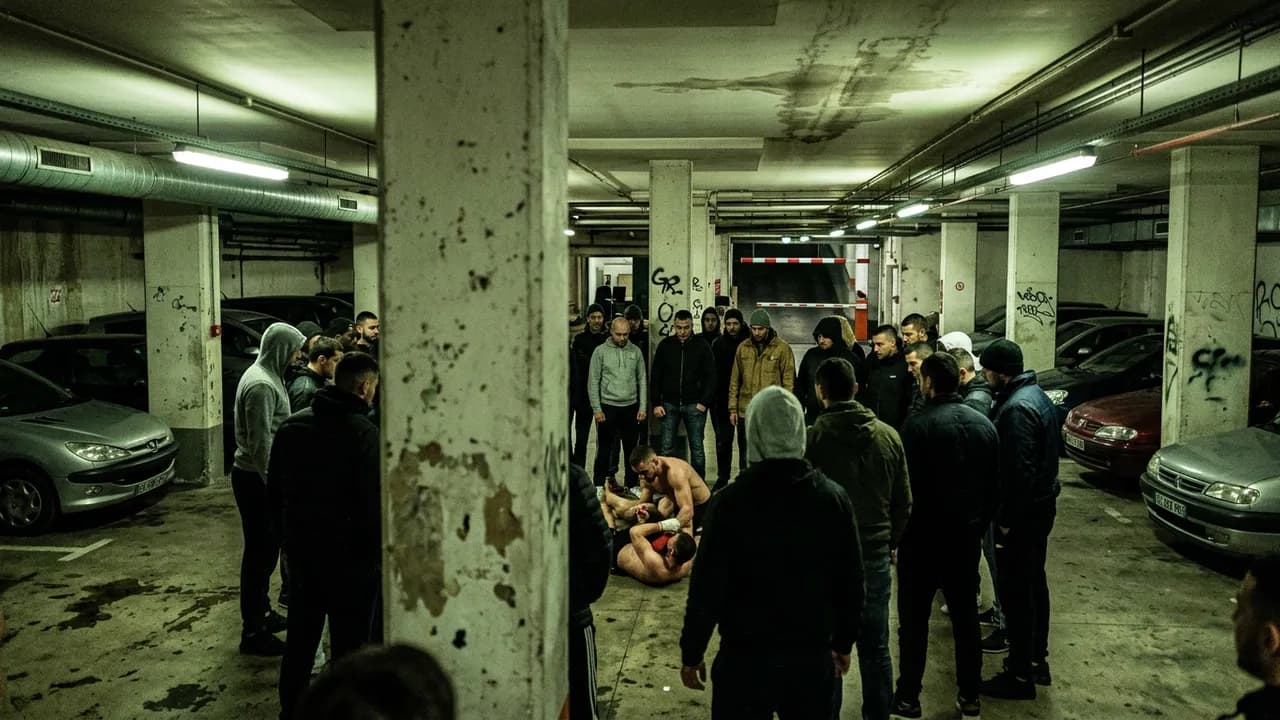
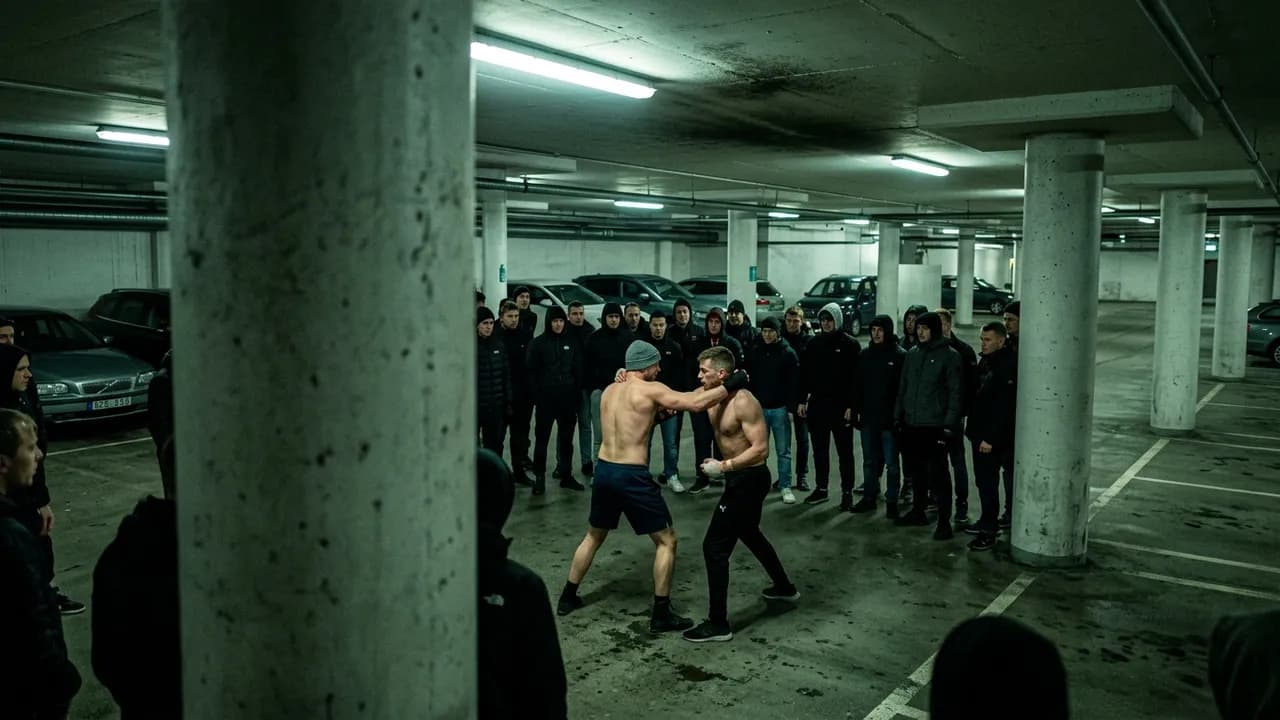
Marseille has a harder reputation than any city in France, and the underground fight culture here grows out of that reputation rather than a single named promotion. The most documented no-rules organization in the region is FPVS, based along the French Riviera to the east, whose fighters meet on concrete and in derelict buildings under no formal rules. Marseille itself supplies the cultural ground that scene stands on: a port city of working-class neighborhoods, deep combat-sports tradition, and a long history of settling things directly.
History
Marseille's combat identity is older than any modern fight club. France's oldest port has always been a working city, and its neighborhoods produced fighters the way other cities produce footballers. Boxing has deep roots here, and savate, the French kickboxing discipline that mixes punches with open-stance kicks, was shaped in the rough quarters of nineteenth-century Marseille and Paris before it was ever a sport. The city's reputation for hardness is not a recent media invention; it is centuries old.
That legitimate and semi-legitimate combat base is the context for the modern underground. As phone video and social platforms spread street-fight culture across Europe in the 2010s, France developed its own no-rules movement in parallel with the Gothenburg-born King of the Streets. The most visible French expression of it is FPVS, founded by figures known only as Leon and Victor, which stages no-rules fights on concrete and inside abandoned buildings across the French Riviera region that Marseille anchors at its western end.
Organizations
FPVS
FPVS is the documented no-rules organization closest to Marseille, operating along the French Riviera. Its format is austere: no rules, fights staged on concrete or in derelict structures, organized away from public view. It runs without weight classes, rounds, or formal oversight in the way KOTS-derived scenes do. FPVS is not headquartered in Marseille itself, and this page will not claim a Marseille branch that is not documented. It is the regional reference point, and Marseille's fighters and spectators sit inside its broader catchment.
Informal street and estate fights
Below any branded promotion, Marseille has the same layer found in hard cities everywhere: arranged fights between neighborhoods, estates, and crews, organized through word of mouth and private messaging. These are not promoted events and produce no public record. Any specific claim about named participants or fixed venues should be treated as unconfirmed.
The combat-gym overflow
Marseille's strong boxing, savate, and MMA gym culture feeds informal competition the same way it does in other fight cities. A share of the city's unsanctioned matches are simply grudge fights between trained men who never reach a licensed card.
Legal status
Unsanctioned, organized fighting is illegal in France. Professional and amateur combat sports are governed by national federations and sporting authorities, and a promoted or for-money fight held outside that system breaks the law. Organizers and participants in events that cause serious injury can face criminal liability, and French law does not treat consent as a defense for grievous bodily harm.
The honest nuance is that enforcement follows money, publicity, and injury more than the simple act of two people agreeing to fight. That is not a green light. No-rules bouts on concrete with no doctor, no insurance, and no oversight carry severe injury risk, and the legal exposure rises sharply the moment an event is promoted, ticketed, or filmed for distribution. The same framework governs the rest of the French scene, including Paris and Lyon.
Where the action is
The Marseille-area scene has no fixed address by design. FPVS-style events move between concrete lots and abandoned buildings along the Riviera corridor, communicated late and only to people already inside the network. Informal neighborhood fights follow the city's geography, clustering around the working-class quarters rather than the tourist port.
The legitimate combat scene is the visible and accessible part: Marseille's boxing clubs, savate salles, and MMA gyms are where almost every serious fighter in the region trains, and they are the social spine the underground grows from.
How to find it (and the safer route)
Access runs through trusted contacts inside the regional fight community, not through public listings. FPVS and the informal scene around it operate on secrecy; outsiders asking around get nowhere, which is the intent. There is no schedule to consult and no promoter to call.
The safer and far more reachable path is the sanctioned one. Marseille's boxing, savate, and MMA clubs give anyone who wants to compete a regulated, insured, medically supervised route. For readers drawn to the documented unsanctioned end, the regional story is best told through FPVS on the Riviera, the broader French scene anchored in Paris, and the movement's Swedish origin in Gothenburg.
FAQ
Is there an underground fight club in Marseille? No standing promotion is documented as headquartered in Marseille. The nearest documented no-rules organization is FPVS on the French Riviera, and Marseille sits inside its broader region.
Is unsanctioned fighting legal in France? No. Combat sports are governed by national federations, and promoted or for-money fights held outside that system are illegal. French law does not accept consent as a defense for serious injury.
What is Marseille's connection to combat sports? Deep. The city helped shape savate in the nineteenth century and has a long boxing tradition, and that legitimate base is the cultural ground the regional underground grows from.