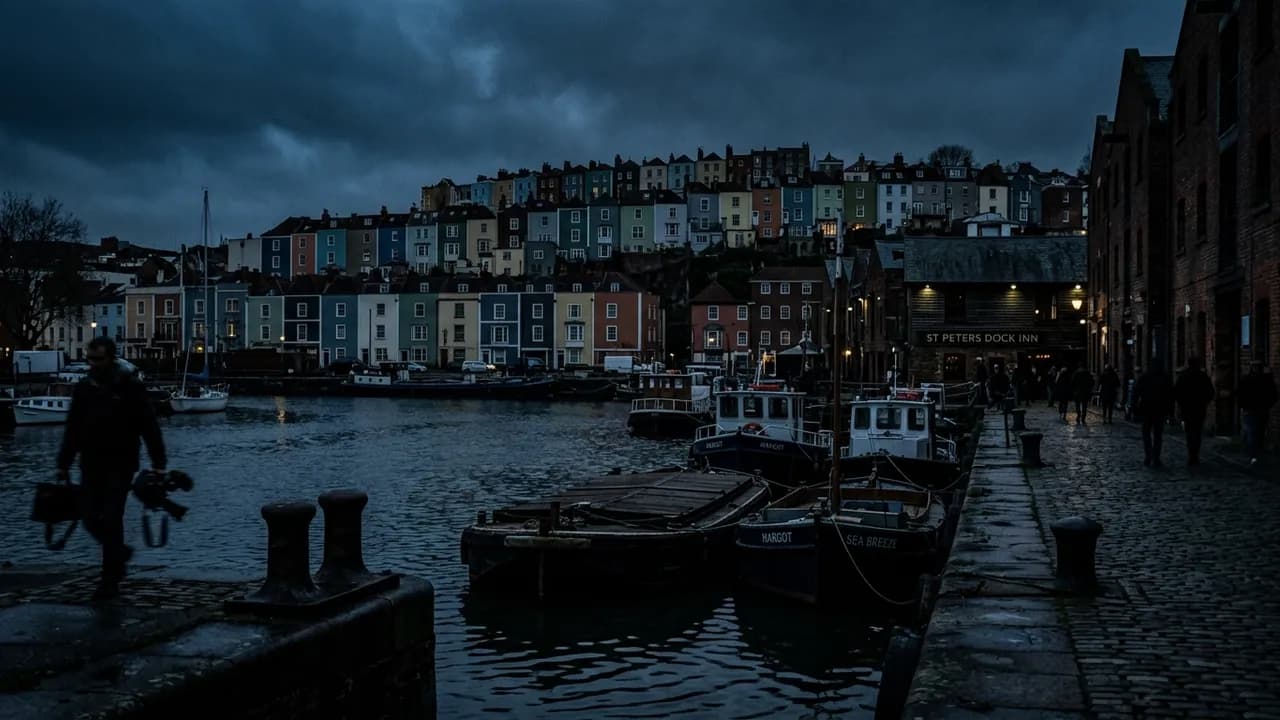
Bristol is the gateway to the West Country and one of England's most culturally distinctive cities. It is a port city with a long maritime history, a strong working-class identity in its southern and eastern neighborhoods, and a creative counterculture that has produced everything from street art to trip-hop. It is also a city with a fighting tradition that, while less celebrated than those of Manchester or Liverpool, is genuine and growing. The dockworkers of Bedminster and the communities of Knowle, Hartcliffe, and Lawrence Hill have maintained a physical culture that finds expression in boxing gyms, MMA facilities, and the informal fighting events that take place in the gaps between sanctioned competition.
Bristol's fight scene is in a growth phase. The city's expanding MMA community, its active boxing clubs, and its position as the largest city in the South West make it a natural hub for combat sports in a region that has historically been underserved by the fight world.
History
Bristol's fighting traditions are maritime in origin. The port that connected England to its transatlantic trade routes brought a rough, physical culture to the city's waterfront neighborhoods. Sailors, dockers, and the laborers who serviced Bristol's maritime economy were practical fighters, and the pubs and boarding houses of the old port district were sites of frequent physical confrontation.
The boxing tradition in Bristol developed through community clubs that served the working-class neighborhoods south of the river. These clubs produced fighters who competed at regional and national levels, contributing to a fighting heritage that extends back to the Victorian era. The Bristol and District Amateur Boxing Association organized competitions that provided structure and competitive opportunities for local fighters.
The MMA revolution reached Bristol in the 2000s, and the city responded with enthusiasm. Gyms opened across the metropolitan area, offering training in Brazilian jiu-jitsu, muay thai, wrestling, and mixed martial arts. The growth of MMA diversified Bristol's fighting culture beyond its boxing roots, introducing new disciplines and new competitive opportunities. Regional MMA promotions began staging events in the city, drawing fighters from across the South West and providing platforms for Bristol's growing combat sports community.
Organizations
MMA Gyms and Promotions
Bristol's MMA community is centered on a network of gyms that train fighters for amateur and professional competition. Facilities in the city center, South Bristol, and the surrounding areas offer training across disciplines, and the level of coaching has improved as the sport has matured. Regional MMA promotions stage events in Bristol that attract fighters from across the West Country and beyond.
The growth of MMA in Bristol reflects a broader national trend, but it has been particularly pronounced in the South West, where the sport filled a gap left by the relative decline of boxing in the region. For a generation of young fighters, MMA gyms are the primary entry point into combat sports, replacing the boxing clubs that served previous generations.
Boxing Clubs
Bristol's boxing clubs continue to operate and to produce fighters. Amateur boxing in the city is governed by England Boxing, and regular competitions provide competitive pathways for fighters at all levels. The clubs serve community functions that extend beyond sport, providing mentorship and structure for young people in neighborhoods where such resources are valuable.
The Informal Scene
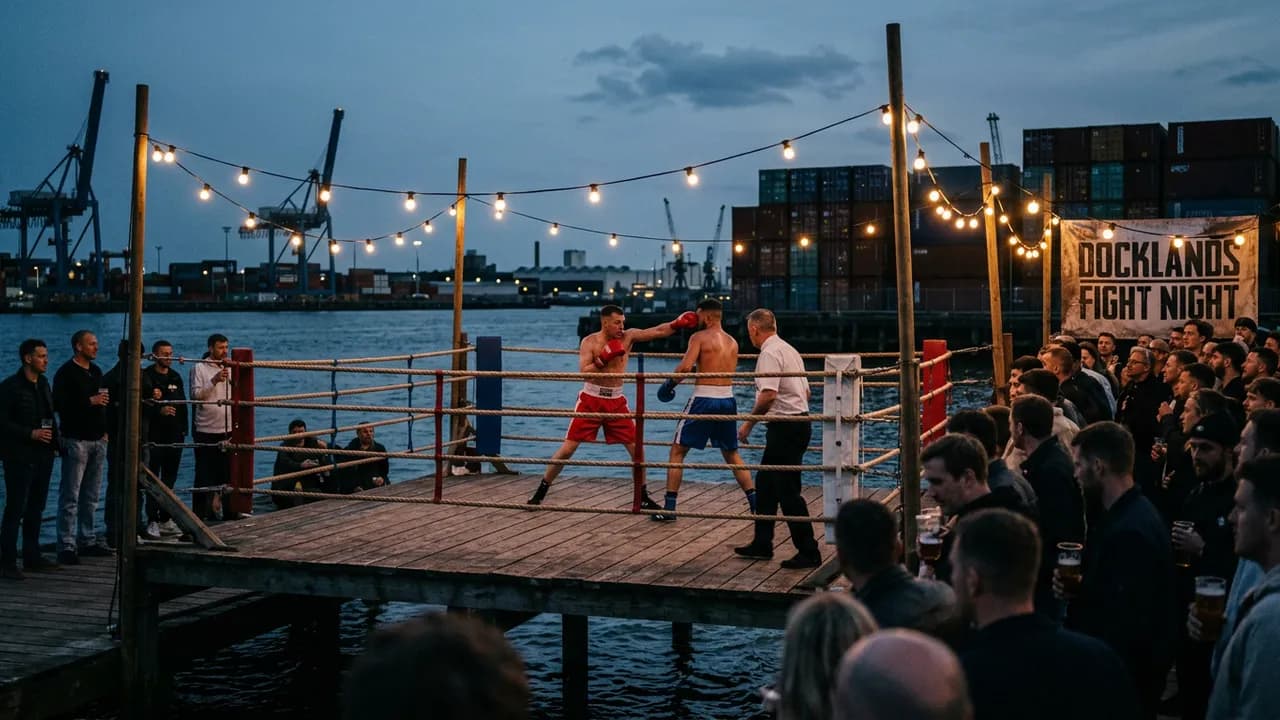
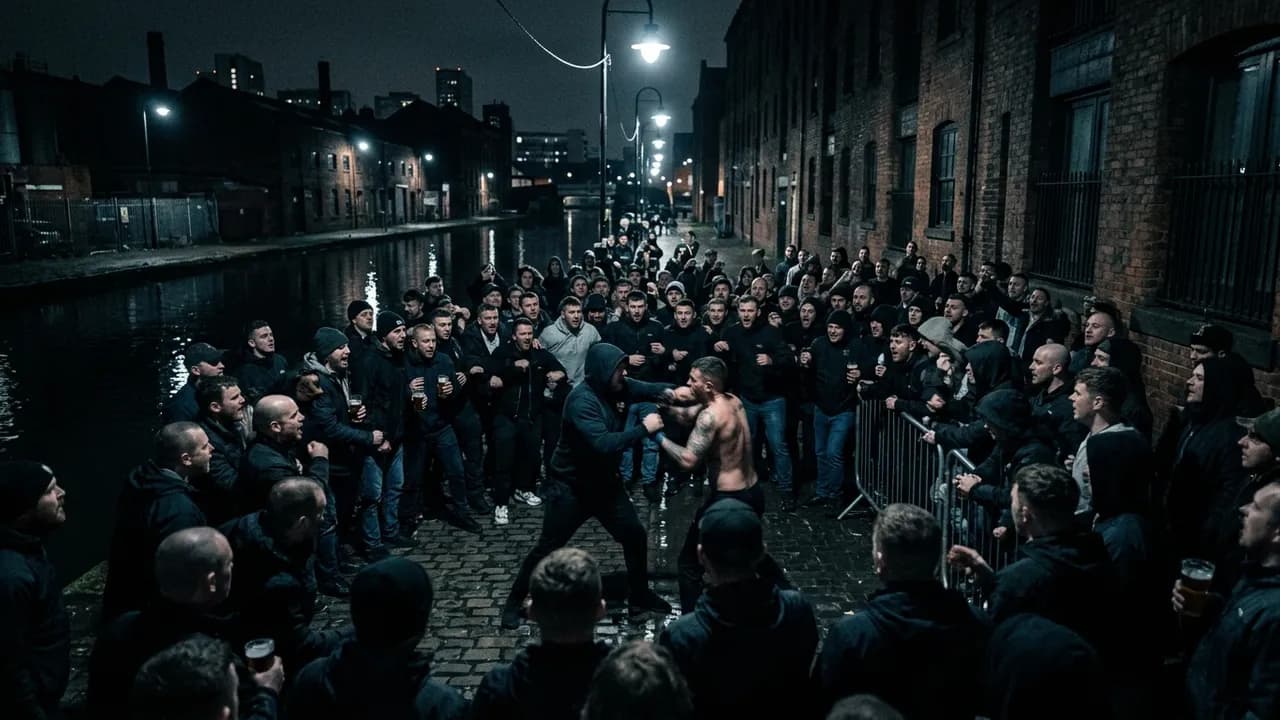
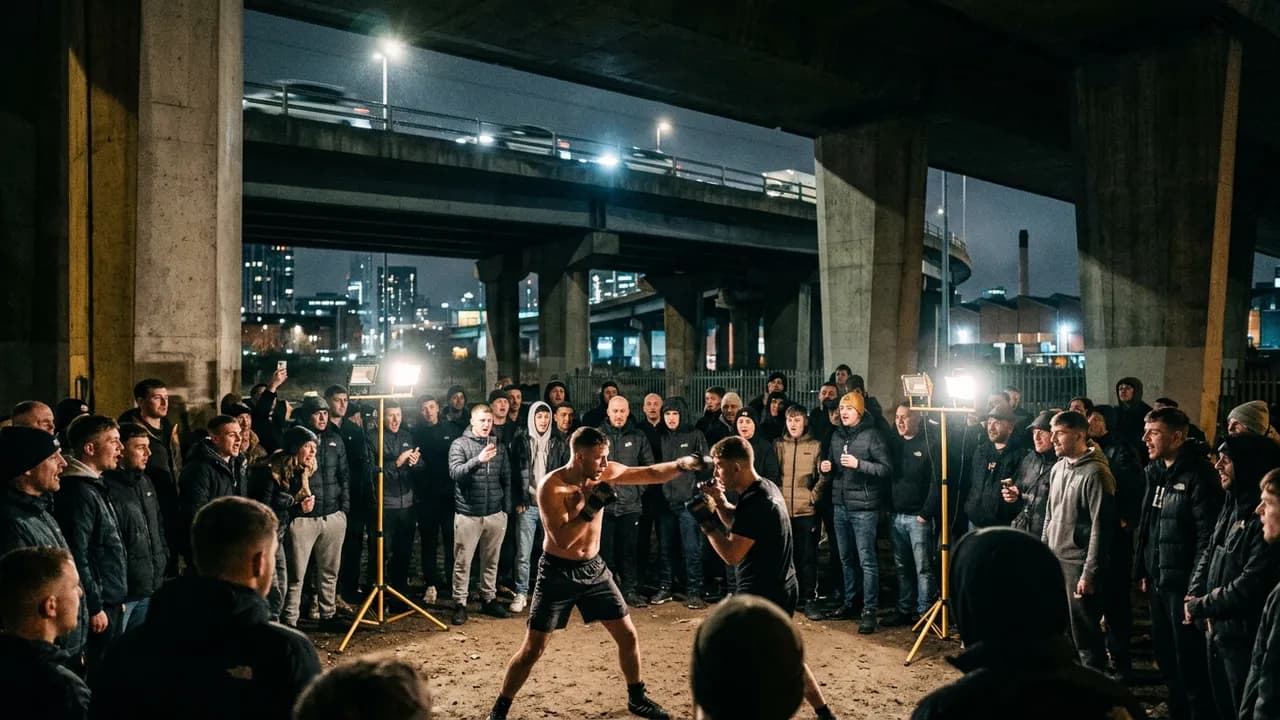
Bristol's informal fighting scene is smaller and less visible than those in the major Northern English cities, but it exists. Social media documents fights that take place in parks, car parks, and private venues across the city. The format varies, reflecting the diversity of Bristol's fighting culture -- some events are boxing-focused, others incorporate MMA techniques, and some are essentially unstructured encounters that follow no particular ruleset.
The counterculture that defines Bristol's creative scene intersects with the fighting world in unexpected ways. The same DIY ethos that produced Banksy and Massive Attack has produced informal fighting events that combine combat with the aesthetic sensibilities of Bristol's alternative culture.
Notable Fighters
Bristol has produced fighters who have competed at regional and national levels in both boxing and MMA. The city's MMA gyms have developed fighters who have appeared on national cards, and the amateur boxing programs continue to produce competitive athletes.
The underground scene's notable figures are known within Bristol's fighting community rather than on the national stage. As the scene grows and as social media amplifies local content, the emergence of Bristol-specific fighting personalities is likely.
Legal Status
Combat sports in England are regulated by national bodies, with professional boxing under the British Boxing Board of Control and amateur boxing under England Boxing. MMA events are sanctioned by various bodies depending on the promotion. The regulatory framework is the same in Bristol as elsewhere in England.
Unsanctioned fighting carries legal risks under English assault law. Avon and Somerset Police have the authority to intervene in informal fighting events, and participants can face charges. In practice, the enforcement approach depends on the scale and visibility of events, and the informal scene in Bristol operates with a degree of practical tolerance.
How to Get Involved
Bristol's combat sports scene is accessible and welcoming. The city's MMA gyms offer introductory programs for beginners, and the boxing clubs accept newcomers of all backgrounds and experience levels. England Boxing-sanctioned amateur competitions provide structured competitive opportunities, and the regional MMA circuit offers regular events.
The city's fighting community is relatively compact, and building connections through gym networks is straightforward. Training at a Bristol facility and demonstrating commitment is the most reliable path to both sanctioned and informal competition opportunities.
Related Cities
- London -- UK fight capital, accessible from Bristol by train
- Birmingham -- Midlands bare knuckle scene, the closest major fight city
- Manchester -- Northern England fight hub and home to KOTR
- Leeds -- Northern England scene with similar boxing club traditions