Leeds is the largest city in Yorkshire, the largest county in England, and it carries the weight of that geography in its fighting culture. Yorkshire people are famous across Britain for their bluntness, their stubbornness, and their deep conviction that toughness is a virtue rather than a personality flaw. "See all, hear all, say nowt" goes the old Yorkshire saying, and the fighting culture that runs through the county's cities and mill towns embodies that ethos -- less talk, more action. Leeds is where this tradition concentrates, a city where the old industries may have gone but the hardness they forged has not.
The underground fighting scene in Leeds is connected to the broader Northern England network that links Manchester, Liverpool, and the industrial towns in between. It is not the largest scene in the UK, but it is authentic, sustained by a population that takes boxing seriously and by a culture that respects physical courage in a way that the softer south does not always understand.
History
Yorkshire's fighting traditions are industrial in origin. The woollen mills, coal mines, and engineering works that powered the county's economy for two centuries created communities where physical labor was the norm and physical toughness was a precondition for survival. Boxing clubs sprang up in the mill towns and mining villages, serving as recreation for workers and as development programs for young men who needed an outlet for the aggression that their environments produced.
Leeds, as Yorkshire's largest city, served as the hub of this tradition. The city's boxing clubs produced fighters who competed at regional and national levels, and the amateur boxing scene in West Yorkshire has been consistently productive. The Leeds Ex-Boxers Association and similar organizations maintain the connection between the city's boxing past and its present, ensuring that the tradition is transmitted to new generations.
The bare knuckle tradition in Yorkshire has its own history, connected to the fairground boxing booths that toured the county and to the informal fighting that took place in the industrial communities. This tradition has found new expression in the organized bare knuckle scene, with Yorkshire fighters competing on BKB cards and in informal events across the North.
Organizations
BKB Presence
BKB has drawn fighters from the Leeds and West Yorkshire area for events across the UK. The promotion's bare knuckle format resonates with Yorkshire's fighting traditions, and fighters from the region bring the toughness and boxing skill that their background demands. Leeds is a natural recruiting ground for bare knuckle promotions, given the depth of boxing talent in the area and the cultural appetite for raw combat.
Boxing Clubs
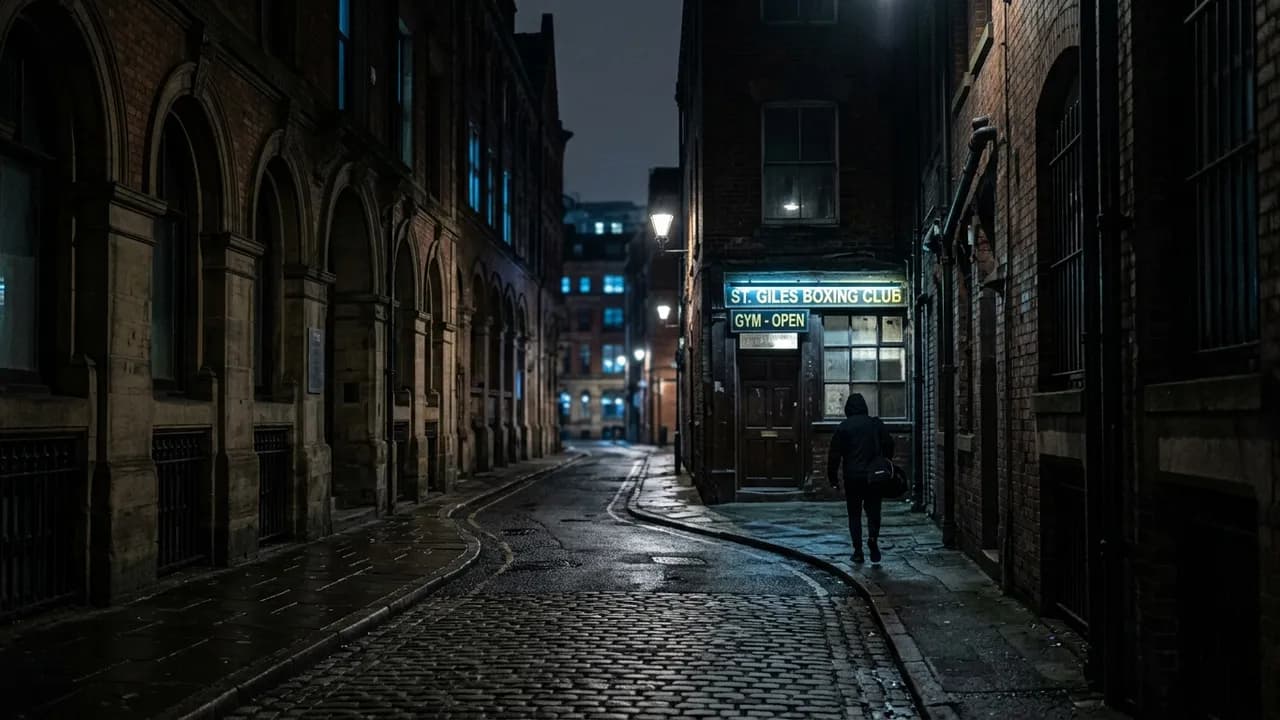
Leeds is home to a network of boxing clubs that serve communities across the city. Clubs like Burmantofts ABC, East Leeds ABC, and Harehills ABC provide training and competitive opportunities for fighters of all ages and abilities. These clubs are the backbone of Leeds's fighting culture, producing amateur boxers who compete at regional and national levels and providing the technical foundation that underlies the informal fighting scene.
The gyms serve community functions that extend beyond boxing. In neighborhoods like Harehills, Beeston, and East End Park, boxing clubs provide structure and mentorship for young people in areas where social services are stretched thin. The tradition of boxing as community service is deeply rooted in Yorkshire, and Leeds's clubs carry that tradition forward.
The Informal Scene
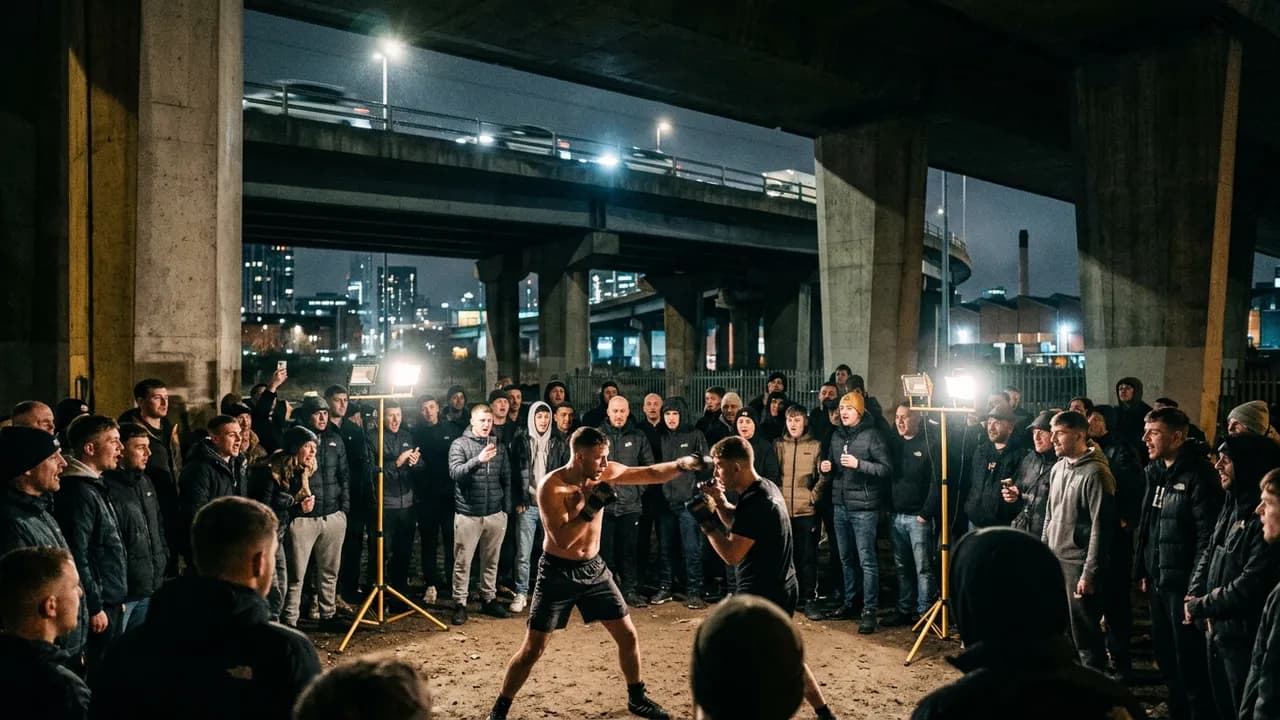
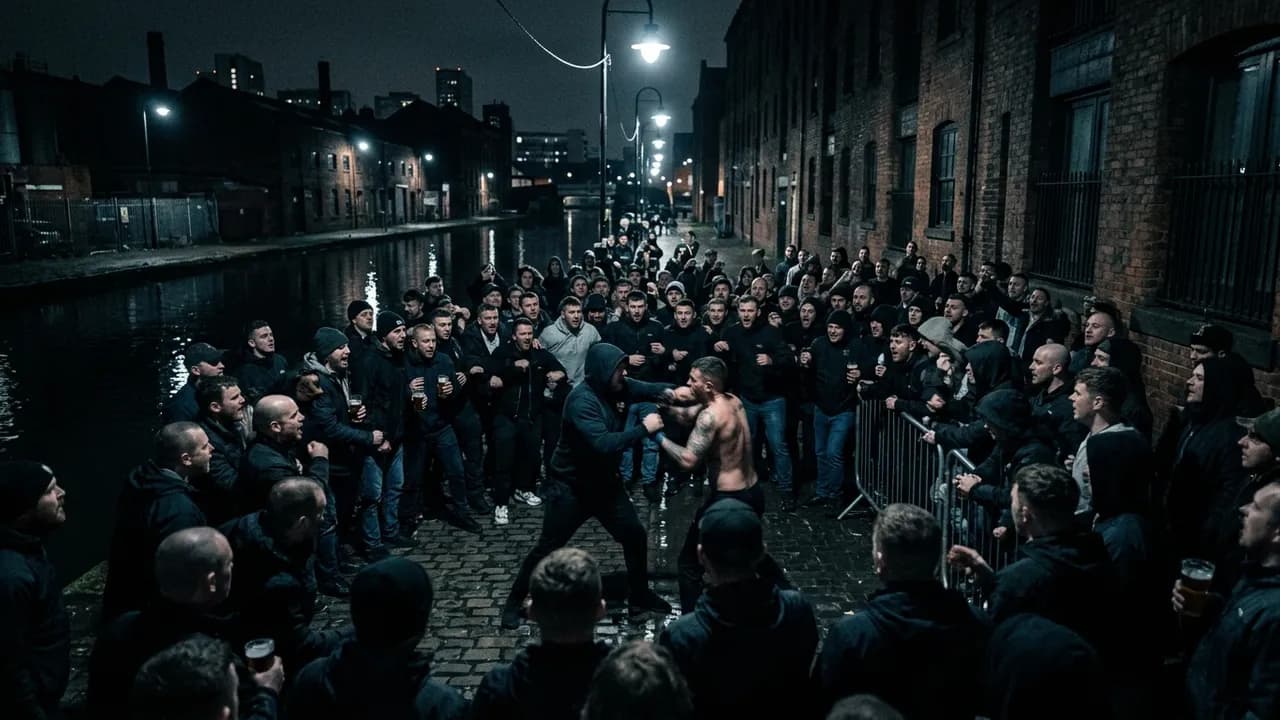
Leeds's informal fighting scene operates through networks that connect fighters across West Yorkshire. Events take place in venues that range from pub car parks to industrial units, with varying levels of organization and oversight. The scene is connected to the broader Northern England underground circuit, with fighters traveling between Leeds, Manchester, Liverpool, and the smaller towns that dot the landscape between them.
Notable Fighters
Leeds and West Yorkshire have produced professional boxers who have competed at British and European level. The city's amateur boxing programs continue to develop fighters who represent Yorkshire and England in national and international competition. Josh Warrington, who held the IBF featherweight title, is the most prominent modern fighter associated with Leeds and has galvanized the city's boxing community.
The underground scene's fighters are known within the Yorkshire fighting community -- through the gyms, the pub networks, and the informal competitions that link fighters across the county.
Legal Status
Combat sports regulation in England applies uniformly across the country. Professional boxing is regulated by the British Boxing Board of Control, amateur boxing by England Boxing, and MMA by various sanctioning bodies. Bare knuckle events operate under their own regulatory frameworks, with the legal status continuing to evolve.
Unsanctioned fighting in Leeds carries the standard legal risks under English law. West Yorkshire Police have intervened in organized informal fighting events, and assault charges can apply to participants. However, enforcement is inconsistent, and the informal fighting scene in Leeds operates with the same degree of practical tolerance that characterizes most Northern English cities.
How to Get Involved
Leeds's boxing clubs are the natural entry point. The city's amateur boxing scene is strong, and the clubs welcome newcomers regardless of experience. England Boxing-sanctioned competitions provide a structured competitive pathway, and the quality of coaching in West Yorkshire is high.
MMA and martial arts training is available across Leeds, with gyms offering programs in Brazilian jiu-jitsu, muay thai, wrestling, and mixed martial arts. The combat sports scene is growing, and opportunities for competition at the amateur and professional levels are increasing.
The informal fighting scene is accessible through the gym networks and community connections that define Leeds's fighting culture. Building relationships within the boxing clubs is the most reliable path to the underground events that operate beneath the sanctioned surface.
Related Cities
- Manchester -- Northern England's fight hub and home to KOTR
- Liverpool -- Fellow Northern city with deep boxing traditions
- Birmingham -- Midlands bare knuckle heartland
- London -- UK fight capital and the destination for fighters seeking the biggest stages