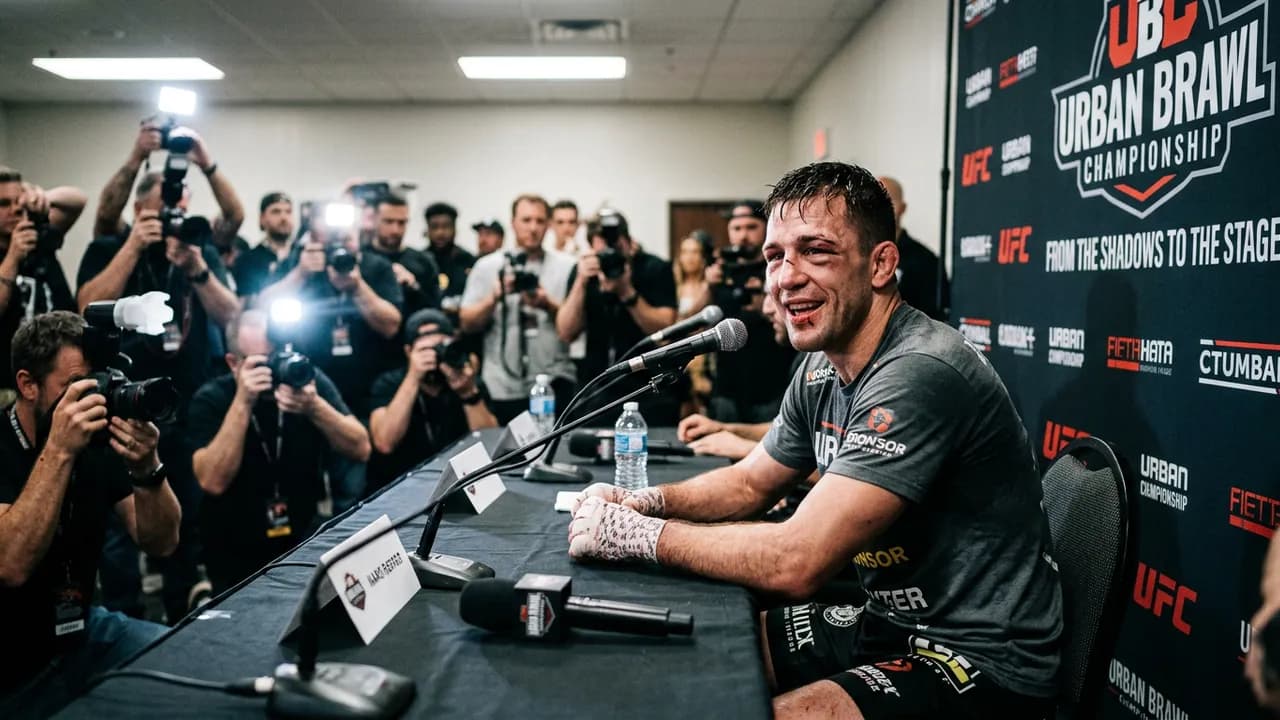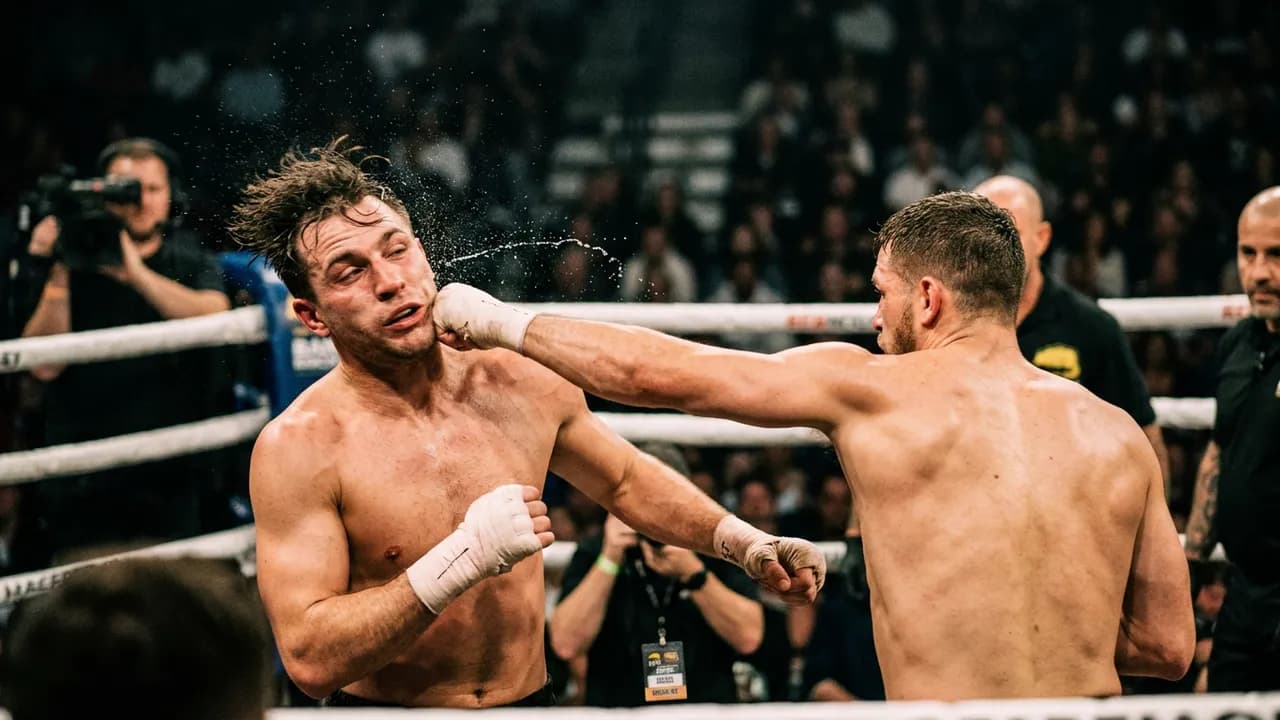
In a 22-day stretch of July 2026, Bare Knuckle Fighting Championship staged events on three continents: BKFC Liberty Brawl at Philadelphia's Xfinity Mobile Arena on July 3, BKFC 91 at the Arena Flegrea in Naples, Italy on July 18, and BKFC Fight Night Uruguay in Montevideo on July 25. No promotion in bare-knuckle history has moved that fast across that much geography in a single month, and the run is a clean snapshot of how quickly the sport is globalizing in 2026.
Eight years after David Feldman ran the first sanctioned card in 2018, BKFC has grown from a single American promotion arguing with athletic commissions into an operation that treats Europe and South America as home markets rather than tour stops.
The Homecoming: Liberty Brawl, Philadelphia
BKFC opened the month where it started. The promotion was founded in Philadelphia, and the July 3 Liberty Brawl card at the Xfinity Mobile Arena put a major event in the city that gave the sport its first commission approval. For a promotion that spent its early years being told bare-knuckle fighting could not be sanctioned in the United States, headlining a downtown arena in its birth city is a marker of how far the legal ground has shifted.
The American date anchors the month. It is the market where BKFC's regulatory credibility, pay-per-view base, and roster depth are strongest — the platform the international cards are built on top of.
The European Beachhead: BKFC 91, Naples
Fifteen days later the promotion was in southern Italy. BKFC 91 at the Arena Flegrea in Naples continued a European push that has become central to the company's growth, following its expansion into the United Kingdom and a broader footprint that now reaches across the continent. Italy is not a legacy combat-sports television market on the scale of the UK, which makes the Naples date a genuine expansion play rather than a safe return to friendly territory.
Europe matters to BKFC for a structural reason: bare knuckle reads as heritage there, not novelty. The sport's bareknuckle-boxing lineage is older in Britain and Ireland than the gloved version, and continental audiences have proven willing to travel for hard combat sports. Planting a numbered card — BKFC 91, not a one-off exhibition — in Naples signals the promotion intends to keep coming back.
The New Frontier: Fight Night Uruguay
The month closed on July 25 in Montevideo with BKFC Fight Night Uruguay. South America is the newest of the three regions for the promotion, and Uruguay is a deliberate entry point: a stable, combat-sports-literate market that gives BKFC a base to build a regional roster and a Spanish-language audience from. It is the clearest evidence in the July run that the promotion is chasing genuinely new territory, not just servicing established ones.
Why the Compression Matters
Running three continents in three weeks is not only about reach — it is about infrastructure. Each of these cards requires local sanctioning or a workable legal framework, a regional talent pool deep enough to fill an undercard, and a broadcast pipeline to carry it. Doing all three inside a month means BKFC now has that machinery standing in multiple regions at once, rather than assembling it fresh for each event.
That operational maturity is what separates a globalizing promotion from a touring one. It also feeds directly into the promotion's larger 2026 ambitions. The same international roster BKFC is building card by card is the talent pool a bracket tournament draws from — the logic behind both the $25 million World's Baddest Man concept and the FOX Nation series built around it. A tournament billed as crowning the world's baddest man needs fighters from more than one country to make the title mean anything. July's three-continent run is where those fighters come from.
The Bigger Picture
BKFC's stated reach now spans dozens of countries, a scale we cover in our report on the promotion's push toward 60-plus markets. A single month rarely captures a strategy this cleanly, but July 2026 did: a homecoming in Philadelphia, a beachhead in Naples, and a frontier date in Montevideo, stacked 22 days apart.
The sport that spent a decade proving it could be legal in one American state is now proving it can run anywhere. The calendar is the argument.