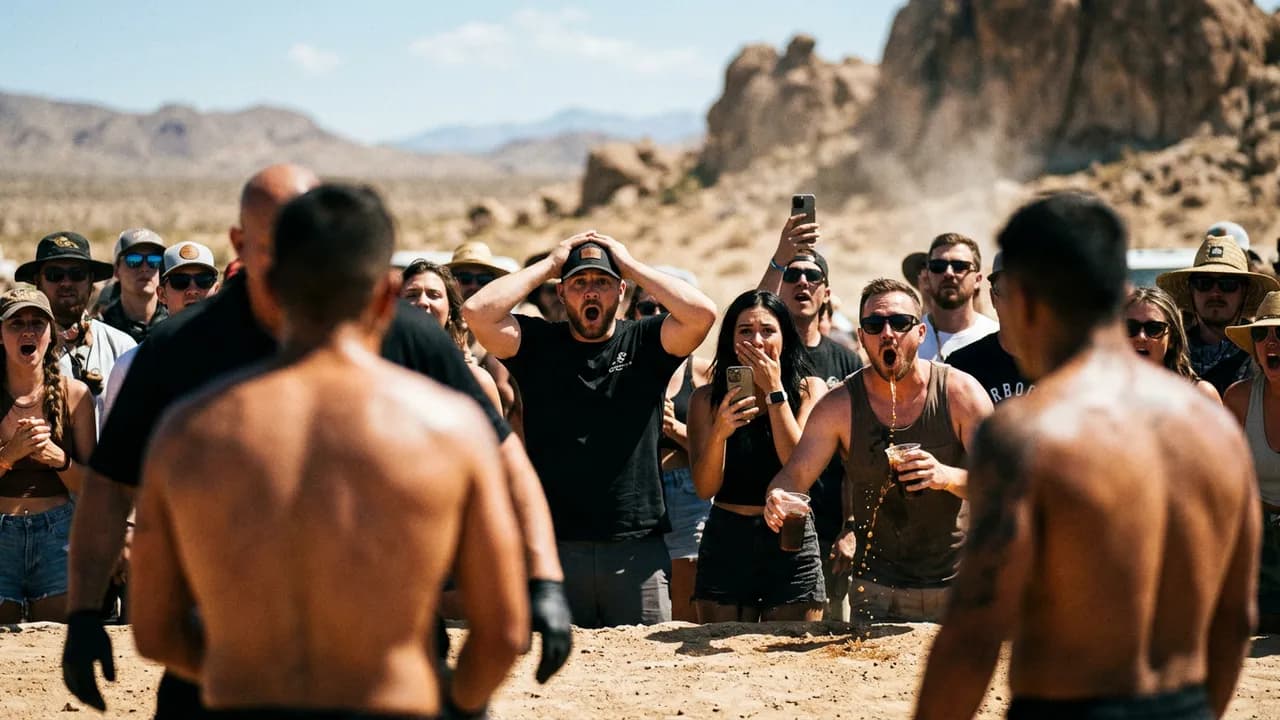
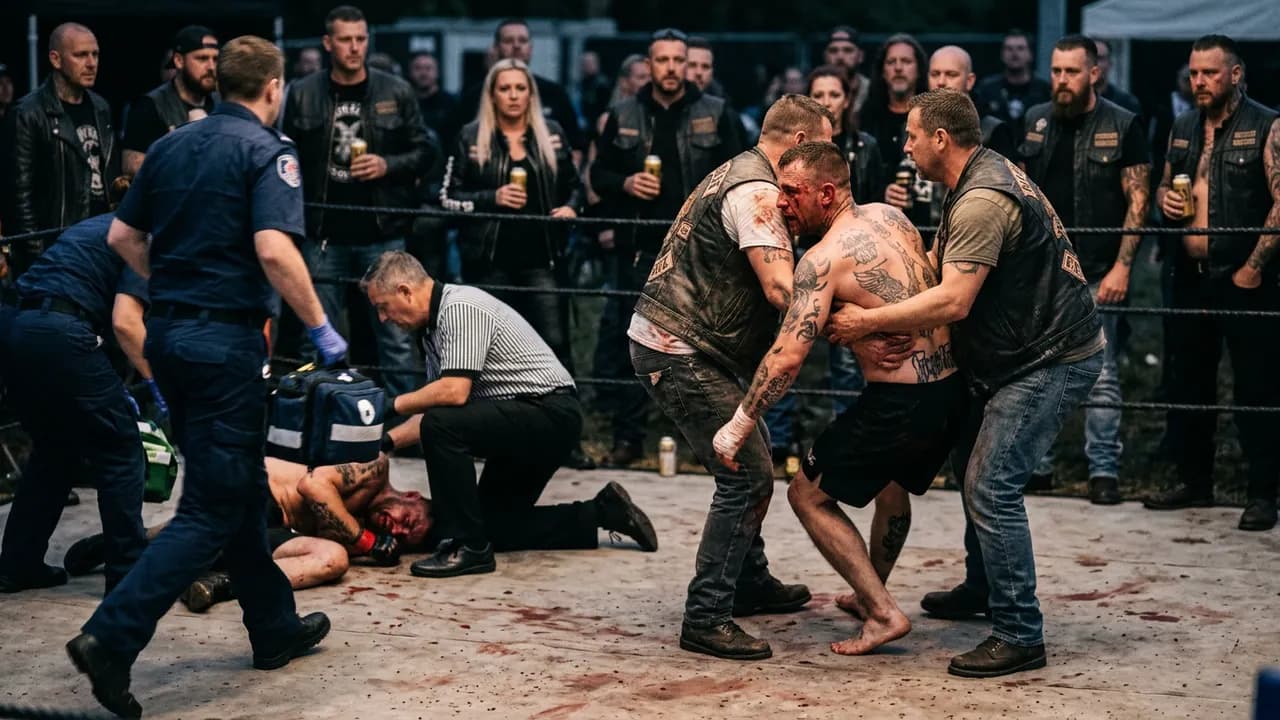
Felony Fights was never a sanctioned promotion with a ranked roster. It emerged around 2005 as a shock-content DVD series founded by Shad Smith, built on no-rules bouts that recruited convicted-felon participants. There is no commission record, no verified win-loss data, and no published fighter list to rank. Treating it like a sports league would be both inaccurate and irresponsible. This article documents the notable roles in the Felony Fights phenomenon, with the weight the subject demands and without glorifying the violence that defined it.
How This List Was Built — and Why It Is a List of Roles
Because Felony Fights has no verifiable public roster, naming specific "best fighters" would mean inventing records, and inventing records about real people identified by criminal history is exactly what this site refuses to do. So this is a list of documented roles and recurring archetypes, ranked by how central each was to what Felony Fights actually was. Every participant is described in plain text. No individual fighter profiles are linked, and none are fabricated. The ranking criteria are: centrality to the format, documentation in the public record, and significance to how the series is remembered.
A responsible read of Felony Fights treats it as a cautionary chapter in unsanctioned-fighting history, not a highlight reel. For verified background, see the Felony Fights organization profile.
Why this page refuses to glorify
It would be easy to write Felony Fights as a list of "toughest guys," because that is the frame the original DVDs sold. This page deliberately does not. The series filmed real people — many recruited specifically because they were convicted felons — in bouts with no rules, no weight matching, no medical staff, and no aftercare. Presenting that as a sport, or ranking the participants as if they were athletes, would launder a product built on exploitation into something it never was. The responsible approach is to document what the series was, who built it, and why it sits at the edge of what unsanctioned fighting has produced, then leave the glorification on the shelf where the DVDs belong.
1. The Founder-Producer (Shad Smith)
The most documented figure tied to Felony Fights is its founder, Shad Smith. He is notable not as a ranked fighter but as the producer who built the series and its premise: filming no-rules bouts and packaging them as shock-content DVDs in the mid-2000s. Understanding Felony Fights starts with understanding that it was a media product first. The founder's choices — the recruiting angle, the uncut presentation, the DVD distribution model — define the series far more than any single bout did.
2. The Recruited Ex-Convict Participant
The defining and most troubling element of Felony Fights was its recruitment of convicted felons as participants. As a group, these participants are the reason the series drew attention and the reason it remains controversial. They are notable collectively, not individually, and naming or ranking them as "champions" would misrepresent what was happening: vulnerable people filmed for shock value. This list acknowledges their central role while declining to celebrate it.
3. The Street-Challenge Opponent
Felony Fights leaned heavily on a street-challenge framing — confrontations staged or filmed outside any controlled environment, with no medical oversight and no rules. The opponents in those segments form a second archetype. Their significance is that they illustrate the format's complete absence of safety structure, which is the single most important fact for anyone studying the series. There is no honest way to rank them by skill; they are documented only as part of an unregulated spectacle.
4. The One-Appearance Subject
A large share of Felony Fights footage featured people who appear once and are never documented again. This transience is itself notable. Unlike an organized promotion that builds recurring names, the series cycled through subjects, which is consistent with a shock-media product rather than a sport. The one-appearance subject is the clearest evidence that Felony Fights was not building fighters or careers.
5. The Bystander-Camera Role
Shock media depends as much on the framing as the fighting, and Felony Fights leaned on a handheld, uncut, "you are watching something you shouldn't" presentation. The unseen people behind the camera — the ones choosing what to film and how to package it — shaped the product as much as anyone who threw a punch. Acknowledging this role matters because it locates the series correctly: as content production aimed at viewers, not a contest organized for competitors. The camera, not the cage, was the point.
6. The Era Itself
The fifth "notable name" on this list is not a person but the period. The mid-2000s shock-DVD era produced a wave of uncut, no-oversight fight media that has since fallen out of distribution and out of legal and cultural acceptance. Felony Fights is best remembered as a product of that moment — and as a reason modern unsanctioned promotions, even rough ones, generally adopted at least some structure afterward.
How Felony Fights Compares
Felony Fights sits at the most extreme, least-defensible end of the underground spectrum. Even other unsanctioned promotions had more structure: the Underground Combat League ran invite-only Vale Tudo with at least a competitive framing, and clubs like the East Bay Rats relied on willing volunteers in a community setting. Compared to the ranked, edited products behind the best KOTS fighters of all time, Felony Fights had no sport, no ranking, and no safety floor. That contrast is the point.
FAQ
Does Felony Fights have an official fighter ranking?
No. It was a shock-content DVD series, not a sanctioned promotion. There is no commission, no verified roster, and no win-loss records to rank.
Who founded Felony Fights?
Shad Smith founded the series around 2005 in the United States. It is documented as a media product built on no-rules bouts featuring convicted-felon participants.
Why doesn't this list name specific champions?
Because no verifiable roster exists, naming "champions" would require fabricating records about real people identified by their criminal history. This site does not do that. The list documents roles, not invented stats.
Is Felony Fights still active?
The series is best understood as a product of the mid-2000s shock-DVD era, which has since fallen out of distribution and acceptance. It is treated here as a historical, cautionary chapter rather than a current promotion.