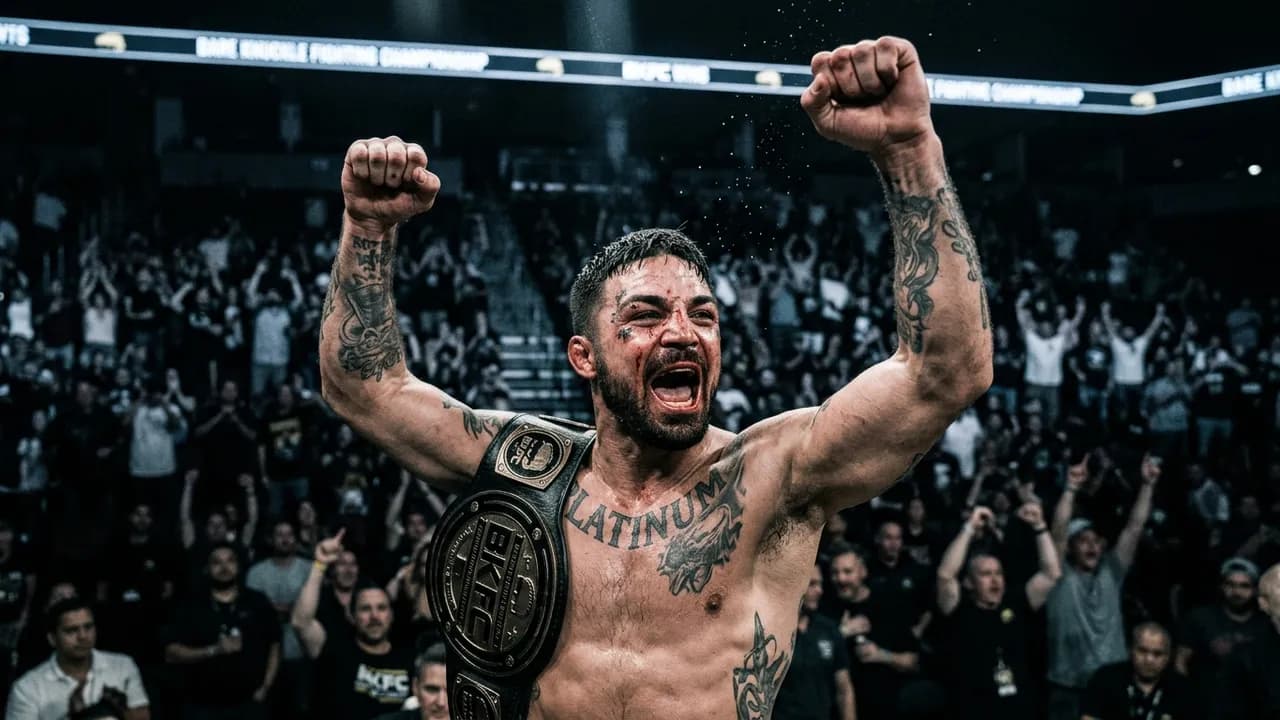
Why UFC Fighters Are Switching to Bare Knuckle: Money, Freedom & Second Careers
The pipeline from the UFC to bare knuckle fighting has become one of the most significant talent movements in combat sports history. What began as a trickle of released fighters looking for a paycheck has turned into a deliberate career choice for athletes at every level of MMA. The question is no longer whether UFC fighters will cross over -- it is why so many are choosing to.
The Economics of Switching
UFC Pay vs. BKFC Pay
The numbers tell a story that no amount of brand prestige can counter. Mike Perry earned approximately $1.3 million across 15 UFC fights over five years. In a single night headlining KnuckleMania, he earned $1.1 million. That is not an anomaly -- it is the new math driving fighter decisions.
| Fighter | UFC Career Earnings | BKFC Earnings (Est.) | Fights Compared |
|---|---|---|---|
| Mike Perry | $1.3M (15 fights) | $3M+ (6 fights) | 15 vs 6 |
| Paige VanZant | $1.2M (12 fights) | $2M+ (4 fights) | 12 vs 4 |
| Alan Belcher | $400K (16 fights) | $500K+ (4 fights) | 16 vs 4 |
| Eddie Alvarez | $4M+ (UFC) | $1M+ (2 fights) | Career vs 2 |
Why the Pay Gap Exists
BKFC's fighter equity program and willingness to share revenue with headliners creates a fundamentally different economic model. The UFC pays approximately 16-18% of revenue to fighters. BKFC's percentage is estimated to be significantly higher, particularly for marquee names.
The economics extend beyond fight purses:
- No exclusive apparel deals restricting personal sponsorships
- Greater freedom to monetize personal brands
- Shorter training camps reducing overhead costs
- Less travel with regional event scheduling
- Equity stakes giving fighters ownership upside
Freedom and Autonomy
The UFC's Restrictive Model
UFC contracts are among the most restrictive in professional sports. Fighters cannot compete elsewhere, face limitations on sponsorships, must adhere to strict media obligations, and operate under a ranking system that controls their career trajectory. The UFC's exclusive negotiating windows and matching clauses make it difficult for fighters to test their market value.
BKFC's Open Approach
BKFC offers fighters something the UFC never has: agency. Fighters can negotiate sponsorship deals without promotional approval. They can maintain OnlyFans accounts and other alternative revenue streams. They can fight more frequently if they choose. And critically, BKFC has shown willingness to co-promote with organizations like Rizin, giving fighters international opportunities.
The Second Career Pipeline
Who Is Making the Switch
The UFC-to-bare-knuckle pipeline includes several distinct categories:
Released Veterans: Fighters cut from the UFC roster who still have competitive years left. These athletes bring name recognition and proven skills to BKFC's growing roster.
Contract Expirations: Fighters who choose not to re-sign with the UFC, recognizing they can earn more per fight in bare knuckle. This category has grown significantly since 2023.
Active Stars: The most disruptive category -- fighters still capable of competing at the UFC level who leave voluntarily. Perry's success has made this path increasingly attractive.
Retired Fighters: Athletes who left fighting entirely but returned specifically for bare knuckle, drawn by the pay and the different competitive challenge.
The Skill Translation
Why MMA Fighters Thrive in Bare Knuckle
The transition from MMA to bare knuckle is not as simple as removing the gloves. However, several MMA skills translate effectively:
- Boxing fundamentals from MMA striking translate directly
- Cardio conditioning from five-round UFC fights exceeds BKFC requirements
- Mental toughness from cage fighting prepares athletes for bare knuckle's intensity
- Name recognition provides immediate drawing power
Challenges in the Transition
Not every UFC fighter succeeds in bare knuckle. The differences include:
- Hand injuries are far more common without glove protection
- Defensive techniques must adapt to smaller striking surfaces
- Clinch fighting follows different rules than MMA
- Pacing differs significantly from MMA rounds
The PFL-Bellator Factor
The PFL acquisition of Bellator in 2023 displaced dozens of fighters who suddenly found themselves without a major MMA home. Many of these athletes -- experienced, well-known, but unable to sign with the UFC -- found bare knuckle fighting offered both competitive opportunity and financial viability.
This consolidation in MMA has accelerated the talent pipeline to bare knuckle. As the MMA landscape narrows to fewer promotions, BKFC positions itself as a legitimate alternative rather than a last resort.
What This Means for Combat Sports
The UFC-to-bare-knuckle pipeline represents a structural shift in combat sports. BKFC is no longer a novelty promotion that signs fighters the UFC does not want. It is becoming a destination that fighters actively choose, and that distinction matters for the long-term trajectory of both organizations.
As BKFC's valuation continues to climb and fighter pay continues to outpace UFC averages on a per-fight basis, the pipeline will only grow. The question facing the UFC is not whether fighters will continue leaving for bare knuckle -- it is whether the UFC can adjust its economic model to slow the exodus.