There is no directory of underground fights, and most unsanctioned prizefighting is illegal in the United States and across Europe. That is the honest answer to the search that brings most people here. Nobody posts a public address and ticket link for an illegal fight, and any source that claims to is either a scam or a trap. What does exist is a set of realistic, mostly legal channels that people use to find combat: sanctioned amateur smokers, organization application forms, combat-sport gyms, and the YouTube channels that document the best-known promotions. This guide walks through each one with the legal and safety framing the subject demands.
We do not facilitate illegal fights. This site is an editorial encyclopedia of unsanctioned fighting. Nothing here is an introduction service, a match-up board, or a way to arrange a fight. The point of this page is to redirect a dangerous search toward the legal options that actually exist.
First, the legality
Combat sport is legal in the US only when it runs through a state athletic commission. Each state licenses boxing and MMA, sets medical requirements, and supervises events. A "prizefight," meaning any fight staged for money or prizes, held outside that framework is unlawful in every state. Organizers face criminal liability, and a fight producing serious injury can bring assault charges against everyone involved, because no US state recognizes a broad consent defense for contests that risk serious bodily harm.
Bare-knuckle is a separate question that varies by state. More than 30 states have adopted a regulated bare-knuckle ruleset, while others have not. The bare-knuckle legality-by-state guide is the place to check your own state before assuming anything. The short version: regulated bare-knuckle through a licensed promotion is legal where adopted; a private, unsupervised bare-knuckle fight is not.
The five realistic ways people find fights
1. Sanctioned amateur smokers
A "smoker" is an informal, often unscored amateur boxing or MMA event run through a gym, usually with headgear and supervision. Properly run smokers operate under or alongside the local commission's amateur framework. This is the closest legal equivalent to the raw, low-stakes fight many searchers imagine, and it carries medicals, matched opponents, and a referee. Ask any reputable boxing or MMA gym whether they run or attend smokers; this is the single most realistic on-ramp.
2. Organization application forms
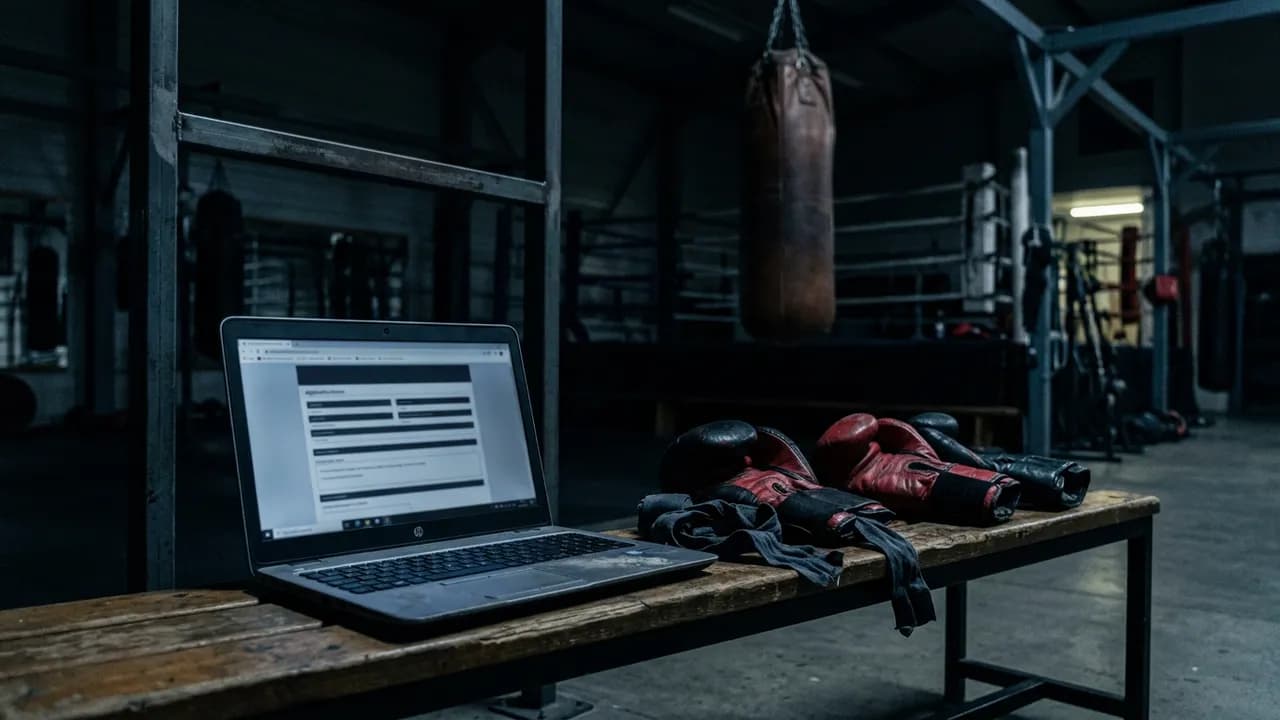
Several documented promotions recruit fighters through public application forms rather than secret invitations.
Streetbeefs, founded in 2008 in Harrisonburg, Virginia, by Chris "Scarface" Wilmore, is built around settling real disputes with gloves and headgear instead of weapons. It uses boxing, MMA, and BJJ rules, charges no admission, and pays fighters nothing; the stated purpose is violence reduction. Streetbeefs accepts fighters through an application process tied to its organization, not through walk-ups.
King of the Streets, founded in 2013 in Gothenburg, Sweden, by an anonymous group known as the Hype Crew, sits at the harder end: bare knuckle on concrete in warehouses, with no rounds and no time limits. KOTS has historically taken fighters through its own contact channels. It is far less rules-based than Streetbeefs, and its legal status is correspondingly more fraught. You can read more on how it operates in the KOTS rules breakdown.
Applying to an organization is not the same as being accepted, and acceptance is not a guarantee of safety. But a public application is a verifiable, traceable channel, which is the opposite of an anonymous illegal arrangement.
3. Combat-sport gyms
Boxing and MMA gyms are where nearly every documented underground fighter started. Coaches and training partners are the social bridge to whatever exists locally, sanctioned or not, and a good gym will steer a willing fighter toward legal amateur competition first. If you walk into a gym asking only for illegal fights, expect to be turned away; if you train and compete, doors open in the legal direction.
4. Organization YouTube channels
The best-documented promotions publish their fights on official YouTube and social channels. King of the Streets and Streetbeefs both maintain large followings on their official channels, and watching is how most fans first encounter the scene. Following an org's official channel is the legal, zero-risk way to engage, and it is also where genuine recruitment notices, when they exist, get posted. Treat any third-party account promising to "connect" you to fights as untrustworthy.
5. Local, trust-based communities
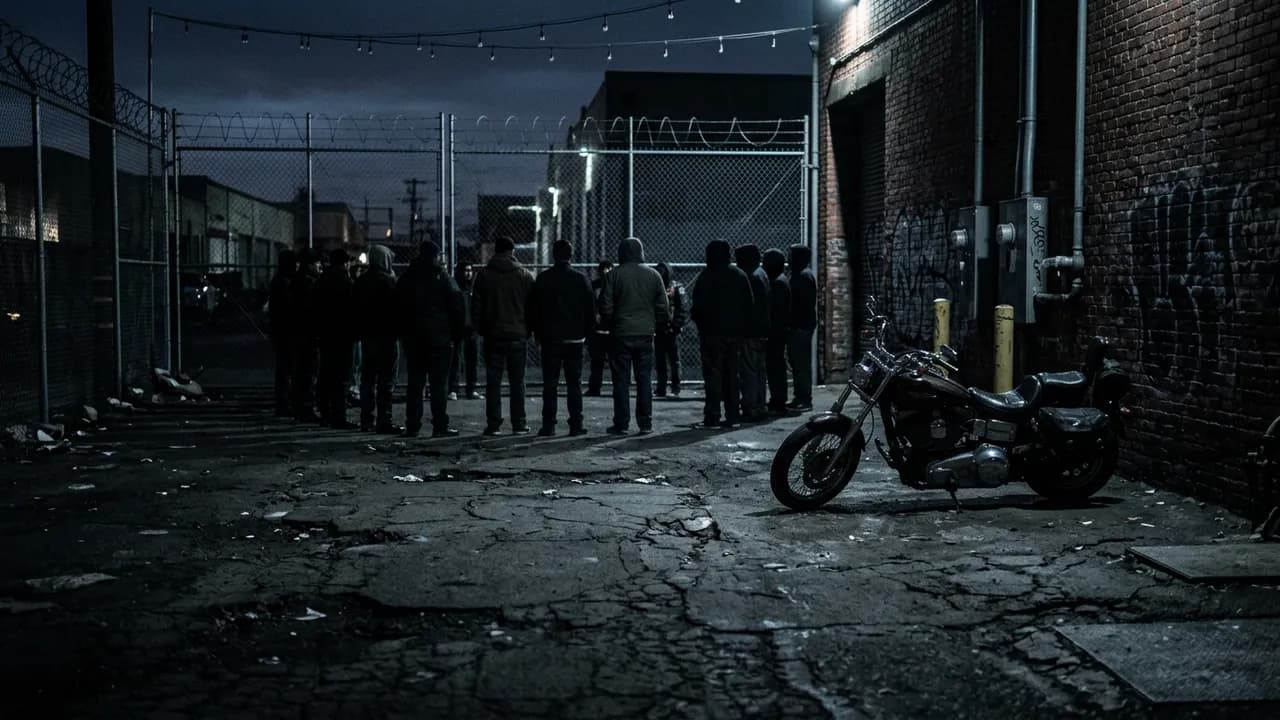
The genuinely hidden material, fights arranged privately with no public footprint, moves through closed networks built on prior trust: neighborhood crews, motorcycle clubs, and private group chats. These are not open to outsiders, cannot be searched, and carry the highest legal and physical risk. This guide cannot point you toward them, and the safest reading of that fact is that the door being closed is a feature, not an obstacle.
What to avoid
- "Buy a ticket to an underground fight" listings. No legitimate illegal event sells public tickets. These are scams or stings.
- Anyone charging a fee to "introduce" you. Real organizations do not work through paid fixers.
- Encrypted-chat invitations from strangers. The anonymity that makes them feel exclusive is exactly what removes every protection you would have in a sanctioned bout.
A note on safety
Unsanctioned fights have none of the safeguards that make licensed combat sport survivable: no pre-fight medicals, no weight matching, no ringside physician, no commission oversight, and frequently no insurance. The appeal is real, but the realistic legal alternatives, amateur boxing, MMA, smokers, and regulated promotions, deliver the same fight with the safety architecture intact. For the location-specific picture, the state pages on California, New Jersey, and Colorado cover the legal reality where you are. If you are searching the broader term, the underground fight club near me page is the companion to this guide.
FAQ
Is there a website or app to find underground fights near me? No. There is no directory or app for illegal fights, and any site claiming to sell tickets or arrange them should be treated as a scam or a sting. The legal channels are gyms, sanctioned amateur smokers, and organization application forms.
Are Streetbeefs and King of the Streets legal to join? Streetbeefs uses gloves, headgear, and a referee and frames itself as violence reduction, which is closer to amateur combat sport, though it still operates outside formal commission licensing. King of the Streets runs bare-knuckle, no-rules fights and sits in a far more fraught legal position. Neither is a substitute for sanctioned competition.
What is the safest legal way to actually fight? Train at a reputable boxing or MMA gym and compete in sanctioned amateur events or smokers run under your state athletic commission. This delivers real fights with medicals, matched opponents, and oversight.
Is it illegal just to watch? Watching an official organization's YouTube or social channel is completely legal. Attending an illegal in-person prizefight is not, and spectators can still be exposed even though attending carries lower risk than organizing or fighting.
Does bare-knuckle change the answer? Only where it is regulated. In states that have adopted a bare-knuckle ruleset, a licensed promotion is the legal route. A private bare-knuckle fight remains illegal everywhere it is unregulated.