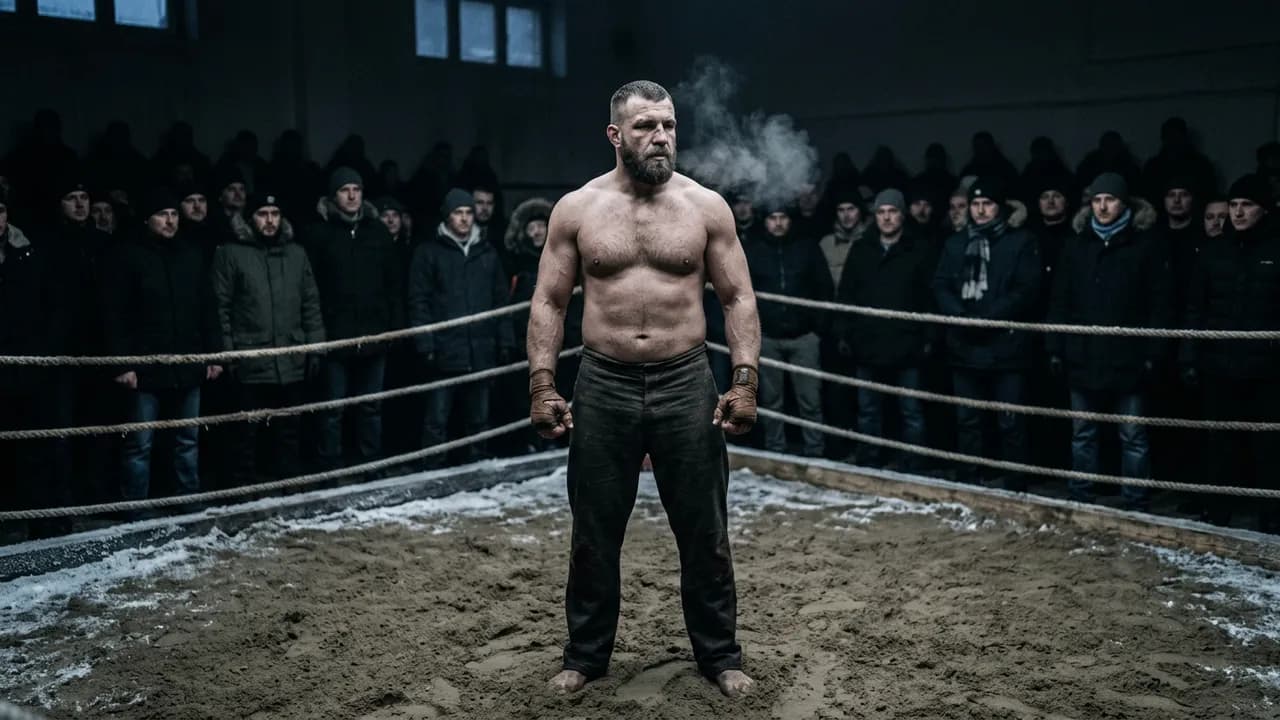
The Siberian is an editorial persona rather than a verified biography. As is typical across Strelka Street Fight Championship, the man behind the nickname is undocumented in English-language sources, and the promotion does not publish formal identities or fight records. What the persona captures is a distinct and recurring role in the St. Petersburg street scene: the cold, composed endurance fighter who wins by refusing to be rushed.
Quick Facts
| Detail | Info |
|---|---|
| Ring Name | The Siberian |
| Country | Russia |
| Organization | Strelka |
| Base | St. Petersburg |
| Style | Endurance fighter / composed grinder |
| Format | No rounds, no time limits, improvised sand ring |
| Role | Stamina and composure archetype |
Overview
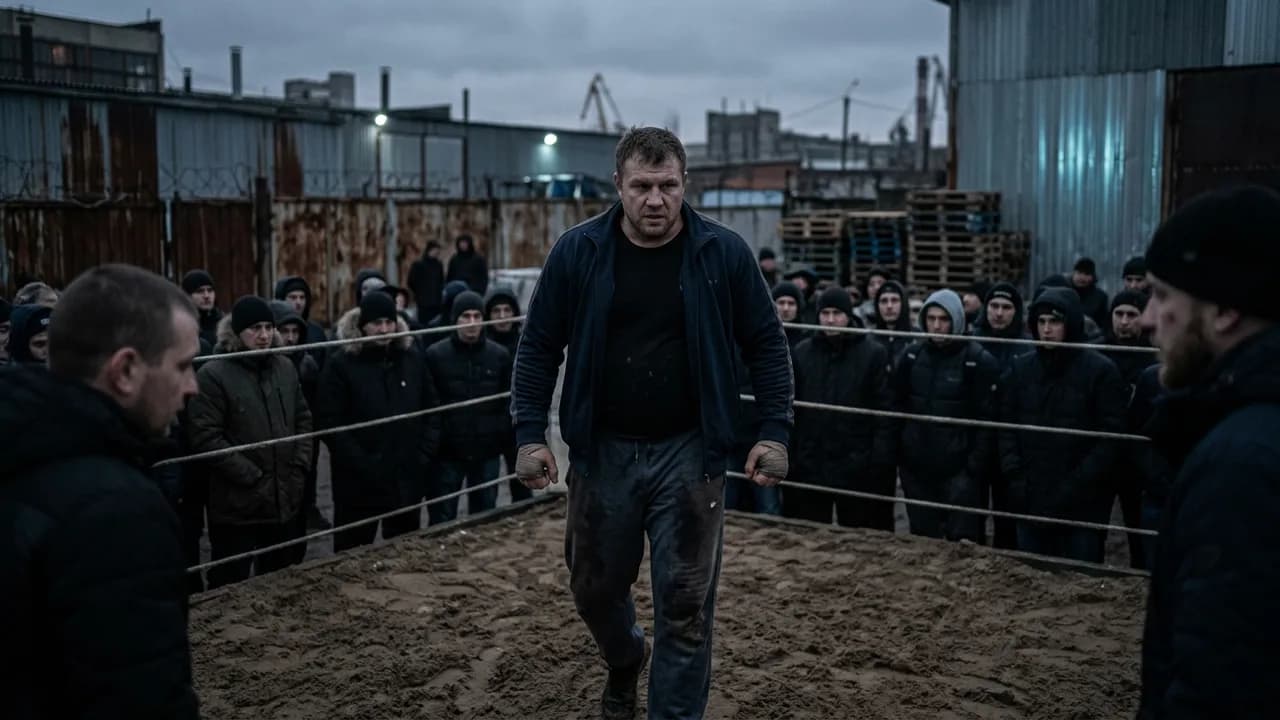
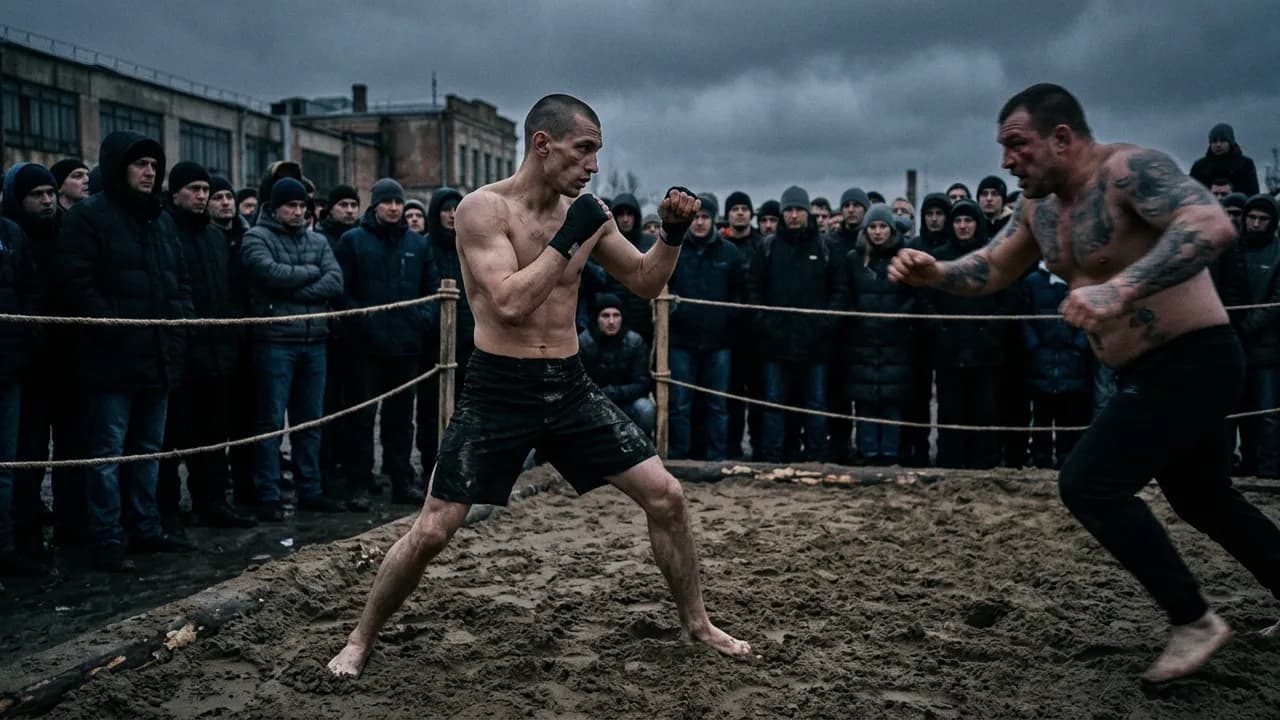
Strelka was founded in 2011 in St. Petersburg by an organizer known only as "Greg," and its format is deliberately raw: no rounds, no time limits, bare fists, and a ring drawn in sand. Without a clock, a Strelka bout can stretch until one man's body or will gives out. That structure produces a specific kind of winner, and The Siberian is the persona attached to him: the fighter who treats violence as a matter of patience and pacing rather than urgency.
The nickname leans on a cultural shorthand. To call a fighter "the Siberian" is to invoke cold, distance, and the capacity to endure conditions that break other men. Applied in Strelka, it describes a competitor who stays calm while opponents work themselves into a frenzy, who absorbs early aggression without panic, and who is still standing and composed when the other man has emptied himself. Whether the name belongs to one fighter or several, the type is real.
The format that makes endurance decisive is detailed in the Strelka rules explainer.
Fighting Style
The Siberian's game is built on economy and composure. He does not chase the finish early, and he does not match an aggressive opponent's pace. Instead he conserves, blocks and rides the opening flurry, and lets a hot-headed attacker spend energy that cannot be recovered in a format with no rounds to rest in. The longer a bout runs, the more the advantage shifts his way.
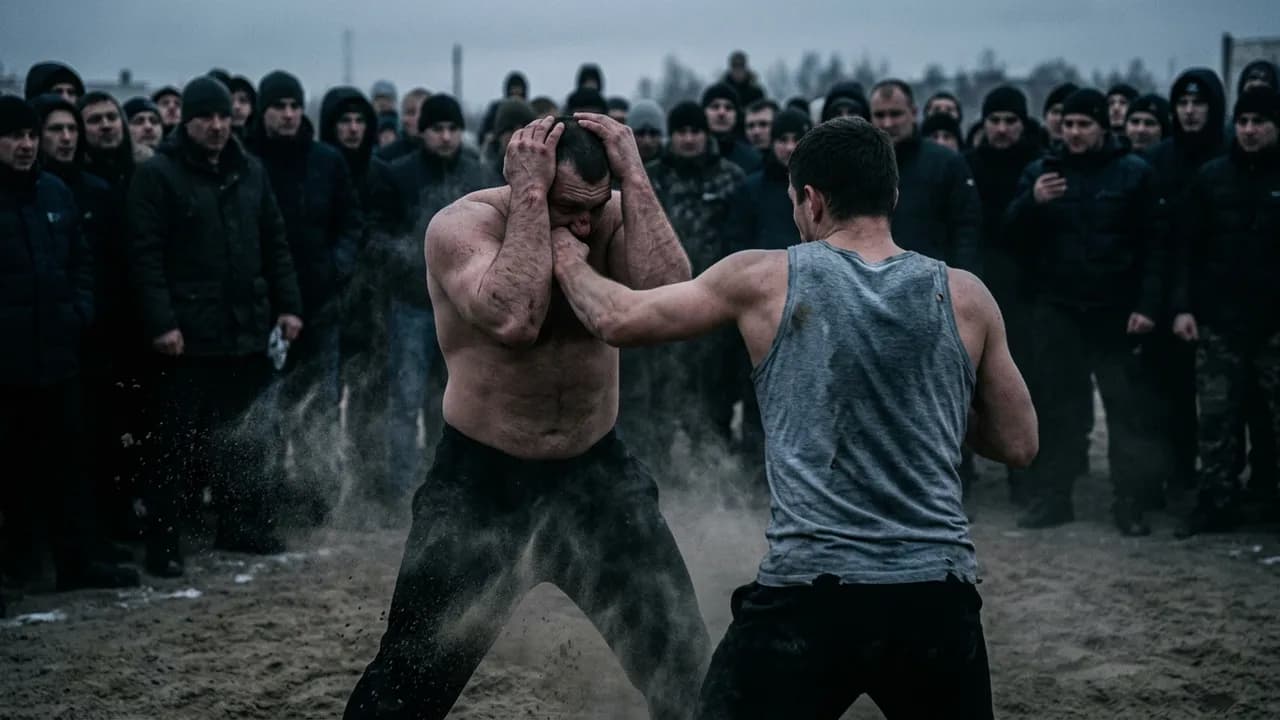
The output is measured. Counters thrown when the opponent slows, body shots placed to compound fatigue, and a steady, repeatable rhythm rather than bursts. Footwork is patient, used to maintain distance and angle rather than to dart in and out. On loose sand, this conservation pays a second dividend, since the fighters who waste motion early tend to be the ones whose legs go first, and The Siberian's restraint keeps his own legs under him longer.
What sets the persona apart is the psychological dimension. Composure is a weapon in a setting built to provoke panic. An opponent who lands his best shots and sees no reaction, who tires while the other man stays cold, often breaks mentally before he breaks physically. The Siberian's stillness is the point. It tells the other man that nothing he has is going to be enough, and in an open-ended bare-knuckle bout, that message can decide the fight before exhaustion does.
Role and Significance
The endurance fighter is the natural counterweight to Strelka's more explosive archetypes. Against a pressure fighter like The Tank, The Siberian's composure tests whether relentless forward movement can be sustained. Against a precision counter fighter like Boris the Blade, his durability tests whether a single timed shot is really enough. The persona exists to ask the same question of every style: can you keep this up when there is no bell coming?
This is also where Strelka's open-ended format separates it from gloved, round-based Russian promotions like Top Dog FC. Three two-minute rounds give a tiring fighter structure to lean on and recovery time between bursts. Strelka offers neither, and the endurance fighter is built specifically to exploit that absence.
As with all Strelka profiles, the convention here is editorial. Precise records are not published and identities are often withheld, so this profile describes role, era, and style without asserting specific fight results or a real identity. The nickname is treated as a widely-circulated persona.
Legacy
The Siberian endures as the cold center of the Strelka story, the proof that in a format built to reward fury, the calmest man in the ring often walks out of it. He is a reminder that endurance is its own kind of violence, applied slowly, and that patience in the sand can outlast almost anything thrown at it.
For where personas like this sit in the broader history of the St. Petersburg scene, see the best Strelka fighters of all time list.
FAQ
Who is The Siberian in Strelka?
The Siberian is an editorial persona for a Strelka endurance fighter defined by composure and stamina. Strelka does not publish verified identities, so this profile describes the archetype and role rather than a documented record.
Why does endurance win in Strelka?
Strelka uses no rounds and no time limits. A composed fighter who conserves energy and stays calm tends to outlast an aggressive opponent who burns out, because there is no bell to allow recovery between bursts.
Is The Siberian a real, named fighter?
The nickname circulates generically in street-fight culture and may describe one competitor or several. Following Strelka coverage convention, this profile treats it as a persona and avoids inventing specific results or a real identity.