The best Strelka fighters are ranked here by documented sand-ring finishes, the viral reach of their knockouts, and their impact across the league's eras since 2011. Because Strelka Street Fight Championship operates in an underground space where most competitors fight under aliases, street names, or first names only, this ranking weighs role, fighting style, and verifiable moments rather than precise win-loss records that cannot be confirmed.
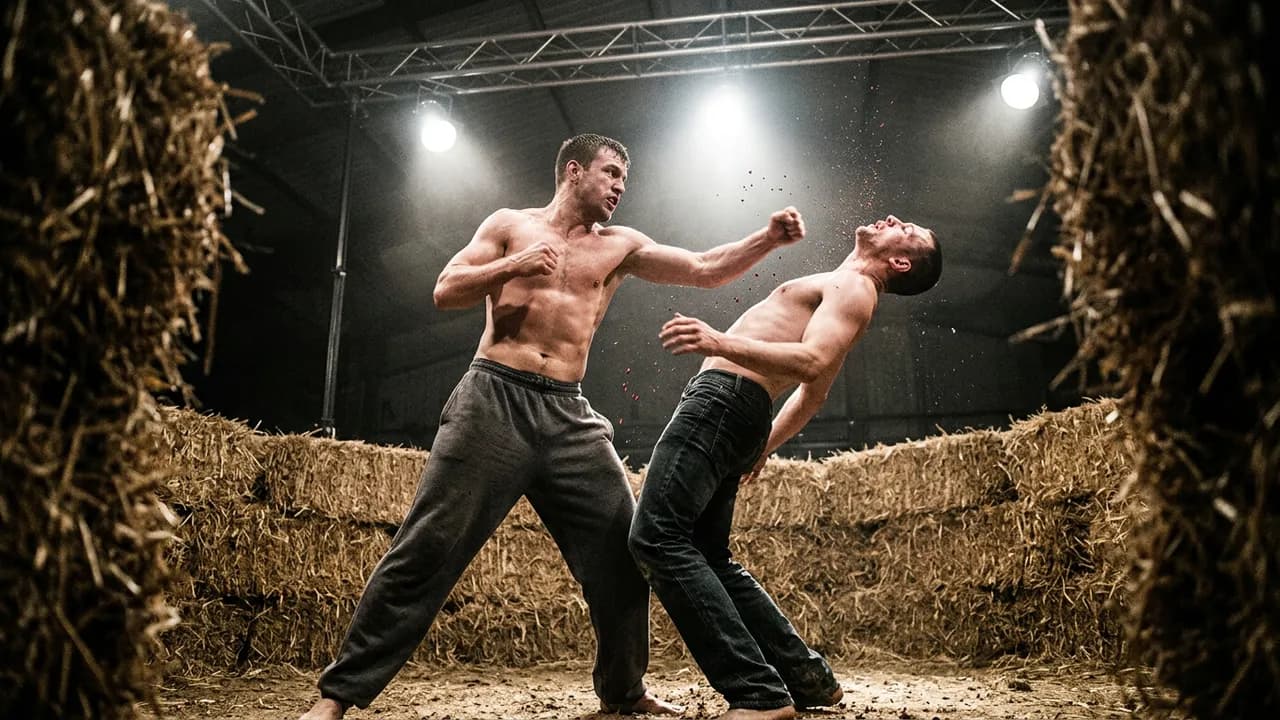
Strelka was founded in St. Petersburg in 2011 and runs on a deliberately stripped format: no rounds, no time limits, and a ring scratched into sand or dirt rather than built from rope and canvas. Fights continue until one man cannot or will not continue. That format rewards a specific kind of fighter, which is why these names recur in the league's most-watched footage and in clip compilations such as 10 Strelka moments that went viral.
A note on names: where a competitor is publicly known only by a handle, that handle is used in plain text. No real-person biography is invented here.
How This List Was Built
Four factors drive the ranking:
- Finish quality — how decisive and how replayed the knockouts are.
- Format fit — how well a fighter's style suits a no-rounds sand ring with no gloves.
- Era impact — whether the fighter defined an early, middle, or modern phase of Strelka.
- Reach — how far the footage traveled beyond Russian-language audiences.
Because purses in Strelka are undisclosed and records are not officially published, none of the rankings below rest on a stat line. They rest on documented footage and the role each figure played.
10. The Early-Era Sand Brawlers
Strelka's founding period (roughly 2011–2013) was defined less by individual stars than by a wave of local St. Petersburg brawlers who established the format. These were the men who proved a sand ring with no rules could draw a crowd in an empty lot. They rank here as a group because the footage from this era rarely carries reliable names, and inventing them would betray the record. Their contribution is structural: they made Strelka a thing that existed.
9. The Slav-Squat Striker Archetype
A recurring entrant type in Strelka's middle years was the lean, tracksuit-clad striker built for a single explosive exchange. On sand, footwork is compromised and a fighter cannot reliably reset, so the most effective competitors learned to commit fully to the first big right hand. The fighters who mastered this risk-everything approach produced many of Strelka's most-shared clips. They are named in compilations by handle only, and they earn this slot for shaping the league's striking identity.
8. The Heavyweight Bruisers
Strelka does not enforce strict weight classes the way commission-regulated promotions like BKFC do, so size mismatches are common and the heavier man often wins by sheer mass. The league's heavyweight bruisers rank here for the simple, documented fact that their fights tend to end fast and ugly. Their knockouts travel because they confirm what casual viewers expect from underground footage: a big man ending things in seconds.
7. The Defensive Survivors
A smaller but respected category. In a no-rounds format on sand, the fighter who can absorb the first storm and stay upright frequently wins, because the aggressor gasses with no rest period to recover. The survivors who built a following on weathering early pressure represent the technical counter-argument to Strelka's brawler reputation. They are the reason the league occasionally produces a methodical, drawn-out fight rather than a 10-second highlight.
6. The Cross-Region Challengers
As Strelka's footage spread beyond St. Petersburg, fighters from Moscow and other Russian cities began appearing on cards, sometimes framed as regional or city-versus-city matchups. These challengers rank here for expanding the league's reach and feeding the rivalry narrative that drives view counts. The format echoes the regional framing seen in other post-Soviet street-fight scenes and in Moscow-based bare-knuckle promotion Top Dog FC.
5. The Comeback Faces
Strelka's most rewatched fights often involve a competitor who was visibly losing, then turned it around with a single counter. The fighters associated with documented comeback moments rank highly because those clips carry the league's strongest replay value. A comeback in a no-rules sand ring reads as more dramatic than one in a timed, refereed bout, and the figures known for them anchor several entries in the viral-moments archive.
4. The Knockout Specialists
This slot belongs to the entrants whose footage is dominated by clean, sudden finishes rather than wars of attrition. In an environment with no gloves to cushion impact and no count to save a stunned man quickly enough, a true one-shot finisher is the most dangerous profile in the building. The knockout specialists are why "Strelka knockout" is a search phrase at all. They are named by handle in clip titles and earn this position on finishing reputation alone.
3. The Recurring Main-Event Draws
Some Strelka figures appear repeatedly as the headline attraction across multiple events. Whether by reputation, willingness to face anyone, or a string of decisive wins, these recurring draws became the faces the audience showed up for. Longevity in a format that punishes the body this hard is itself an achievement, echoing what veterans like Wolf represent in King of the Streets. Their staying power earns the bronze tier.
2. The Format-Defining Champions
Below the very top sit the competitors whose dominance shaped what a "good" Strelka fighter looks like — pressure, durability, and the willingness to trade on sand. They rank second because their influence is stylistic and lasting: newer entrants are measured against them. The league's identity as a brutal, no-frills test of will is largely their inheritance, and their fights remain reference points in any serious discussion of Strelka history.
1. The Viral Icons
The top of this list belongs to the handful of Strelka figures whose single fights broke out of the Russian-language internet entirely and became part of the global underground-fighting canon. These are the clips that get reposted on combat-sports aggregator accounts, embedded in "craziest street fight" compilations, and argued over in comment sections worldwide. Their reach is the closest thing Strelka has to a documented record of greatness, and it is the fairest measure available in a league built on anonymity.
For the specific fights that earned this tier their reputation, see 10 Strelka moments that went viral.
Why Anonymity Shapes This Ranking
In sanctioned combat sports, a best-of list runs on numbers: knockout percentage, title defenses, strength of schedule. Strelka offers almost none of that. Purses are undisclosed, records are unofficial, and many competitors actively avoid being identified. That is not a flaw in this ranking — it is the subject. The fairest way to rank Strelka fighters is by the footprint they left in footage, and that footprint is what every entry above is built on.
For the league's origins, ruleset, and place in the broader scene, see the full Strelka organization profile.
FAQ
Who is the greatest Strelka fighter of all time? There is no officially crowned greatest Strelka fighter. The strongest cases belong to the viral icons whose individual fights reached a global audience, since that reach is the only widely documented measure in a league built on anonymity.
Why do Strelka fighters use aliases? Strelka operates in a legally grey, underground space in Russia. Many competitors use street names, first names, or handles to limit identification, which is standard across underground fighting and why a numbers-based ranking is not possible.
Does Strelka have weight classes? Strelka does not enforce strict weight classes, so size mismatches are common and heavier fighters often hold a decisive advantage. This shapes which styles succeed in the sand ring.