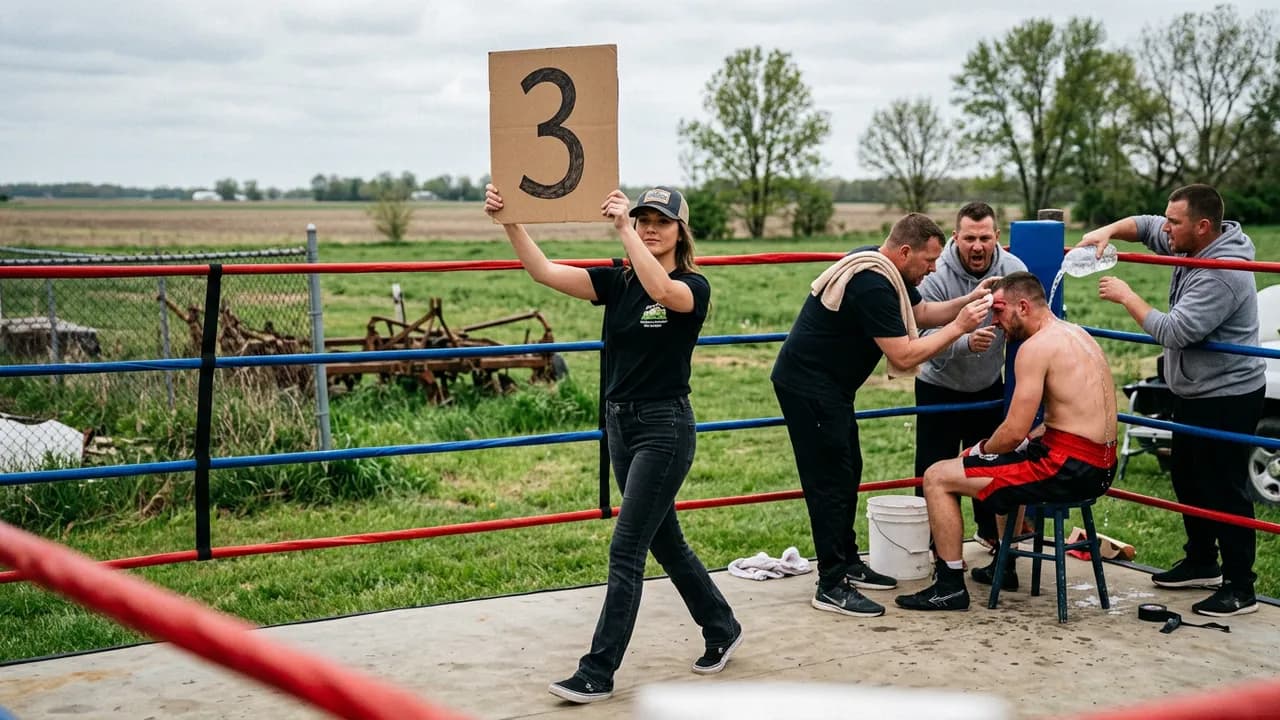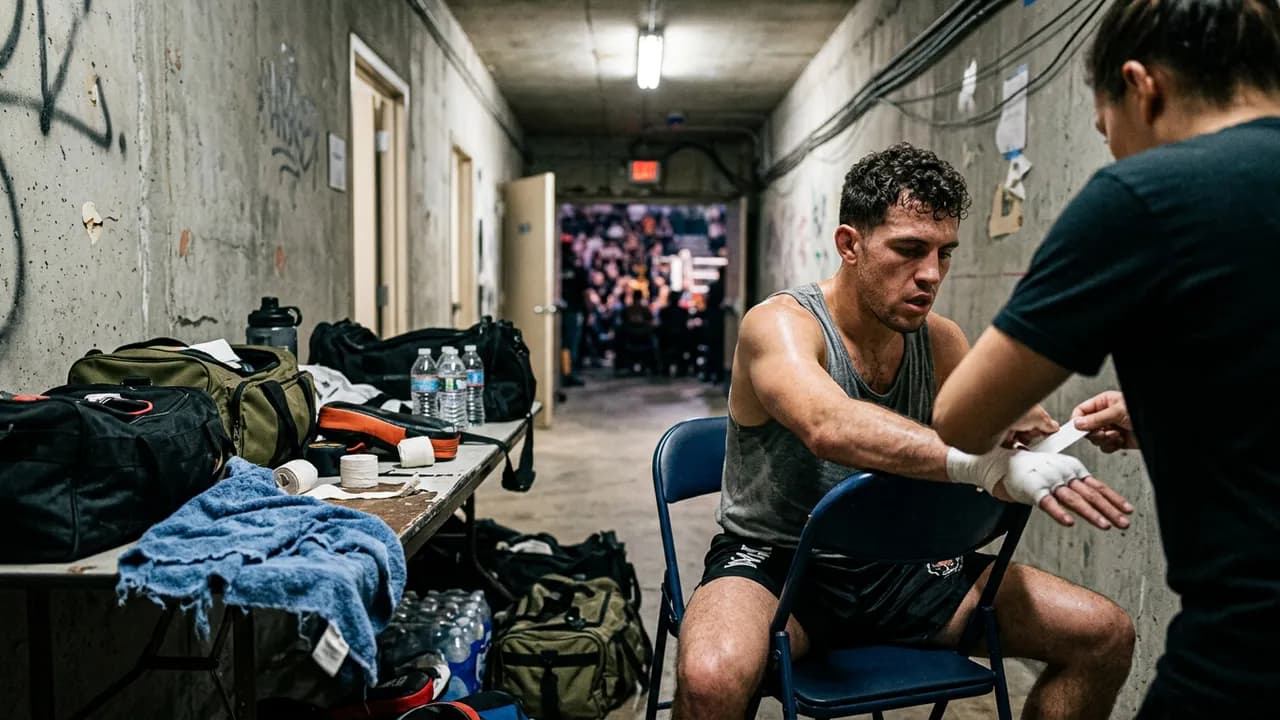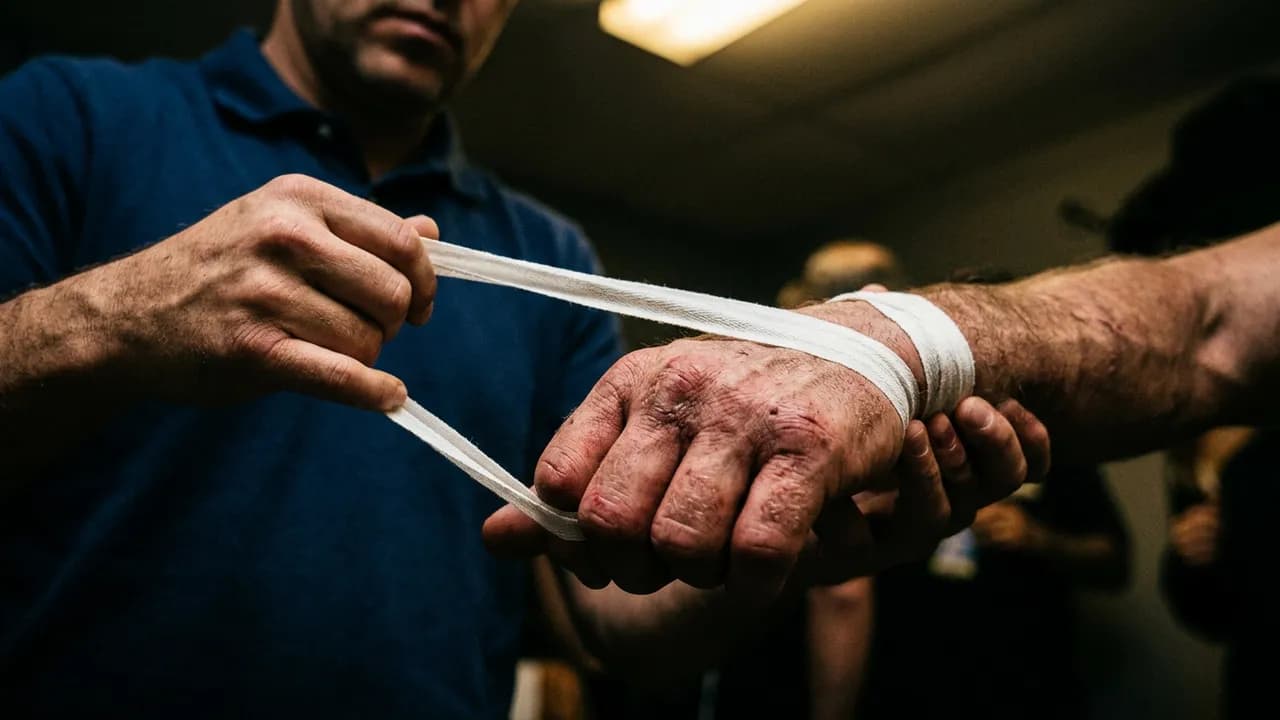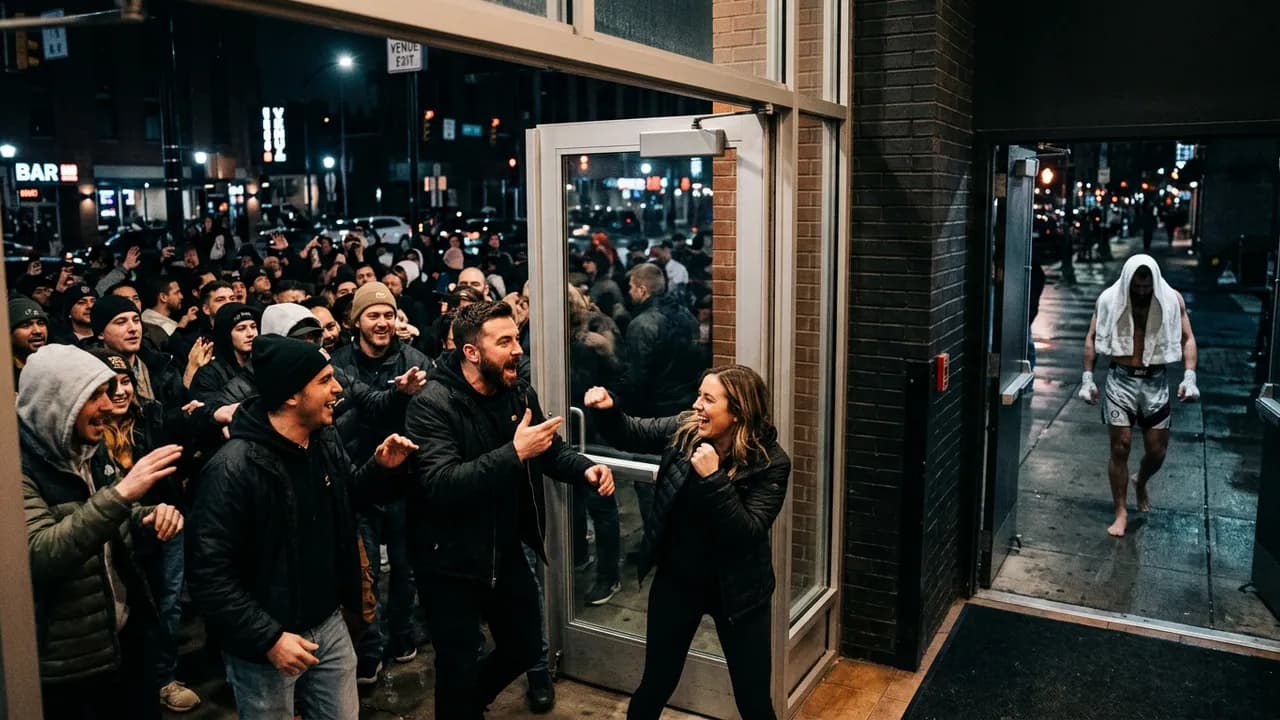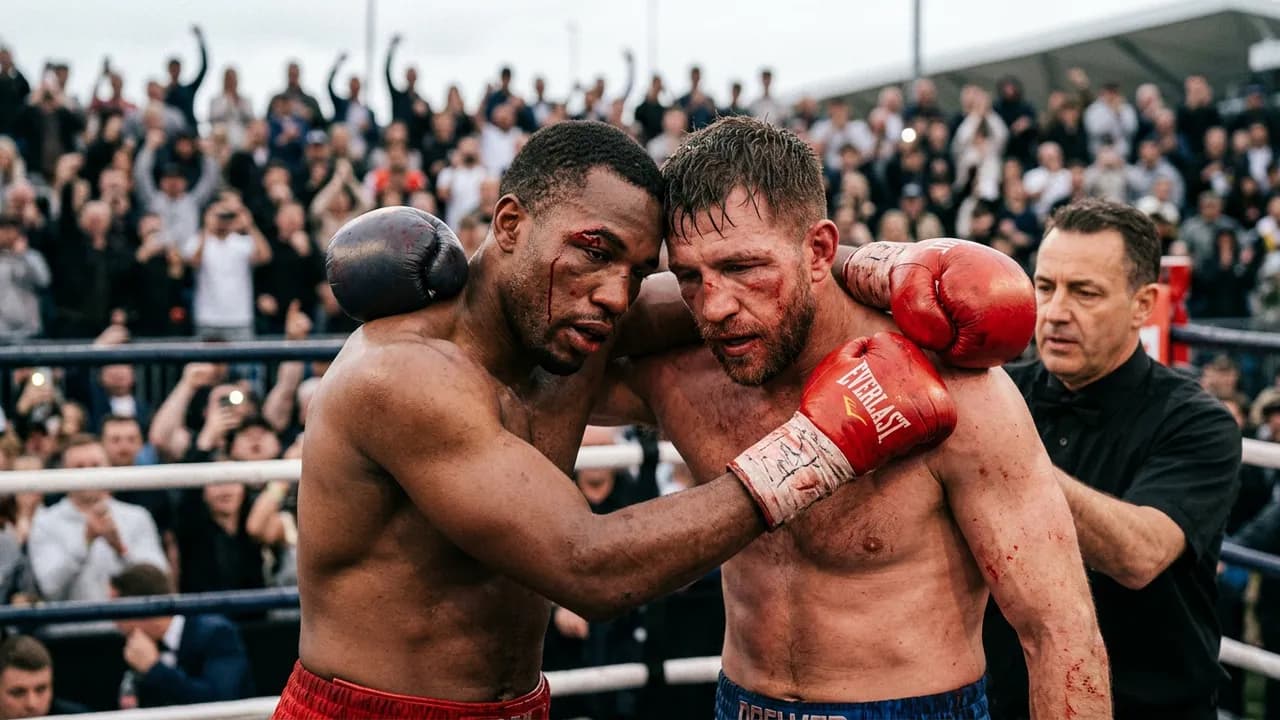
Strelka does not operate like other fighting promotions. There are no ropes. There is no cage. There is no canvas. There is a circle drawn in the sand, and inside that circle, men fight until one cannot continue. The format is as old as combat itself -- a primal arena stripped of every modern concession to safety, comfort, or spectacle. The Strelka Grand Prix 2023 took this already extreme format and pushed it further, organizing fighters into a tournament bracket where the winner would need to survive multiple fights in a single event to claim the prize.
The Grand Prix format is among the most demanding in combat sports. Single fights are taxing enough. Tournament formats -- where a fighter must win two, three, or even four bouts in one night -- test endurance, durability, and heart in ways that no single-fight event can replicate. When you add Strelka's unique conditions -- the sand circle, the open-air setting, the Russian street fighting ethos -- the Grand Prix becomes something that exists entirely outside the boundaries of what sanctioned combat sports would ever permit.
Event Overview
The Strelka Grand Prix 2023 was held in Russia, outdoors, in the organization's signature sand circle. The venue was characteristically austere -- no arena, no roof, no seating in the traditional sense. Spectators ringed the circle, standing or crouching at the sand's edge, close enough to feel the impact of bodies hitting the ground.
The tournament format required fighters to compete multiple times throughout the event. The bracket structure meant that early-round losers were eliminated while winners advanced, with accumulated damage from previous fights becoming an increasingly significant factor as the tournament progressed. A fighter who barely survived his first bout might face a fresh, uninjured opponent in the second round -- or might face another battered survivor, creating a battle of attrition between two men who were already compromised.
The rules were Strelka's standard framework: strikes were legal, the fight took place in the sand circle, and the bout continued until one fighter was unable to continue or the referee intervened. The sand surface -- softer than concrete but offering none of the consistency of a mat or canvas -- added its own variables. Footing was uncertain. Falls were cushioned slightly but offered no predictable landing surface. The sand got in eyes, in mouths, in wounds.
Fight Card and Results
The Tournament Bracket
The Grand Prix bracket featured fighters drawn from Strelka's deep roster of Russian street fighters, martial artists, and combat sport journeymen. The bracket was structured to produce a single champion through an elimination format, with each round raising the stakes and the difficulty.
The early rounds of the tournament produced the expected mix of quick finishes and grinding affairs. Some fights ended in seconds -- a clean shot landing on a fighter who was not yet warmed up, or a takedown into the sand that produced an immediate dominant position. Others extended into exhausting exchanges where both fighters emptied their tanks in the sand circle, trading shots until one man's legs gave out or one man's chin could absorb no more.
The later rounds were where the tournament format revealed its true nature. Fighters who had won their early bouts carried the physical evidence -- swollen hands, cut faces, depleted cardio, aching ribs. The sand circle offered no recovery room and no corner breaks long enough to fully recuperate. Each subsequent fight demanded that the competitor find reserves of toughness that his previous bout had depleted.
The Champion's Path
The eventual Grand Prix champion fought a path that epitomized the Strelka ethos. Multiple fights. Increasing damage. Opponents who were themselves battle-tested by the tournament bracket. The champion's final victory came against an opponent who had also survived multiple fights, and the result was a bout between two exhausted, damaged men fighting on will and heart rather than fresh legs and clean technique.
This is what the Grand Prix format produces -- not the best fighter on any given night, but the toughest fighter across an entire tournament. The distinction is important. A fighter can be technically superior and lose a Grand Prix to a man who is simply more durable, more willing to absorb punishment, and more capable of finding the will to continue when everything in his body is telling him to stop.
Key Moments
The Sand Circle Dynamic
The sand circle at the Strelka Grand Prix 2023 was both the venue and a participant. The sand surface affected every aspect of the fighting -- footwork, takedowns, ground fighting, and recovery. Fighters who relied on precise boxing footwork found their movement compromised by the shifting surface. Wrestlers who shot for takedowns discovered that driving through sand requires different mechanics than driving through a canvas-covered mat.
03 / Up next / The Crowd's Role
The most dramatic moments often came when a fighter was knocked down into the sand. Unlike concrete, where a knockdown can produce a secondary head impact that ends the fight, the sand absorbed some of the fall impact. This meant that fighters who went down had a slightly higher chance of recovery -- but the uncertain footing made getting back up its own challenge. Fighters struggling to rise from the sand, legs unsteady, while their opponent loaded up for a finishing shot -- these were the images that defined the Grand Prix.
The Crowd's Role
Strelka events have a different audience dynamic than most fighting promotions. The spectators are not separated from the action by barriers, ropes, or cages. They stand at the edge of the sand circle, and the only thing separating them from the fighters is an understanding that the circle is sacred space. When a fight spills to the edge of the circle, spectators step back. When a fighter is knocked toward the crowd, hands push him back toward the center.
At the Grand Prix, this proximity created an intensity that amplified as the tournament progressed. The crowd followed individual fighters through their bracket runs, developing loyalties and antipathies that grew with each fight. By the final, the audience was as emotionally invested as the fighters -- a dynamic that no arena event can fully replicate.
Endurance as Currency
The Grand Prix format exposed a truth about fighting that single-bout events obscure: fighting is endurance sport as much as it is combat sport. The most technically skilled fighter in the Grand Prix bracket was not necessarily the winner. The winner was the fighter who could absorb punishment across multiple bouts, manage his energy across an entire tournament, and find the will to engage in violence when his body was begging him to stop.
This endurance dimension is what makes tournament fighting fundamentally different from single-bout competition, and it is what made the Strelka Grand Prix 2023 one of the most demanding events in underground fighting that year.
Aftermath and Impact
Strelka's Format Vindicated
The Grand Prix 2023 vindicated Strelka's commitment to its distinctive format. While other Russian fighting promotions -- particularly Top Dog FC -- had evolved toward higher production values and more mainstream presentations, Strelka maintained its stripped-down, sand-circle aesthetic. The Grand Prix demonstrated that this format could produce compelling, dramatic fighting without the production infrastructure that Top Dog and others relied upon.
The event's viewership -- distributed primarily through YouTube and Russian social media platforms -- was substantial, proving that the audience for raw, unproduced fighting remained strong even as the broader market trended toward higher production values.
Fighter Development
The Grand Prix format served as a crucible for fighter development. Fighters who survived the tournament emerged as proven commodities -- men whose toughness and adaptability had been tested under the most demanding conditions the underground fighting world could produce. Fighters like Andrei Petrantsov, who had built reputations through the Strelka system, exemplified the kind of competitor that the Grand Prix format produces.
The Tournament Format's Influence
The Strelka Grand Prix 2023 influenced other promotions to experiment with tournament formats. The appeal of a single-event elimination tournament -- the dramatic narrative of a fighter's journey through the bracket, the escalating stakes, the endurance component -- is powerful content that translates well to both live audiences and digital distribution.
What the Grand Prix Represents
The Strelka Grand Prix exists at the intersection of ancient and modern. The sand circle format echoes the fighting pits of antiquity -- the Roman arena, the Greek pankration, the tribal combat circle. The tournament bracket echoes the martial traditions of cultures across the world, where champions proved themselves not in a single bout but across a gauntlet of opponents.
In 2023, in Russia, these ancient forms found modern expression. The sand circle was drawn. The bracket was set. And the toughest men in Strelka's roster stepped into the circle to answer the oldest question in combat: who can endure the most and still stand?
Watch on YouTube
Watch the 2023 Grand Prix tournament fights on Strelka's official channel:
- Strelka Grand Prix 2023 -- Full Tournament Highlights -- Complete bracket coverage and championship fights from the 2023 Grand Prix
- Grand Prix 2023: Best Knockouts -- The most devastating finishes from the tournament
- Strelka Grand Prix: Final Round -- The championship fight from the 2023 Grand Prix tournament
Subscribe to the Strelka / TronMMA YouTube channel -- 2.5 million subscribers and over 1.2 billion total views.
For more on Strelka events, see Strelka Major Events. For the broader Russian fighting landscape, see Top Dog FC Major Events.