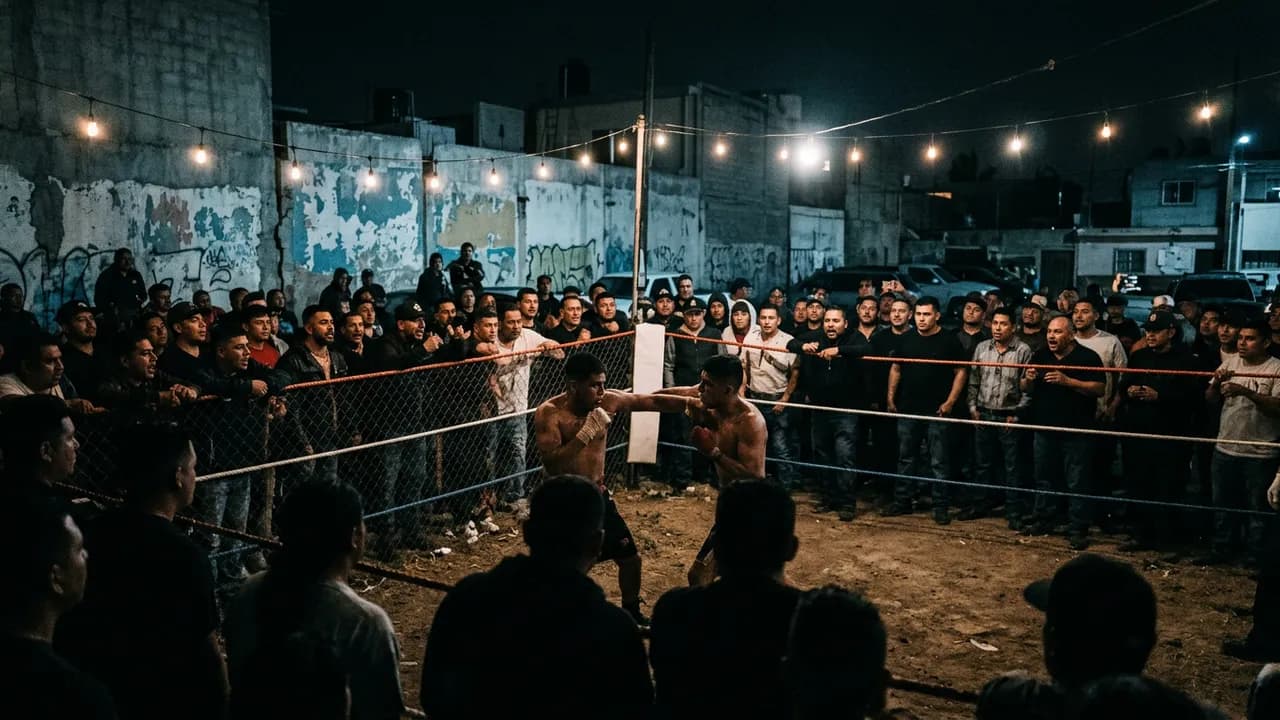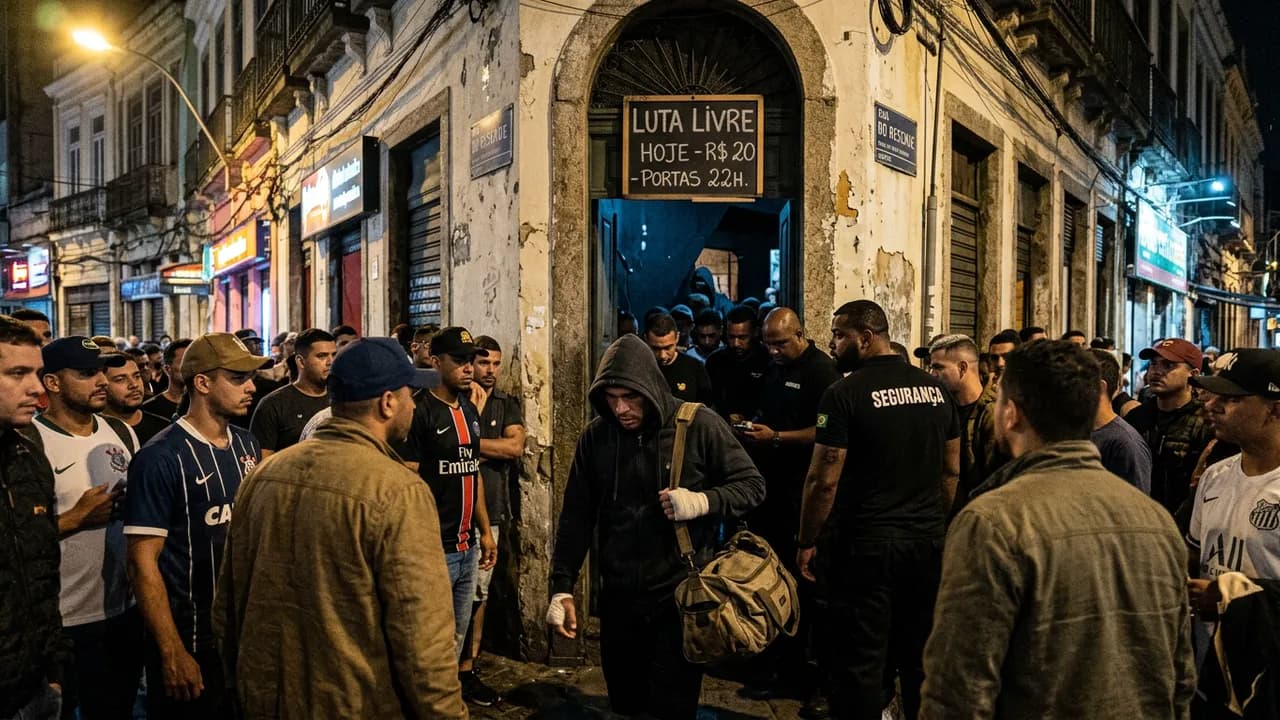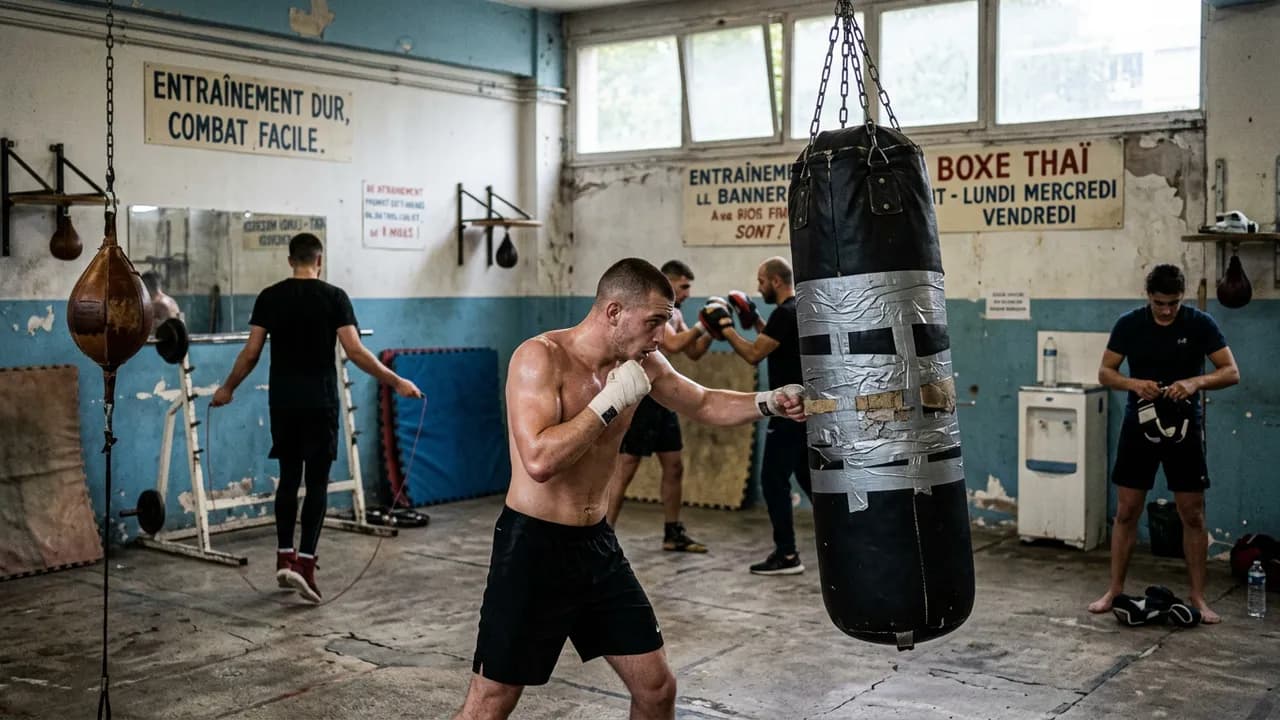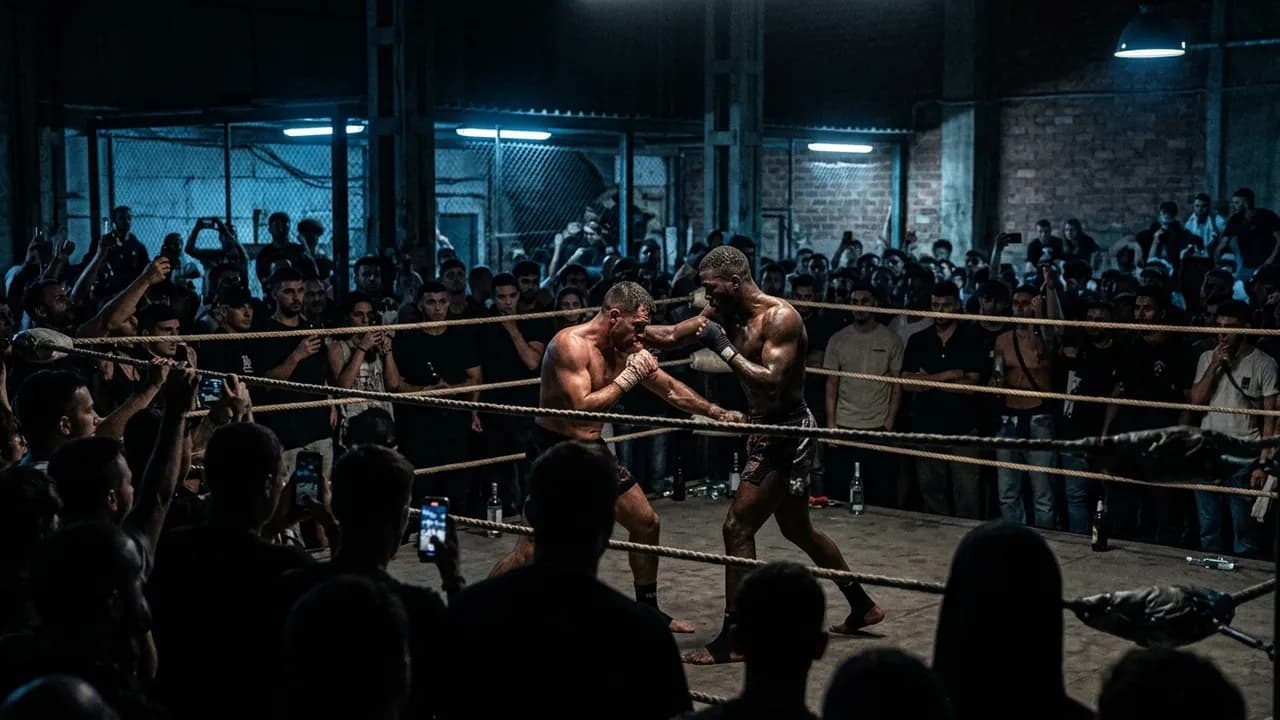
Spain may not be the first country that comes to mind when you think of underground fighting, but beneath the surface of its vibrant cities lies a growing combat sports scene that draws from deep cultural roots. Spanish boxing has a proud history stretching back generations, and the country's connection to Latin American fighting traditions has created a unique crossroads where European and Western Hemisphere fighting cultures meet. From the industrial outskirts of Barcelona to the working-class neighborhoods of Madrid, unsanctioned fighting events are gaining momentum.
History
Spain's boxing tradition took shape in the early 20th century, with fighters like Paulino Uzcudun, the Basque heavyweight who fought Max Schmeling and Joe Louis in the 1930s, bringing international attention to Spanish combat sports. Boxing clubs became fixtures in working-class neighborhoods across Barcelona, Madrid, Bilbao, and Valencia, producing a steady stream of European and world-level competitors.
During the Franco era (1939-1975), combat sports existed in a controlled state. Boxing was popular but tightly regulated, and underground fighting was suppressed along with most forms of unsanctioned public gathering. After Spain's transition to democracy, combat sports gradually liberalized, with MMA gaining a foothold in the 2000s.
The modern underground scene emerged in the 2010s, driven by immigration, economic hardship, and social media. Spain's large Latin American immigrant communities brought boxing and fighting traditions from Mexico, Colombia, Ecuador, and the Dominican Republic, creating a multicultural fighting ecosystem. The 2008 financial crisis and persistent youth unemployment pushed many young men toward underground fighting as both an outlet and a potential income source. By the 2020s, underground fight events in Barcelona and Madrid were drawing hundreds of spectators and millions of online views.
Active Organizations
- Revolución Fight Club - Barcelona's most prominent underground promotion, organizing events in the city's industrial Poblenou district and surrounding areas.
- Madrid Fight Underground (MFU) - A network of promoters in the Spanish capital hosting unsanctioned bouts in warehouse spaces in the Villaverde and Vallecas neighborhoods.
- ARES Fighting Championship - A semi-sanctioned Spanish MMA promotion that bridges the gap between underground and professional competition.
- Peleas Callejeras España - A social media-driven collective documenting and organizing street fights across Spanish cities, with a strong presence on YouTube and Telegram.
- Valencia Fight Night - Underground events on Spain's eastern coast, drawing fighters from Valencia's diverse immigrant communities.
Notable Fighters
- Kerman Lejarraga - A Basque welterweight who became European champion, representing the pipeline from Spanish gym culture to world-level competition.
- Sandor Martin - The Barcelona super lightweight who shocked the boxing world with his upset victory over Mikey Garcia, showing the depth of Spanish boxing talent.
- "El Tigre" Rodriguez - A Madrid-based underground fighter of Colombian descent, known on the local circuit for his aggressive pressure fighting style.
- Nico "Nitro" Navarro - A Barcelona underground MMA fighter who built a social media following through filmed warehouse bouts before transitioning to sanctioned competition.
Legal Status
Spain regulates professional boxing and MMA through the Spanish Boxing Federation and regional athletic commissions. Each of Spain's autonomous communities has some degree of independent regulatory authority, creating a patchwork of rules and enforcement levels.
Unsanctioned fighting is illegal under Spanish law. Organizing or participating in underground fights can result in charges related to assault, public disorder, or operating unlicensed events. In practice, enforcement is inconsistent. Urban police forces in Barcelona and Madrid have conducted raids on larger underground events, but smaller gatherings often operate without interference.
The Catalonian autonomous community has been somewhat more permissive toward combat sports events, while the Madrid region has taken a stricter approach to unlicensed fighting. Rural areas and smaller cities see virtually no enforcement against informal fighting events.
How to Get Involved
- Boxing gyms - Spain has excellent boxing gyms in every major city. Training at established clubs in Barcelona (Boxing Barcelona, Club Boxeo Montesinos), Madrid (Boxing Club Madrid), or Bilbao provides the foundation for any fighting path.
- MMA gyms - The growing Spanish MMA scene is centered around gyms that produce both amateur and professional fighters. Many have connections to the underground circuit.
- Latin American community networks - In cities with large Latin American populations, community boxing clubs and informal fight networks provide pathways into the underground scene.
- Social media - Spanish-language fight content on YouTube, Instagram, and Telegram is the primary way underground events are promoted and documented. Following these channels is essential.
FAQ
Is underground fighting legal in Spain?
No. Unsanctioned fighting is illegal in Spain under assault and public disorder laws. Sanctioned boxing and MMA are legal and regulated by the Spanish Boxing Federation and regional athletic commissions. Enforcement against underground events is inconsistent, varying significantly between regions and depending on the size and visibility of the event.
Where can I watch Spanish underground fights?
Spanish underground fight content is primarily found on YouTube and Telegram channels, often under Spanish-language search terms like "peleas callejeras" or "peleas underground España." Sanctioned Spanish MMA events are streamed through various platforms. Social media accounts on Instagram and TikTok document both the sanctioned and underground scenes, with Barcelona and Madrid content being the most prevalent.