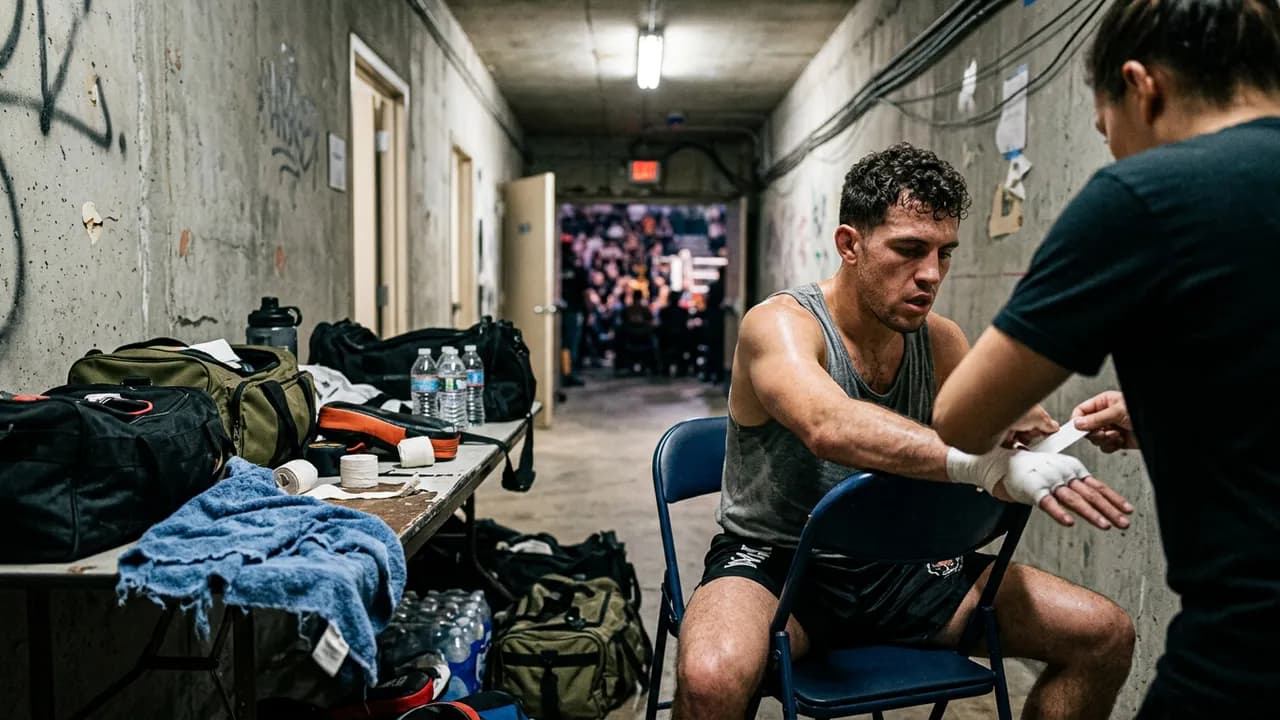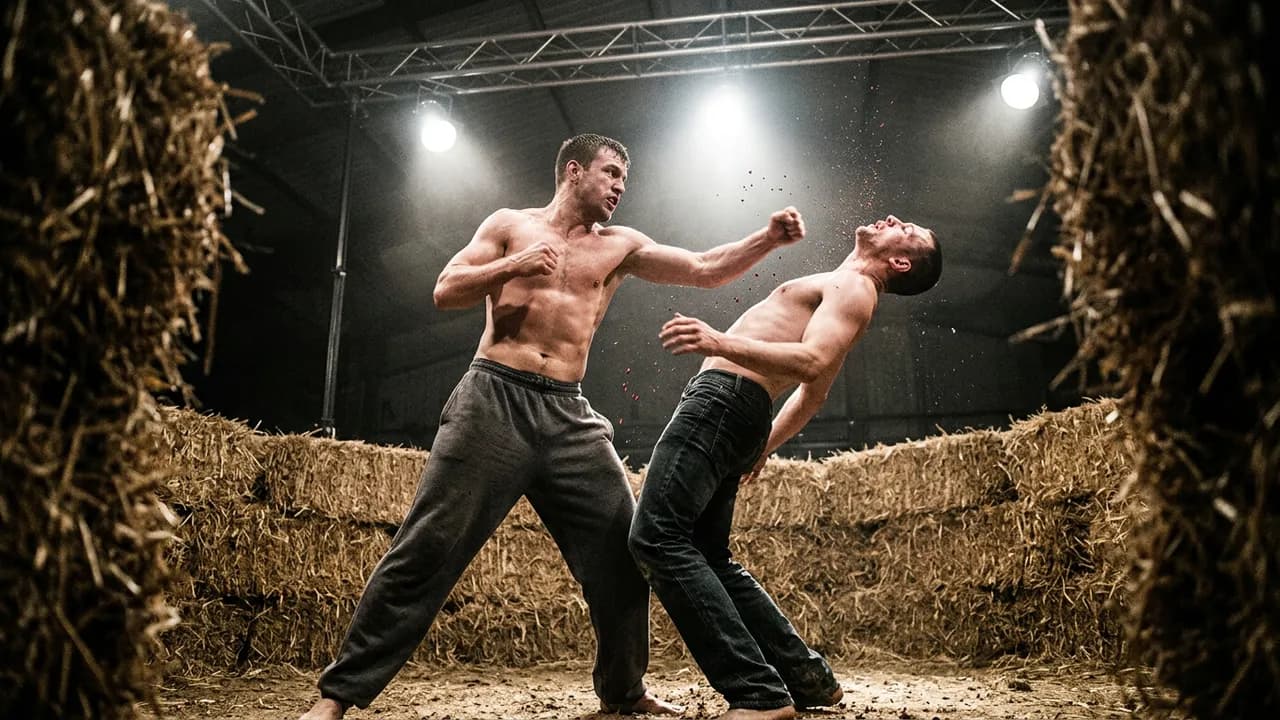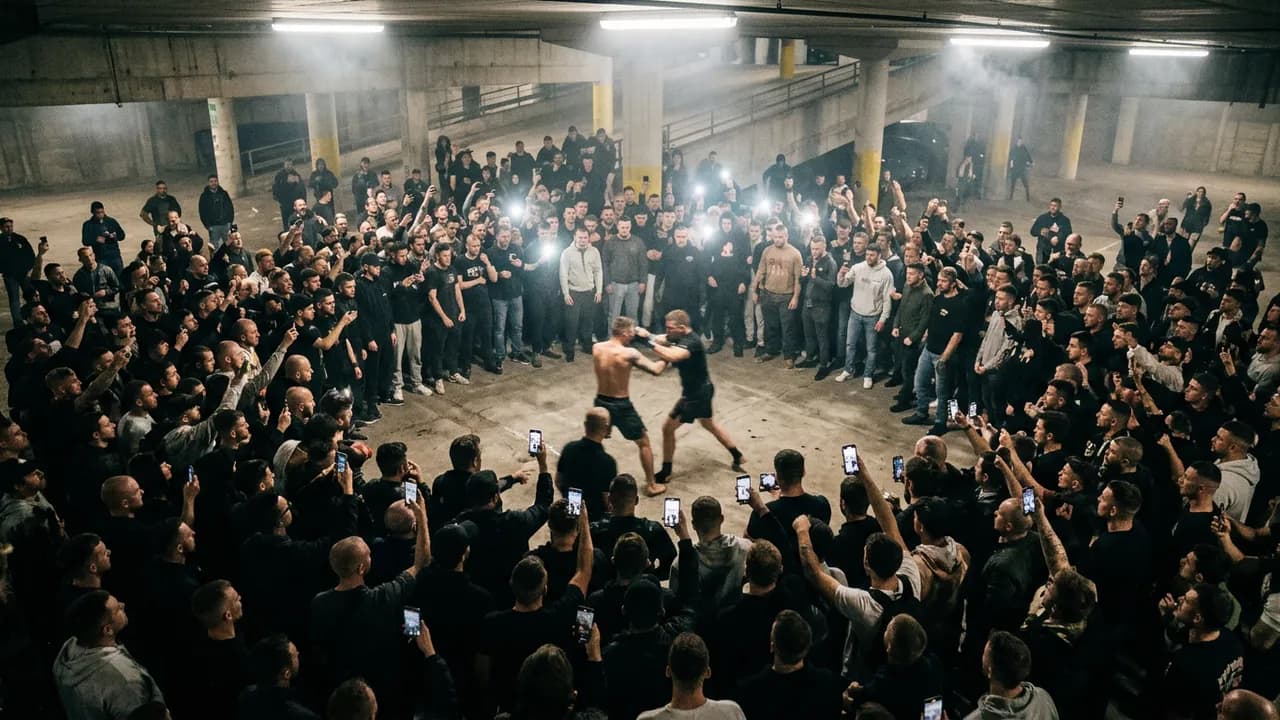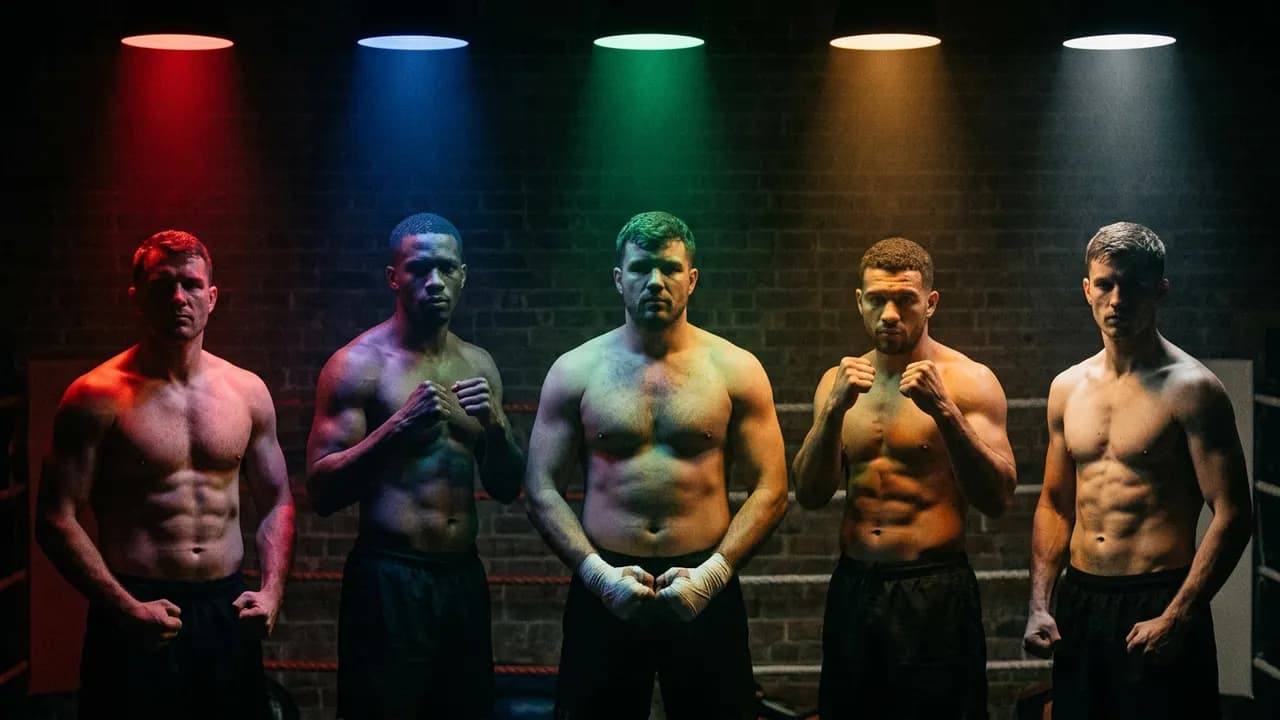
Strelka is the biggest fight club in the world. Founded in 2011 in St. Petersburg, Russia, the organization has grown to encompass over 10,000 participants across Russia and the CIS nations, a virtual roster exceeding 40,000 fighters globally, 2.45 million YouTube subscribers, and more than 1.5 billion views. Its format is elegantly simple: an outdoor sand ring, no rounds, no time limits, amateurs only. Two fighters enter and fight until one surrenders, is knocked out, or cannot continue.
Ranking Strelka fighters is a fundamentally different exercise than ranking fighters from promotions like BKFC or Top Dog FC. Strelka is an amateur organization by design. There are no championships, no official rankings, and no formal fighter records maintained for public consumption. Fighters come and go -- a truck driver enters for one event and never returns, a sushi chef fights three times in a summer and disappears. The transient, democratic nature of Strelka is its defining feature and its greatest ranking challenge.
What follows is a ranking based on the fighters and moments that have defined Strelka's identity -- the performances that went viral, the competitors who demonstrated genuine skill in the sand ring, and the stories that captured what makes the world's biggest fight club a global phenomenon.
1. Andrei Petrantsov -- The Truck Driver Who Broke the Internet
Hometown: Bryansk, Russia | Profession: Truck driver | Claim to Fame: 24M+ view knockout on YouTube
Andrei Petrantsov is Strelka's defining figure. Not its best fighter -- that distinction is impossible to award in an organization of 40,000 participants -- but its most iconic one. Petrantsov was a truck driver from Bryansk who happened to walk past a Strelka event, stepped into the ring when a volunteer was needed, and delivered a single-punch knockout so devastating that it became one of the most-watched combat sports clips in YouTube history. Over 24 million views. Shared across every major social media platform. Dissected by combat sports commentators around the world.
Petrantsov had no fighting background. No gym affiliation. No training camp. He was a bystander who became a participant and, in the span of a few brutal seconds, became a phenomenon. His story is the purest distillation of what Strelka represents -- the radical democratic idea that the toughest man in any room might be the one you least expect. In an organization that has produced 1.5 billion YouTube views, Petrantsov's single punch remains the most watched and most shared moment in Strelka history.
2. The Sushi Chef from Kislovodsk
Known For: Viral tournament run, unexpected skill from an unlikely background
Strelka's YouTube channel has repeatedly demonstrated a pattern that keeps audiences coming back: the unlikely competitor who turns out to be genuinely skilled. One of the most celebrated examples is a sushi chef from Kislovodsk who entered a Strelka tournament and proceeded to display striking ability that suggested either hidden training or extraordinary natural talent. The contrast between his day job and his fighting performance -- combined with the Strelka format's ability to surface these kinds of stories -- made his tournament run one of the most shared Strelka sequences on social media.
The sushi chef embodies Strelka's core appeal: in the sand ring, credentials do not matter. What matters is what you do when the bell -- or in Strelka's case, the starting signal -- sounds.
3. The St. Petersburg Longshoreman
Known For: Dominant tournament performance, blue-collar toughness personified
St. Petersburg, as Strelka's hometown, has produced a disproportionate number of the organization's most memorable fighters. Among them, a longshoreman whose physical conditioning from years of manual labor on the docks translated directly into the sand ring. His cardio, toughness, and functional strength -- built through labor rather than gym training -- gave him advantages over opponents who may have been more technically skilled but could not match his work capacity over the course of multiple fights in a single tournament.
This fighter represents a through line in Strelka's history: the working-class competitor whose physical job prepares them for combat in ways that traditional martial arts training cannot replicate.
4. Tournament Specialists -- The Repeat Champions
Known For: Winning multiple fights in a single Strelka event
Strelka's tournament format -- where fighters must win multiple bouts in a single day to claim a tournament victory -- produces a specific kind of champion. These are not one-punch knockout artists (though they may possess that ability). They are fighters who can win their first bout, recover quickly, and then win again. And potentially again. This physical and mental demand is unique to the Strelka format and has produced fighters whose tournament records speak to a level of conditioning and adaptability that transcends individual bouts.
04 / Up next / 5. The College Wrestler
The repeat tournament champions are the closest thing Strelka has to a recognizable competitive class. While their names may not be widely known outside the Russian-language Strelka community, their ability to win multiple fights in a day against unknown opponents with unknown skill levels represents the highest level of consistent performance the organization has produced.
5. The College Wrestler
Known For: Grappling dominance in a striking-first environment
One of Strelka's most memorable viral clips features a competitor with obvious wrestling credentials who entered the sand ring and immediately changed the rules of engagement. While most Strelka fights default to striking exchanges -- two men standing and trading punches until someone falls -- this wrestler shot for takedowns, controlled his opponents on the ground, and demonstrated that the sand ring's MMA-rules format allows for grappling dominance when a fighter with genuine wrestling ability enters the field.
The clip went viral because it subverted expectations. Strelka audiences are accustomed to seeing punching exchanges. Watching a wrestler systematically take down and control opponents was a reminder that the organization's rules allow for any martial art -- and that a skilled grappler can turn the sand ring into a wrestling mat.
Most Viral Strelka Moments
Beyond individual fighters, Strelka has produced viral moments that have collectively generated hundreds of millions of views and defined the organization's global reputation.
The Walk-On Knockout (Petrantsov)
The single most-watched moment in Strelka history. Andrei Petrantsov's one-punch knockout as a walk-on from the crowd has been viewed over 24 million times on YouTube alone, with countless additional views across ripped clips on TikTok, Instagram, Facebook, and combat sports forums. The moment captures everything Strelka sells: anyone can fight, anything can happen, and the most extraordinary moments come from the most ordinary people.
The 2018 World Cup-Era Fights
Strelka achieved peak cultural relevance during the 2018 FIFA World Cup in Russia. International media attention turned to Russian fighting culture, and outlets like the South China Morning Post profiled Strelka as a constructive channel for the aggressive energies of Russia's fighting community. The fights produced during this period -- with heightened media attention and increased participation -- include some of the most-viewed content in the organization's YouTube library.
The David vs. Goliath Matchups
Strelka's open-entry format regularly produces dramatic size mismatches where smaller fighters take on significantly larger opponents. Some of the organization's most viral clips feature undersized competitors who use speed, timing, or sheer courage to overcome opponents who tower over them. These David vs. Goliath moments are catnip for social media audiences and have driven millions of views.
The Technical Knockout Artist
Periodically, a fighter enters the Strelka sand ring with obvious professional-level training and proceeds to systematically dismantle amateur opposition. These clips -- featuring crisp combinations, head movement, and defensive boxing that is jarringly out of place in a sand ring -- go viral because they illustrate the vast skill gap between trained and untrained fighters. They also raise the perennial Strelka debate: should trained fighters be allowed to compete in an amateur format?
The Grandmother's Encouragement
Strelka's Russian audience has produced countless reaction clips, but one of the most enduring viral moments involves an elderly woman at ringside shouting encouragement in Russian to a fighter she appears to know personally. The clip humanizes the Strelka experience -- it is not just about violence. It is about community, family, and the very Russian tradition of gathering to watch men test themselves in the most direct way possible.
6-10: The Rising Generation
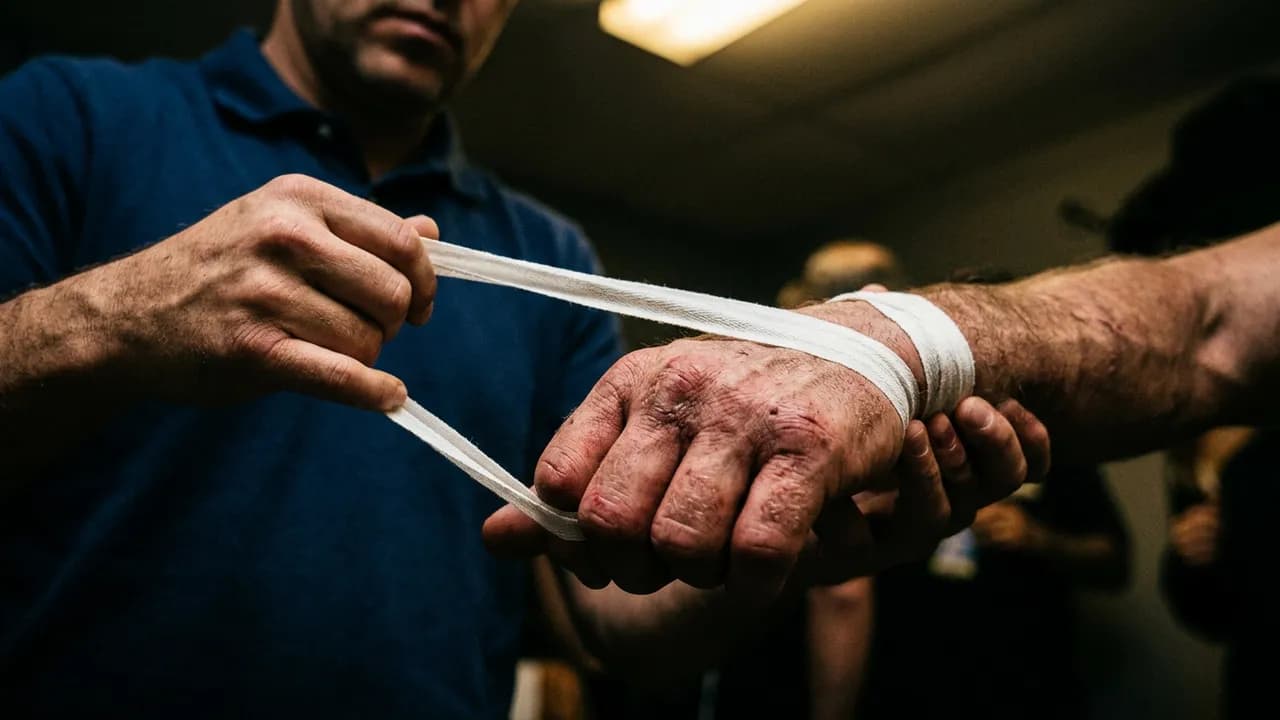
The remaining spots on this list are occupied by the anonymous mass of talented Strelka competitors who have produced memorable performances but whose identities are unknown to international audiences. This anonymity is not a failure of the ranking system -- it is the point of Strelka. The organization was built on the idea that anyone can fight, and the democratic nature of participation means that the next great Strelka fighter might be watching from the crowd at the next event, waiting for someone to hand them a pair of hand wraps.
6. The Dagestani Wrestler
Dagestan's legendary wrestling tradition has produced fighters who occasionally enter Strelka events and demonstrate grappling ability that is simply unmatched by the average participant. Their brief but dominant tournament appearances have produced some of the organization's most shared clips.
7. The Boxing Gym Regular
Several viral Strelka clips feature fighters who are clearly regulars at boxing gyms -- their footwork, combinations, and defensive awareness mark them as trained fighters even in the chaotic sand ring environment. These fighters tend to dominate their tournaments with technical precision.
8. The Military Veteran
Russia's extensive military infrastructure produces young men with combat training, physical conditioning, and mental toughness that translate directly to the Strelka ring. Military veterans have been responsible for some of the most disciplined and efficient performances in the organization's history.
9. The Football Hooligan Turned Fighter
Russia's football hooligan subculture has historically overlapped with its fighting culture. Former hooligans who have channeled their aggression into Strelka competition have produced entertaining, if technically unrefined, performances that resonate with the organization's audience.
10. The International Competitor
As Strelka has expanded beyond Russia -- with a global roster exceeding 40,000 fighters -- international competitors have begun appearing at events. These fighters bring diverse martial arts backgrounds and fighting cultures to the sand ring, adding a new dimension to an organization that was originally a purely Russian phenomenon.
Why Strelka Rankings Are Different
These rankings must be understood differently from rankings of other organizations covered on this site. BKFC has official records, championship belts, and ranked contenders. Top Dog FC has a stable roster of recognizable fighters. Even KOTS, with its deliberate anonymity, has repeat competitors whose careers can be tracked across multiple events.
Strelka is fundamentally different. It is an amateur organization designed for mass participation, not individual career development. Fighters enter, compete, and often never return. The sand ring is not a launching pad for professional careers -- it is an experience, a test, a moment. The fact that Strelka has nonetheless produced viral moments and recognizable fighters speaks to the power of combat to create stories that transcend organizational structure.
The truck driver from Bryansk did not need a championship belt or a P4P ranking to become famous. He needed a single punch and a camera. That is Strelka in its purest form -- and it is why the world's biggest fight club continues to captivate audiences 15 years after its founding.
Watch and Learn More
YouTube Channels
- Strelka / TRON MMA -- 2.45M subscribers, 1.5B+ views
Recommended Fights
- Strelka: Petrantsov Knockout -- The 24M+ view viral moment that defined Strelka
Official Sites
- Strelka / TRON MMA -- Official Strelka platform
Read More on UNSANCTIONED FIGHTS
- Strelka Organization Profile -- Full profile of the world's biggest fight club
- Andrei Petrantsov Fighter Profile -- The truck driver who broke the internet
- Streetbeefs vs Strelka -- America vs Russia people's fight clubs
- Strelka vs Top Dog FC -- Russia's two fight empires
- Most Watched Underground Fights on YouTube -- Where Strelka clips rank
- All Underground Fighting Organizations Ranked -- Where Strelka ranks overall