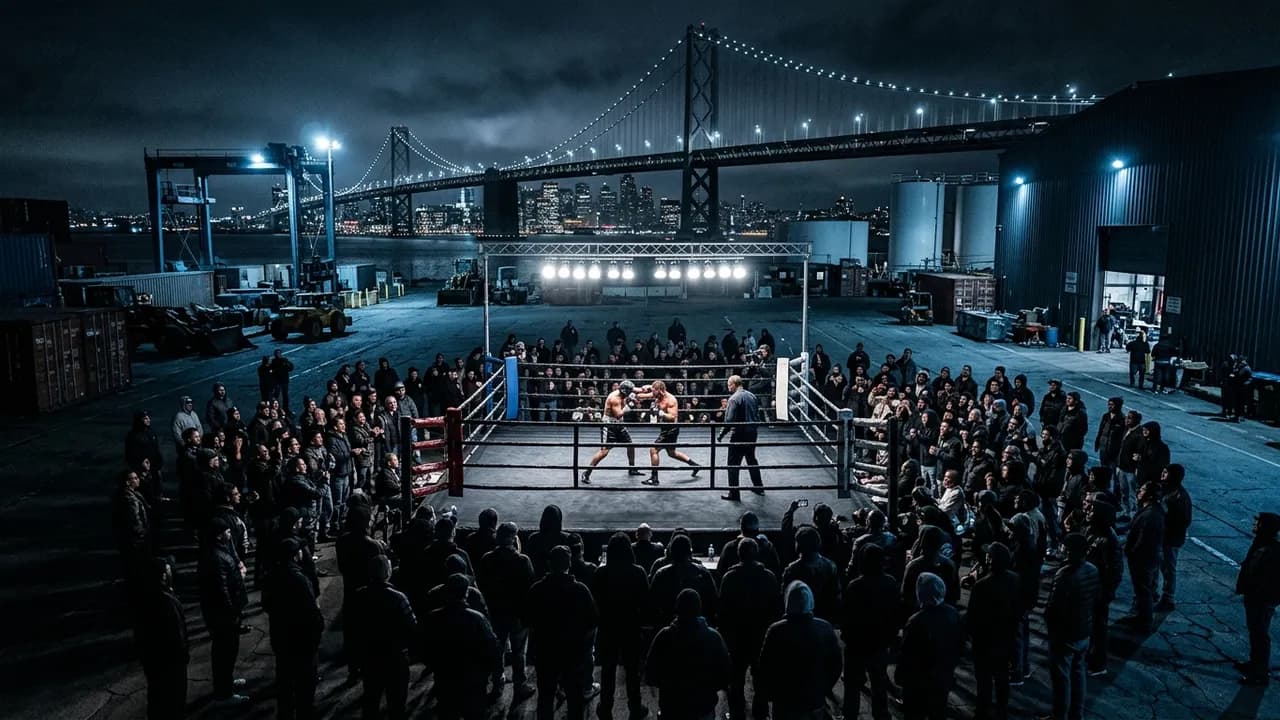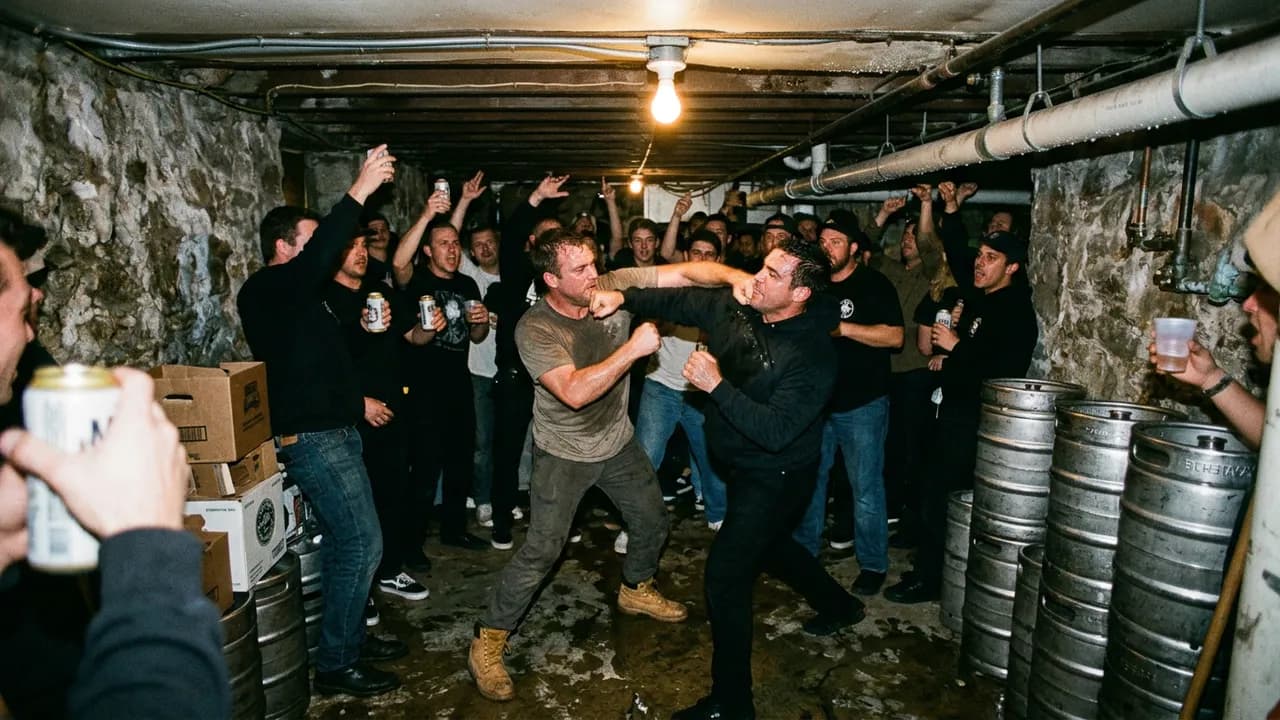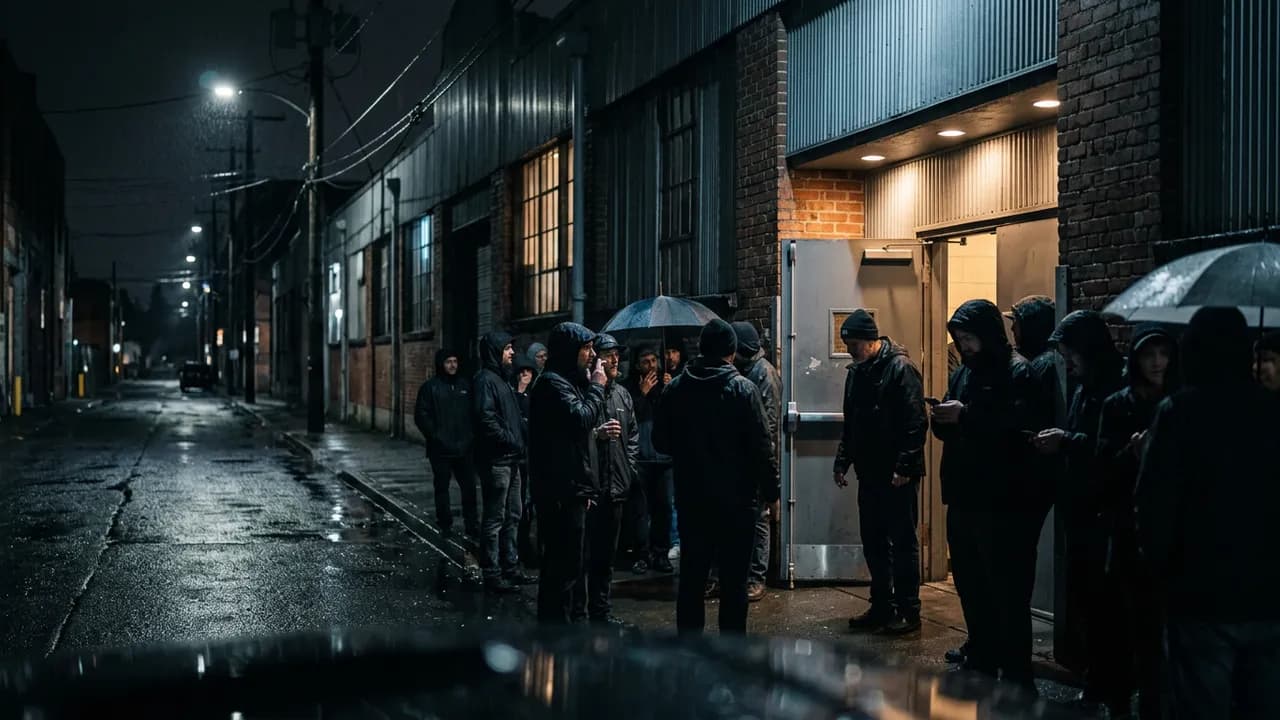
Portland, Oregon, is a city that has built its identity on doing things differently. The counterculture that defines the city -- its DIY ethos, its resistance to corporate homogeneity, its embrace of the weird and the marginal -- extends into the fighting world. Portland's underground scene is smaller than those in the Sun Belt brawling capitals, but it carries a distinctive character rooted in the Pacific Northwest's combination of physical toughness and countercultural independence. The loggers, fishermen, and dockworkers who built the region's economy were not gentle people, and their legacy persists in a fighting culture that values authenticity over polish.
The proximity to Washington state adds an unusual dimension to Portland's scene. Washington's reputation for tolerating mutual combat, which rests on a Seattle city ordinance rather than state law, has shaped fighting culture just across the Columbia River and throughout the Pacific Northwest.
History
The Pacific Northwest's fighting traditions are rooted in the region's extractive industries. Logging camps, fishing boats, and the rough towns that served these industries produced a culture of physical confrontation that was both recreational and functional. Portland, as the region's largest city, served as the hub where these traditions converged. The waterfront bars and flophouses of Old Town Portland were notorious for brawling in the nineteenth and early twentieth centuries.
Boxing took formal root in Portland in the mid-twentieth century, with gyms serving the working-class neighborhoods on the east side of the Willamette River. The amateur boxing scene produced fighters who competed regionally, though Portland never developed the kind of national boxing reputation that cities like Detroit or Philadelphia enjoyed.
The modern underground scene emerged from Portland's punk and DIY culture. The same ethos that produced basement shows, zine culture, and guerrilla art installations also produced informal fighting events staged in warehouses, backyards, and rented spaces. These events blended the aesthetics of punk culture with genuine combat, creating a uniquely Portland hybrid that attracted participants from across the countercultural spectrum.
Organizations
The DIY Fight Scene
Portland's underground fighting scene is organized through informal networks that overlap with the city's broader counterculture. Events are staged in warehouses, art spaces, and private properties, promoted through word of mouth and social media. The format varies -- some events are boxing-only, others permit MMA-style fighting, and some are essentially spectacles that combine fighting with performance art.
The atmosphere at these events reflects Portland's cultural identity -- inclusive in ways that traditional fight scenes are not, with participants and spectators from diverse backgrounds and subcultures. Women fighters are more visible in Portland's scene than in many other cities, reflecting the city's progressive values even within the context of combat sports.
Combat Sports Gyms
Portland's MMA and boxing gym scene has grown substantially. The city is home to multiple high-quality training facilities that produce fighters for regional and national competition. Team Quest, founded by UFC veterans, operated in the Portland area and helped establish the Pacific Northwest as a legitimate combat sports region. The gym infrastructure provides the technical foundation that underlies the city's informal fighting scene.
Washington State and Mutual Combat
The proximity to Washington state -- specifically to its reputation for tolerating mutual combat -- influences Portland's fighting culture. That reputation rests on a Seattle city ordinance, not a Washington statute, and Oregon's own code rules agreed fights out: ORS 161.215 denies self-defense for force that is the product of "combat by agreement." Still, the belief that consensual fighting is tolerated across the river shapes attitudes and creates a cross-border dynamic, and fighters from the Portland area participate in events on both sides of the border.
Notable Fighters
Portland has produced fighters who have competed in the UFC and on regional MMA cards throughout the Pacific Northwest. The city's gym scene has developed fighters across weight classes and disciplines, contributing to the region's growing reputation in combat sports.
The underground scene's notable figures are known within Portland's countercultural networks. Unlike cities where fighting reputations are built through social media reach, Portland's underground fighters tend to be known through community connections and the tight-knit networks that organize the city's informal events.
Legal Status
Oregon regulates combat sports through the Oregon State Athletic Commission. Professional and amateur boxing and MMA events require licensing and oversight. The regulatory framework is standard for a US state, with requirements for medical examinations, insurance, and commission-appointed officials.
Unsanctioned fighting in Oregon carries the usual legal risks associated with informal combat events. The state does not have a mutual combat statute, meaning that fighting -- even with consent -- can technically constitute assault. In practice, enforcement against organized backyard events is inconsistent, and Portland's generally permissive cultural atmosphere extends to a degree of tolerance for activities that might draw quicker police response in more conservative cities.
How to Get Involved
Portland's combat sports scene is accessible through the city's network of boxing and MMA gyms. Training facilities on the east side and in the suburbs offer programs for all levels, and the amateur competition circuit in the Pacific Northwest provides regular competitive opportunities.
The underground scene is accessible through Portland's countercultural networks. Connections to the city's DIY community -- through music venues, art spaces, and social circles that overlap with the fighting world -- provide the most reliable path to informal events.
BKFC events in the Pacific Northwest, when scheduled, are announced through bkfc.com. The promotion's expansion may bring more regular events to the Oregon and Washington area.
Related Cities
- San Francisco -- West Coast counterpart with similar countercultural fighting energy
- Los Angeles -- California's fight capital, connected by the West Coast circuit
- Denver -- Regional competitor with a growing combat sports scene
- Chicago -- Midwest parallel with deeper boxing traditions