Phoenix sits in the Sonoran Desert, closer to the Mexican border than to any other major American city. That geography defines its fighting culture. The Mexican-American community that makes up a substantial portion of the metropolitan area brings boxing traditions that run generations deep -- traditions forged in the gyms of Sonora, Sinaloa, and Mexico City and transplanted to the dusty lots and strip-mall gyms of south Phoenix and Mesa. Add to this the frontier mentality that has always characterized Arizona, a state where self-reliance and physical toughness are foundational values, and you get a city with a fighting culture that punches well above its weight.
The underground scene in Phoenix is fueled by heat, proximity to Mexico, and the same economic pressures that drive informal fighting everywhere. The desert provides privacy -- vast tracts of empty land where events can be staged without attracting attention -- and the city's sprawling layout means that the fight scene is distributed across a metropolitan area that stretches for miles in every direction.
History
Arizona's fighting history is intertwined with its identity as a border state. The professional boxing scene in Phoenix dates back to the mid-twentieth century, when Mexican and Mexican-American fighters competed on cards throughout the Southwest. The city served as a waystation on the boxing circuit that connected Mexico City to Los Angeles and Las Vegas, and fighters from both sides of the border sharpened their skills in Phoenix rings.
The toughman competitions that swept through the American Southwest in the 1970s and 1980s found fertile ground in Arizona. These events -- informal, loosely regulated, and open to anyone willing to fight -- attracted ranchers, construction workers, military personnel from the state's numerous bases, and young men from Phoenix's rougher neighborhoods. The toughman tradition established a template for the unsanctioned fighting that continues today.
The modern scene crystallized in the 2010s as social media amplified what had always existed informally. BKFC recognized Phoenix as a natural market and has staged events in the area, tapping into a fan base that was already primed for bare knuckle combat by decades of informal fighting and the Mexican boxing tradition that valorizes raw toughness.
Organizations
BKFC in Arizona
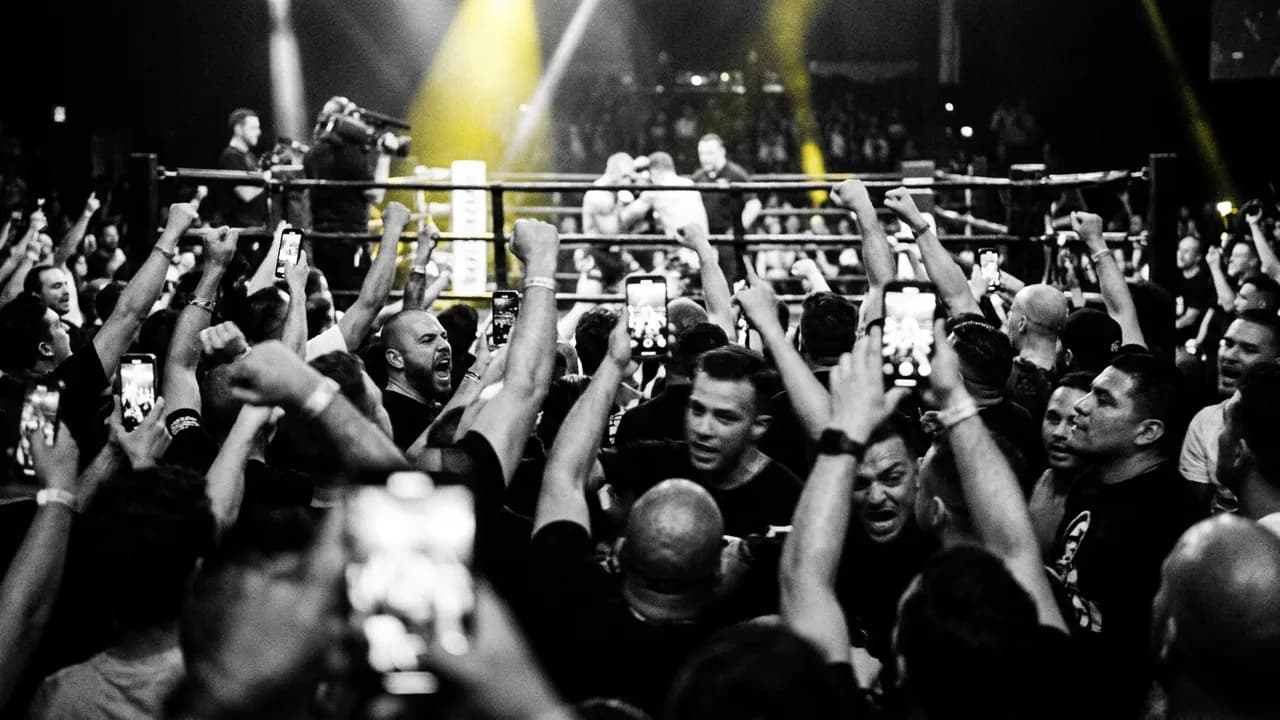
BKFC has held events in the Phoenix metropolitan area and has drawn fighters from Arizona's deep combat sports community. The promotion's bare knuckle format resonates strongly in a region where boxing has always been the dominant combat sport and where the Mexican tradition of fighting without complaint -- aguantar -- is a cultural value. Phoenix-area fighters have appeared on BKFC cards, bringing the toughness and technical boxing skill that the promotion values.
The Desert Underground
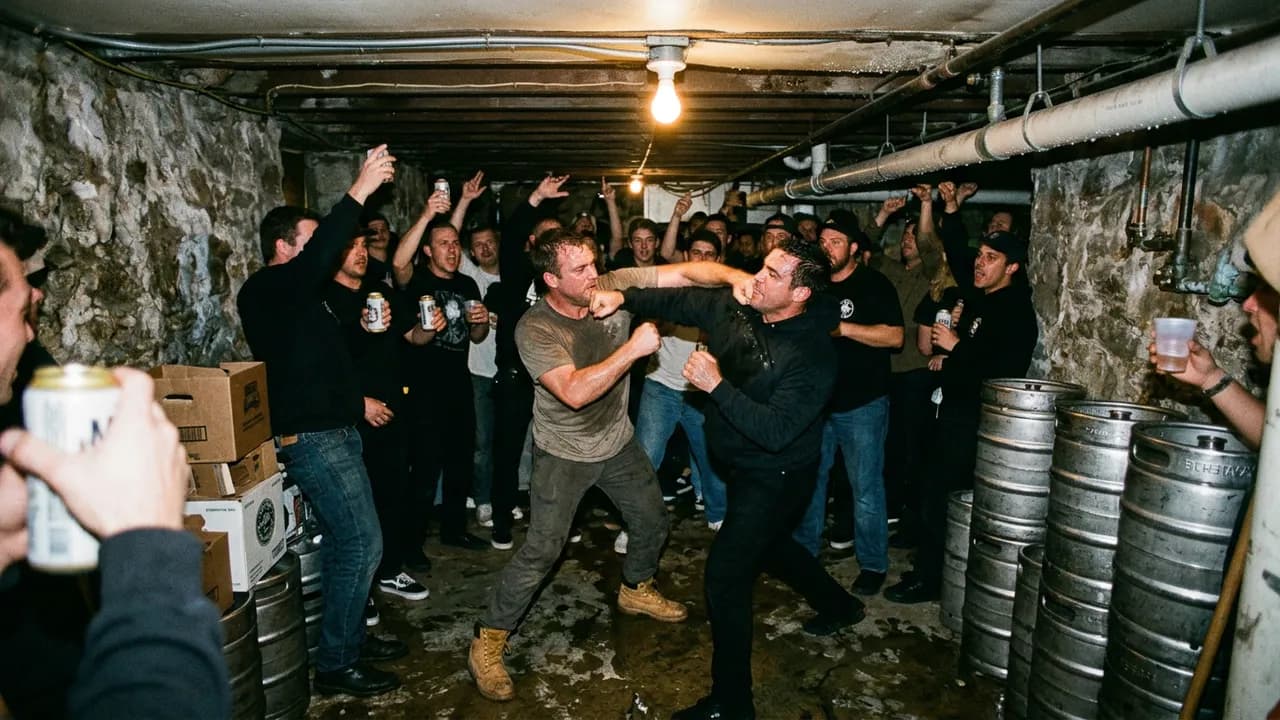
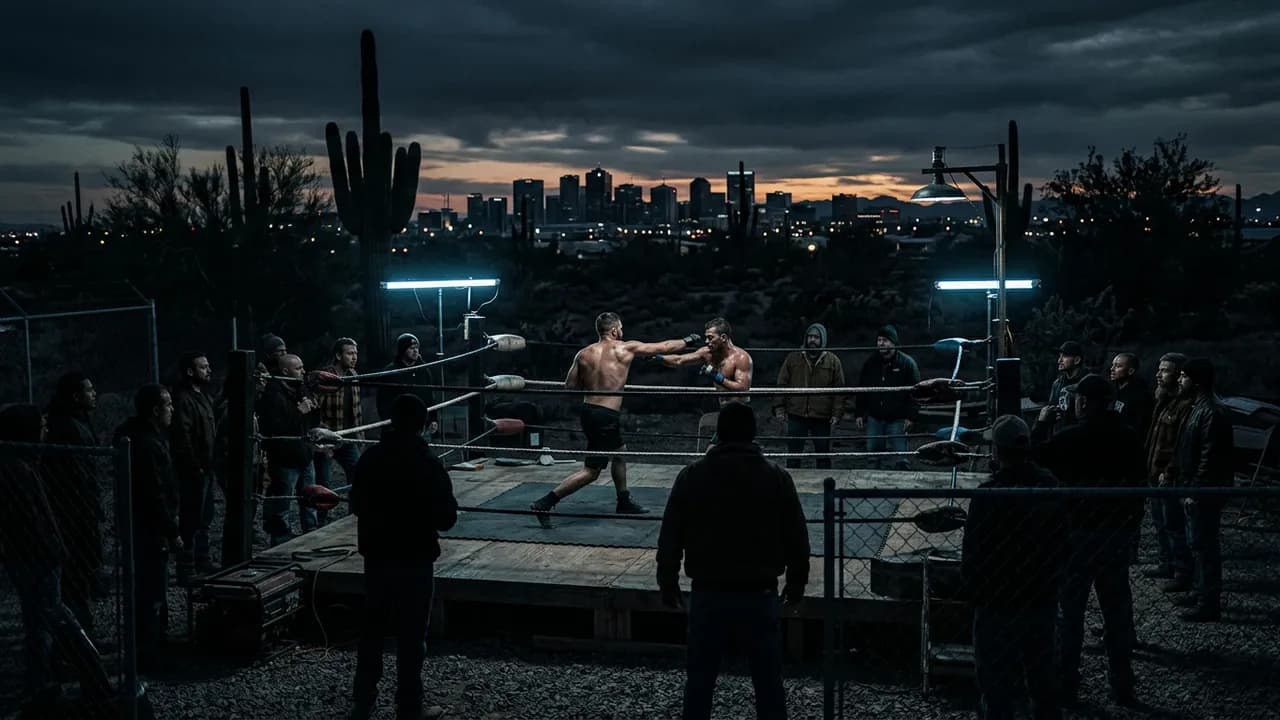
Phoenix's unsanctioned fighting scene operates in the spaces that the desert provides. Warehouse lots in south Phoenix, empty parcels in the outer suburbs, and private properties in the surrounding desert communities have all served as venues for informal fighting events. These events range from organized backyard boxing to more chaotic encounters that approximate street fighting with minimal rules.
The Hispanic community's fighting traditions shape these events. Boxing is the default format, reflecting the cultural primacy of the sport in Mexican-American communities. Fighters wear gloves more often than not, and there is typically a referee of some kind, even if the regulatory framework is informal. The events serve social functions beyond entertainment -- they settle disputes, establish hierarchies, and provide a stage for young men to demonstrate the kind of physical courage that their communities respect.
MMA and Gym Culture
Phoenix's MMA scene has grown substantially, with multiple high-level gyms training fighters for the UFC, Bellator, and regional promotions. The city's dry climate and relatively low cost of living have attracted fighters from across the country, creating a concentration of combat sports talent. The relationship between the professional gym scene and the underground is indirect but real -- skills developed in professional training environments filter into the informal fighting world through fighters who compete in both arenas.
Notable Fighters
Phoenix has produced fighters who have competed at the highest levels of professional boxing and MMA. The city's Mexican-American boxing tradition has generated champions and contenders across multiple weight classes. In MMA, the concentration of gyms in the Scottsdale and Tempe areas has produced UFC and Bellator veterans.
The underground scene's notable figures are known locally rather than nationally, their reputations built in the backyard events and warehouse shows that characterize Phoenix's informal fighting world. The connection to the Mexican fighting scene means that some of these fighters also compete on unsanctioned cards across the border, where the tradition of informal boxing is even more deeply rooted.
Legal Status
Arizona regulates professional and amateur combat sports through the Arizona Boxing and MMA Commission. Sanctioned events require licensing, insurance, and medical oversight. The state has licensed bare knuckle boxing events, allowing BKFC to operate legally.
Unsanctioned fighting occupies the familiar grey area. Arizona has no mutual combat statute (no state does), meaning that street fighting can result in assault charges. However, enforcement against organized backyard events is inconsistent, particularly when events take place on private property in the more remote areas of the metropolitan region. The sheer scale of the Phoenix metro area -- which sprawls across hundreds of square miles of desert -- means that informal fighting events can operate with relative anonymity.
How to Get Involved
Phoenix offers numerous pathways into combat sports. The city's boxing gyms, many of which cater specifically to the Hispanic community, provide affordable training in the traditional Mexican boxing style. MMA gyms in Scottsdale, Tempe, and central Phoenix offer training across disciplines.
BKFC events in the Southwest are announced through bkfc.com, and the promotion actively recruits fighters from the Phoenix area. USA Boxing amateur competitions are held regularly in Arizona, providing structured competitive opportunities.
The informal scene is accessible through social media networks and through the boxing gyms that serve as community hubs in south Phoenix and Mesa. Building connections within these communities is the most reliable path to the underground events that operate beneath the sanctioned surface.
Related Cities
- Los Angeles -- Closest major fight city with shared Mexican-American boxing traditions
- Houston -- Fellow Sun Belt city with deep Hispanic fighting culture
- Las Vegas -- Fight capital of the world, just a few hours northwest
- Denver -- Regional competitor with its own growing combat sports scene