Texas legalized regulated bare-knuckle boxing in 2022, with events licensed by the Texas Department of Licensing and Regulation (TDLR) Combative Sports program. That changes the picture compared with states that still ban it: in Texas, the closest thing to a legal "bare-knuckle fight near me" is a sanctioned card you can buy a ticket to. Unsanctioned prizefighting, the genuinely underground end, remains illegal across the state. This page covers the legal route first, then describes the documented underground scene and how people actually make contact, with the safety framing this subject requires.
The legal reality first
Texas runs combat sports through TDLR Combative Sports, which licenses boxing, MMA, and, since 2022, bare-knuckle boxing. Sanctioned bare-knuckle events in Texas require licensed fighters, pre-fight medicals, a ringside physician, and approved hand wrapping, the same safeguards that apply to regulated bare-knuckle in the 30-plus states that now permit it. Texas is a major market for the sport, and national promotions have run cards there.
Anything outside that framework is a different matter. An unsanctioned prizefight, a fight for money or prizes held without a TDLR license, is unlawful. Organizers face penalties for running an unlicensed event, and a fight that causes serious injury can draw assault charges regardless of mutual consent. Texas, like most states, does not extend a broad consent defense to fights that risk serious bodily harm. So the "underground" in Texas is genuinely underground; the legal demand has largely been absorbed by the sanctioned circuit.
Where the documented scene exists
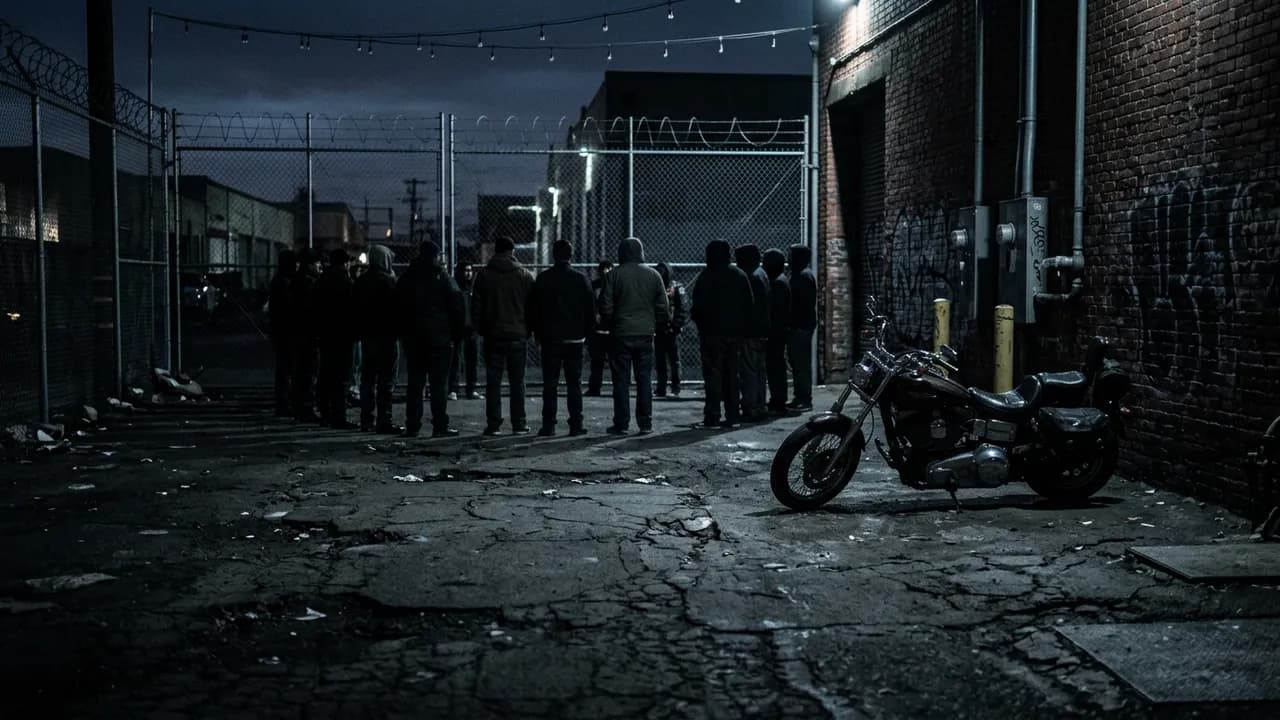
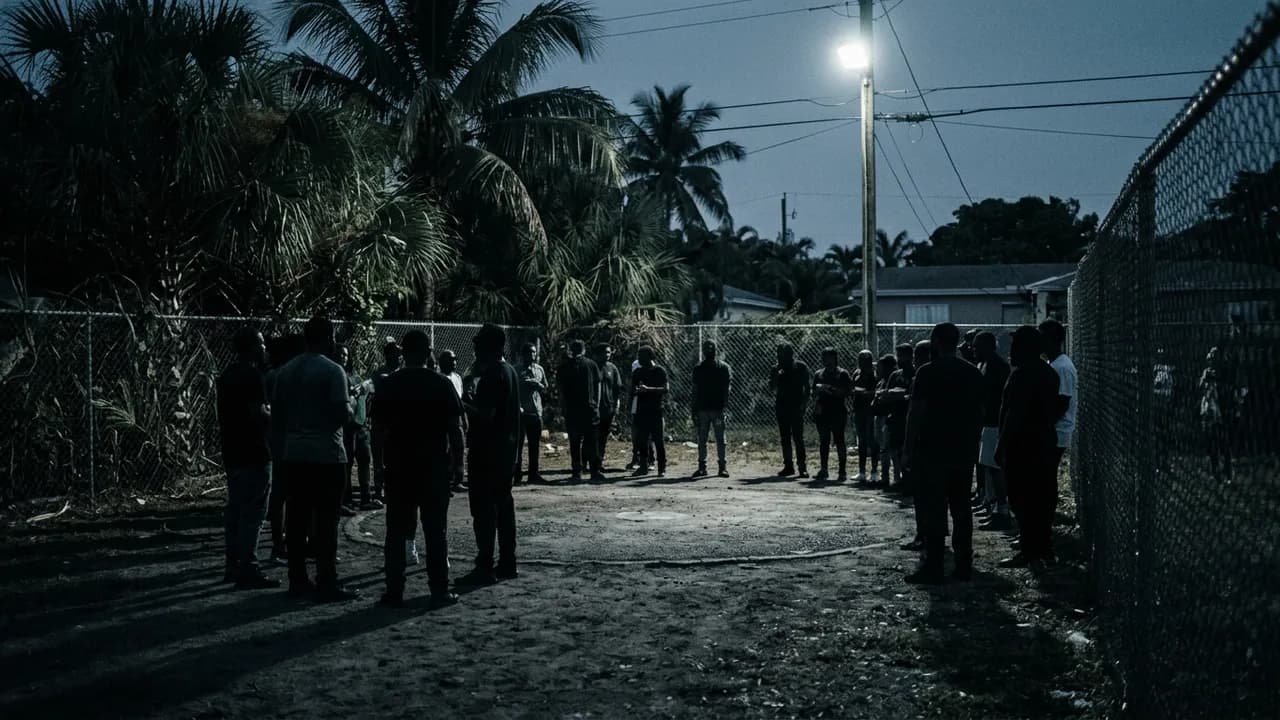
Texas has a long backyard-boxing and street-fight tradition, particularly in and around Houston, Dallas-Fort Worth, San Antonio, and the border cities. Houston in particular has appeared in coverage of American backyard fighting going back years, and the state's broader car-and-combat culture feeds informal events. None of these operate as advertised public venues. They surface as filmed clips after the fact, or as invite-only gatherings inside existing social circles.
Texas does not have a single nationally documented club on the scale of California's East Bay Rats or Florida's early bare-knuckle promotions. What it has instead is a diffuse network of backyard and parking-lot events, plus a healthy sanctioned scene that gives anyone serious about bare-knuckle a legal alternative.
How people actually find fights
There is no directory and no ticket window for an illegal fight. People who end up in Texas's informal scenes arrive through:
- Gyms and trainers. Boxing and MMA gyms are the usual social bridge. Fighters who want to compete legally find sanctioned cards through their coaches; those drawn to the off-the-books version usually hear about it the same way.
- Local communities and online groups. Neighborhood crews, car clubs, and regional social-media groups carry word of backyard events. These are closed circles built on prior trust.
- Sanctioned promotions' channels. For the legal route, TDLR-licensed bare-knuckle and MMA promotions publish their events openly. That is the only door that is actually open to the public.
Anyone advertising paid illegal fights openly should be treated with suspicion, both for safety and because the event is unlawful.
A note on safety
The reason Texas built a licensing path is that unsanctioned fights have none of the protections that make combat sport survivable: no pre-fight medicals, no weight matching, no ringside physician, no insurance, no commission oversight. Because Texas now licenses bare-knuckle boxing, the trade-off is sharper here than in ban states. Someone who wants the bare-knuckle experience can pursue it legally, with medical safeguards and a referee, rather than in a parking lot with none.
FAQ
Is bare-knuckle boxing legal in Texas? Yes, when sanctioned. Texas legalized regulated bare-knuckle boxing in 2022 under TDLR Combative Sports. Unsanctioned bare-knuckle prizefights remain illegal.
Where can I watch a legal bare-knuckle fight in Texas? Through TDLR-licensed promotions, which announce events publicly and sell tickets. National bare-knuckle promotions have run cards in Texas markets.
Is it legal to organize a backyard fight in Texas? Not as a prizefight. Holding a fight for money or prizes without a TDLR license is unlawful, and a serious injury can expose organizers to assault-related charges.