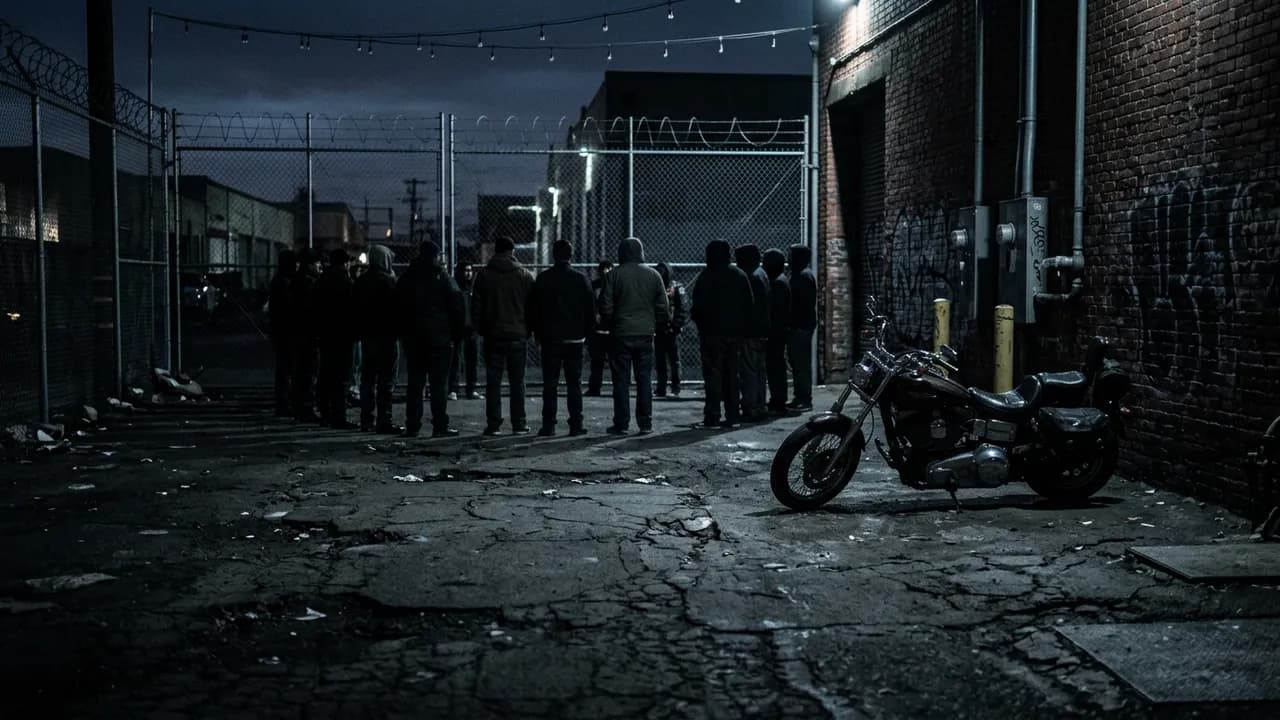
Florida legalized regulated bare-knuckle boxing in 2019 under the state Department of Business and Professional Regulation (DBPR) Boxing Commission, and it has since become one of the larger sanctioned bare-knuckle markets in the country. Florida is also the place where the modern backyard-boxing-to-bare-knuckle pipeline began: Miami's informal scene produced BKB, founded in 2015 by Dada 5000 and Mike Vazquez. So the Florida story is unusual, an underground tradition that partly grew up into a licensed sport. This page covers the legal reality, the Miami roots, and how people actually find fights, with the safety framing the subject demands.
The legal reality first
Florida regulates combat sports through the DBPR Boxing Commission, which licenses boxing, MMA, kickboxing, and, since 2019, bare-knuckle boxing. Sanctioned bare-knuckle events in Florida require licensed fighters, pre-fight medical exams, a ringside physician, and approved hand wrapping. Florida being an early adopter and a large media market, the state hosts a steady stream of regulated cards, and national bare-knuckle promotions treat it as a core market.
Unsanctioned prizefighting is a separate, illegal category. A fight for money or prizes held without a DBPR license is unlawful, organizers can face penalties for running an unlicensed event, and a fight producing serious injury can draw assault charges regardless of mutual consent. Florida does not provide a broad consent defense for fights that risk serious bodily harm. As in Texas, much of the demand that once fed the underground now has a legal outlet.
The Miami roots
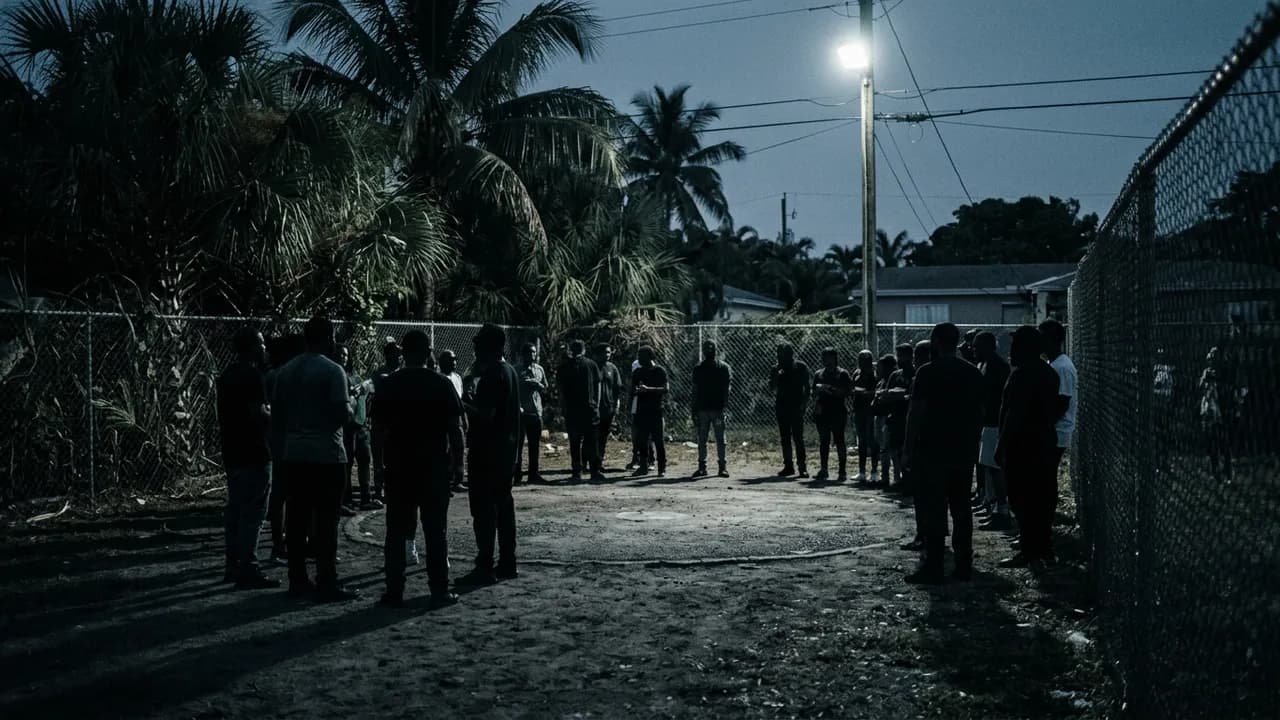
Florida's place in this story is specific. In the late 2000s and early 2010s, a backyard fighting scene grew in the Miami area, most famously in the yard of Dhafir "Dada 5000" Harris, who organized amateur fights that drew large local crowds and eventually national attention. That scene was the seedbed for BKB Bare Knuckle Boxing, the promotion Dada 5000 launched with Mike Vazquez in 2015, fought in a triangular ring known as "the Trigon." BKB represents the through-line from raw backyard fighting to a branded bare-knuckle product, and it is part of why Florida moved early to regulate the sport.
That history matters for anyone searching today: the Miami backyard era is largely past, absorbed into the sanctioned circuit and into the broader national bare-knuckle business. The genuinely hidden, no-rules end still exists in pockets, but it is not the public, crowd-drawing phenomenon it briefly was.
How people actually find fights
There is no directory or ticket window for an illegal fight. People who end up in Florida's informal scenes arrive through:
- Gyms and trainers. Boxing and MMA gyms are the social bridge, and they are also the on-ramp to sanctioned bare-knuckle for fighters who want to compete legally.
- Local communities and online groups. Neighborhood crews and regional social-media groups carry word of backyard events, inside closed circles built on prior trust.
- Sanctioned promotions' channels. For the legal route, DBPR-licensed bare-knuckle and MMA promotions publish events openly and sell tickets. That is the only door genuinely open to the public.
Anyone advertising paid illegal fights openly should be treated with suspicion, both for safety and because the event is unlawful.
A note on safety
Unsanctioned fights have none of the protections that make combat sport survivable: no pre-fight medicals, no weight matching, no ringside physician, no insurance, no commission oversight. Because Florida licenses bare-knuckle boxing, the choice is unusually clear. Someone who wants the bare-knuckle experience can pursue it legally, with a referee and medical safeguards, rather than in a backyard with none. The Miami scene's own history, including serious injuries documented in coverage of the early backyard era, is part of why the regulated path exists.
FAQ
Is bare-knuckle boxing legal in Florida? Yes, when sanctioned. Florida legalized regulated bare-knuckle boxing in 2019 under the DBPR Boxing Commission. Unsanctioned bare-knuckle prizefights remain illegal.
Is BKB still operating in Miami? BKB launched out of the Miami backyard scene in 2015. The branded promotion and the broader regulated bare-knuckle market have largely replaced the open backyard events that once drew crowds.
Can I organize a backyard fight in Florida? Not as a prizefight. Holding a fight for money or prizes without a DBPR license is unlawful, and a serious injury can expose organizers to assault-related charges.