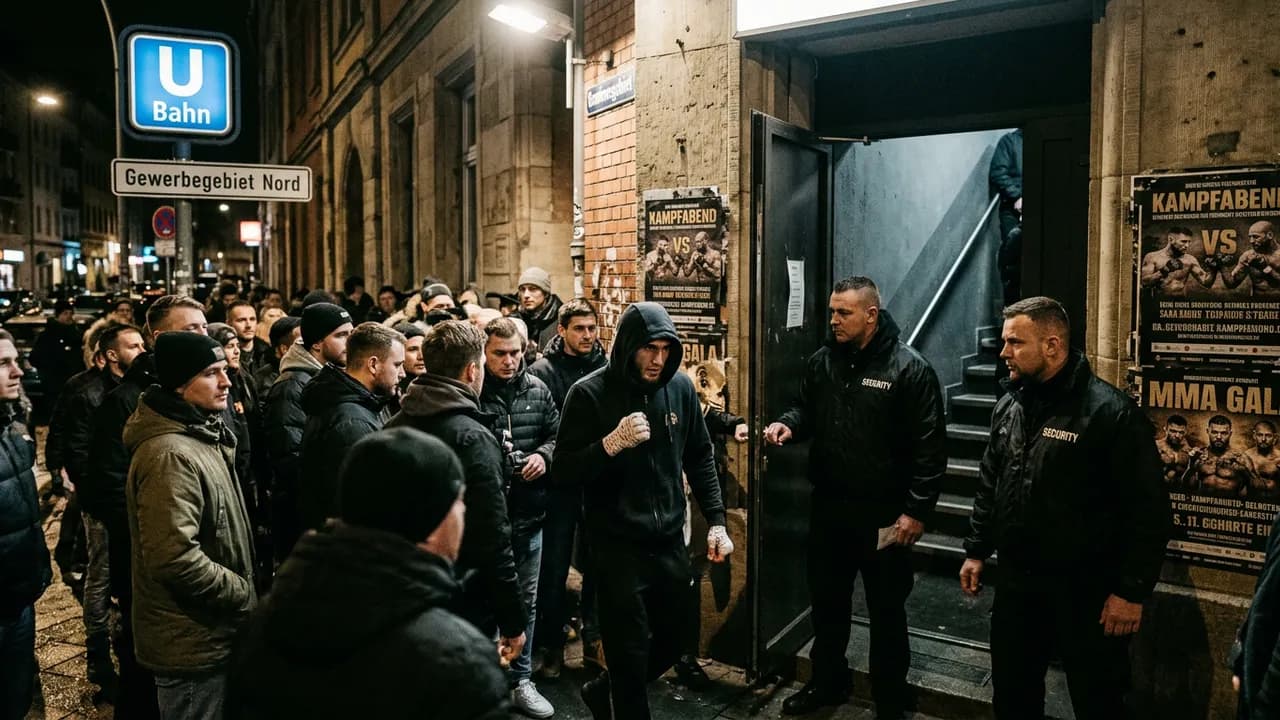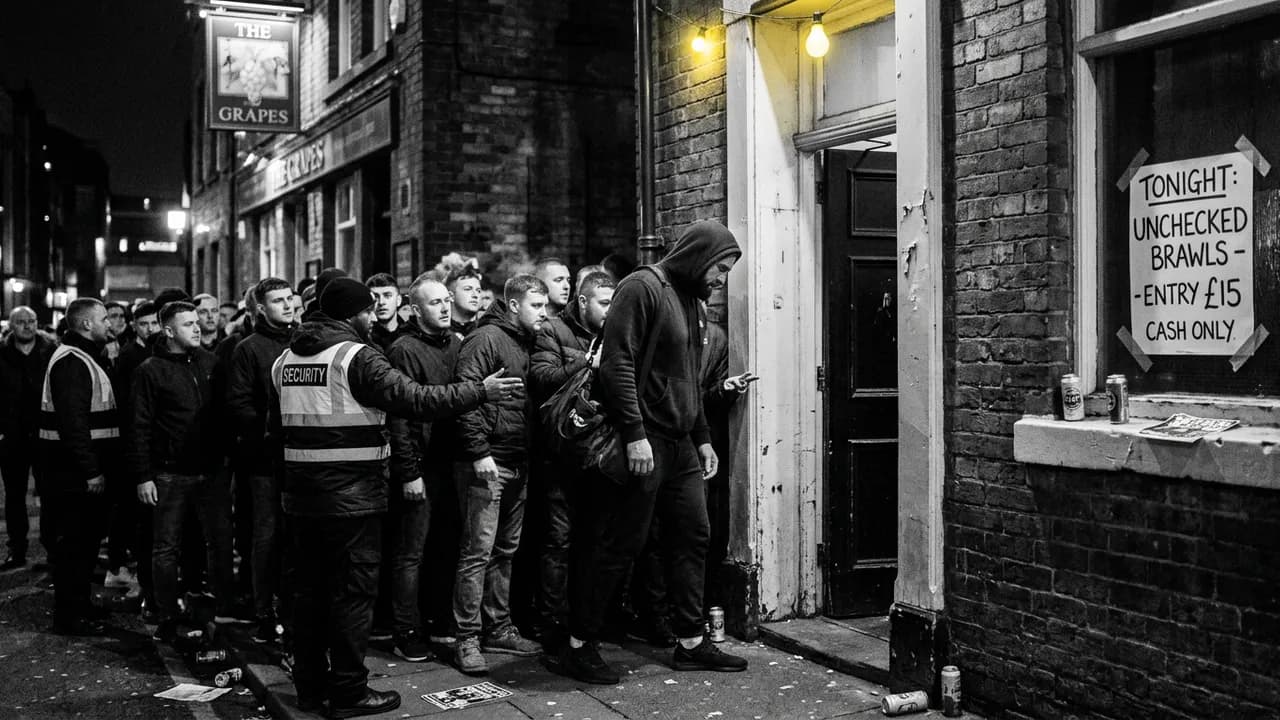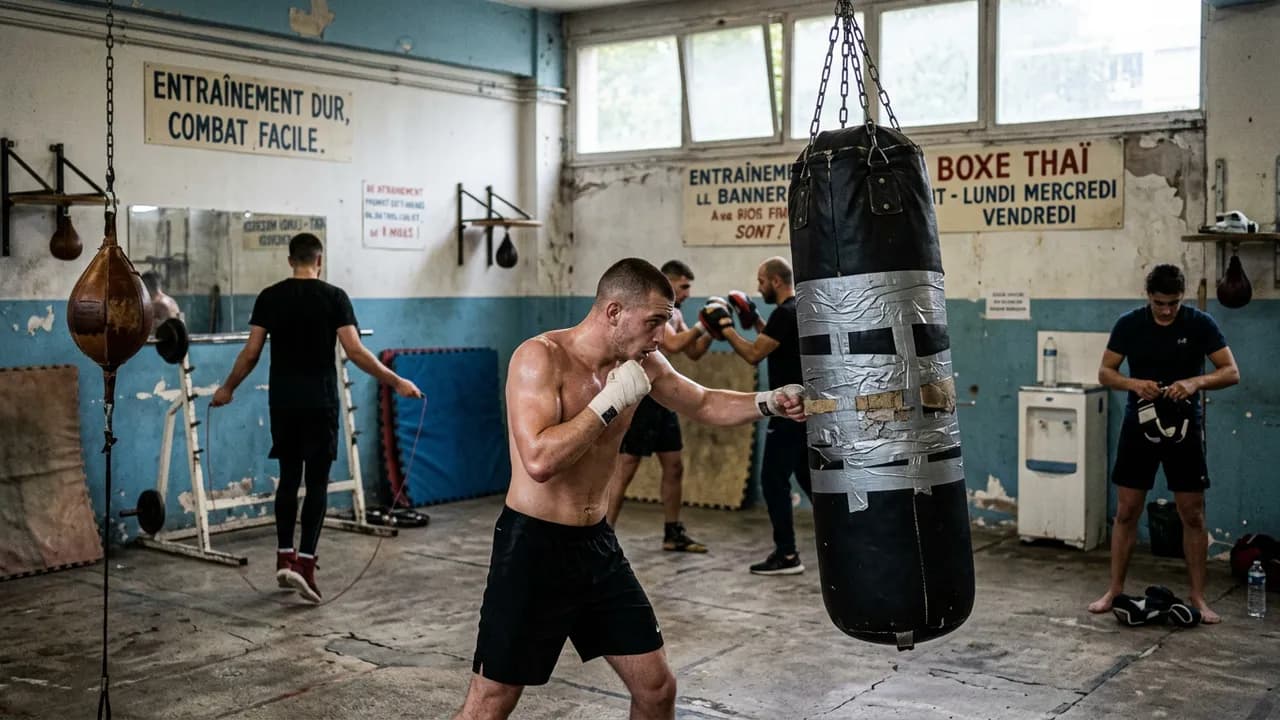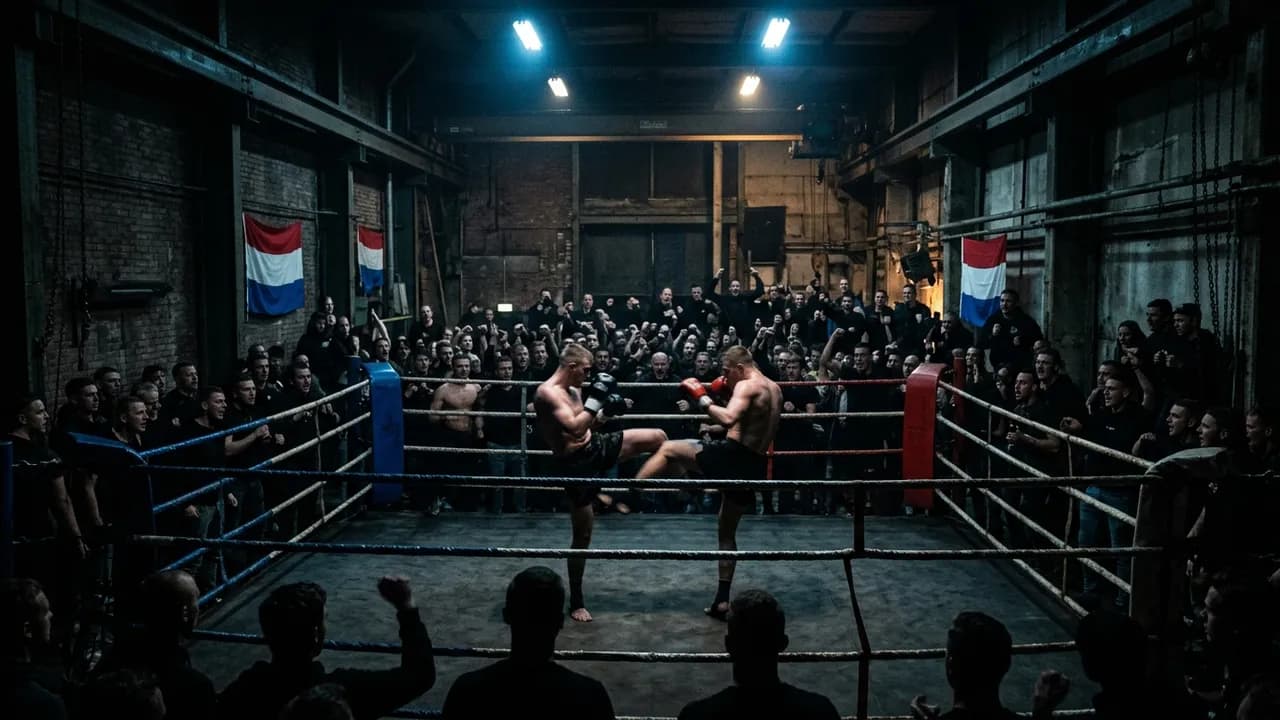
The Netherlands punches far above its weight in global combat sports. This small nation has produced more elite kickboxers per capita than any country on earth, and Dutch kickboxing is recognized worldwide as one of the most devastating striking systems ever developed. Behind the polished Glory events and sanctioned tournament circuits, a raw underground scene thrives in Amsterdam, Rotterdam, and The Hague, fueled by a multicultural fighting culture that draws from Dutch, Surinamese, Moroccan, and Turkish traditions.
History
Dutch kickboxing was born in the 1970s when pioneers like Jan Plas and Tom Harinck began blending Japanese karate and Kyokushin with Western boxing and Muay Thai. Gyms like Mejiro and Chakuriki became legendary training grounds, producing fighters who dominated international kickboxing for decades. Names like Rob Kaman, Ernesto Hoost, Peter Aerts, and Semmy Schilt became household names across the fighting world.
This golden age of Dutch striking created a deep fighting culture that permeated working-class neighborhoods. In cities with large immigrant populations, fighting gyms became community anchors. Moroccan-Dutch, Surinamese-Dutch, and Turkish-Dutch communities embraced kickboxing as both sport and cultural identity. The gym became a place of integration, discipline, and social mobility.
The underground scene evolved naturally from this saturated fighting culture. With so many trained fighters and so much passion for combat sports, unsanctioned events became common in warehouse districts, community centers, and private venues across the country. Amsterdam's red-light district and industrial waterfront areas have hosted underground fight nights for decades, while Rotterdam's south side and The Hague's Schilderswijk neighborhood maintain their own circuits.
Active Organizations
- Glory Kickboxing - The Netherlands' premier sanctioned kickboxing promotion and arguably the world's best. Based in the Netherlands with global events.
- Amsterdam Fight Night - A semi-sanctioned event series that bridges the gap between underground and professional, featuring up-and-coming Dutch kickboxers.
- De Kelder Fights - An underground promotion operating in Amsterdam's warehouse district, known for raw, no-frills kickboxing and MMA events.
- Rotterdam Underground - A loose collective organizing unsanctioned bouts in Rotterdam's industrial zones, drawing fighters from the city's diverse communities.
- Haagse Straat Fights - The Hague's street fighting scene, organized through social media and featuring fighters from the city's multicultural neighborhoods.
Notable Fighters
- Rico Verhoeven - Glory heavyweight champion and the face of Dutch kickboxing, representing the pinnacle of the sanctioned system that the underground feeds into.
- Badr Hari - The Moroccan-Dutch superstar whose career bridged street credibility and professional glory, embodying the connection between underground culture and elite competition.
- Jamal Ben Saddik - Another Moroccan-Dutch heavyweight who rose from the rough neighborhoods of Rotterdam to become a Glory title contender.
- Nieky Holzken - A Dutch striking specialist who competed in both kickboxing and bare-knuckle formats, crossing between sanctioned and unsanctioned worlds.
- Underground legends - The Dutch underground scene has produced fighters known only by gym nicknames, whose reputations live in local gyms and fight circles.
Legal Status
The Netherlands has a relatively permissive approach to combat sports. Professional kickboxing, MMA, and boxing are legal and regulated, with the Dutch Boxing Federation and various athletic authorities overseeing sanctioned events. The country's pragmatic legal culture means that smaller unsanctioned events often operate without interference.
However, organized unsanctioned fighting can theoretically lead to charges of assault or operating an unlicensed event. Police in Amsterdam and Rotterdam have occasionally shut down larger underground events, particularly when they draw attention through noise complaints or public disturbance. The Dutch approach tends toward tolerance of smaller events while cracking down on anything that creates public safety concerns.
The connection between fighting gyms and organized crime has drawn law enforcement scrutiny in recent years, with some underground events linked to drug networks and money laundering operations. This has led to increased police attention on the underground scene, particularly in Amsterdam and Rotterdam.
How to Get Involved
- Gyms - Training at established Dutch kickboxing gyms is the essential first step. Legendary facilities like Mike's Gym (Amsterdam), Vos Gym (Amsterdam), and Team Hari (Rotterdam) are the heart of the culture.
- Amateur tournaments - The Netherlands has an extensive amateur kickboxing tournament circuit. Competing in sanctioned amateur events builds skills, reputation, and connections.
- Community connections - Many underground events are organized through community networks in multicultural neighborhoods. Training at local gyms and building relationships is key.
- Social media - Dutch fight content creators on YouTube and Instagram document both sanctioned and unsanctioned events. Following these channels provides leads on upcoming underground events.
FAQ
Is underground fighting legal in the Netherlands?
Sanctioned kickboxing, boxing, and MMA are fully legal in the Netherlands. Unsanctioned fighting events are technically illegal and can result in assault charges or event shutdowns. However, the Dutch approach to enforcement is generally pragmatic, with smaller events often tolerated while larger or disruptive events face police intervention. The connection between some underground events and organized crime has increased law enforcement scrutiny.
Where can I watch Dutch underground fights?
Glory kickboxing events are broadcast internationally and streamed on various platforms. Underground Dutch fight content circulates on YouTube, Instagram, and TikTok, with Dutch-language channels documenting the scene. Some underground promotions share event footage through private Telegram and WhatsApp groups. Documentaries like "De Wereld van Kickboksen" have also explored the underground side of Dutch fighting culture.