The Association of Boxing Commissions and Combative Sports (ABC) has approved a unified set of rules for bare knuckle boxing, establishing standardized regulations that will apply across all U.S. jurisdictions that sanction the sport. The decision, years in the making, represents the most significant regulatory milestone in bare knuckle fighting's modern history and removes one of the last barriers to the sport's full mainstream acceptance.
Prior to the unified rules, bare knuckle boxing operated under a patchwork of state-level regulations that varied significantly from jurisdiction to jurisdiction. Weight classes, round lengths, permitted techniques, medical requirements, and referee protocols all differed depending on where an event was held. The unified rules replace this inconsistency with a single, comprehensive framework.
What the Unified Rules Cover
Weight Classes
The unified rules establish ten weight classes for bare knuckle boxing, matching the divisions used in professional boxing:
| Division | Weight Limit |
|---|---|
| Strawweight | 115 lbs |
| Flyweight | 125 lbs |
| Bantamweight | 135 lbs |
| Featherweight | 145 lbs |
| Lightweight | 155 lbs |
| Welterweight | 170 lbs |
| Middleweight | 185 lbs |
| Light Heavyweight | 205 lbs |
| Cruiserweight | 225 lbs |
| Heavyweight | 265 lbs |
Round Structure
- Championship fights: 5 rounds, 2 minutes each
- Non-championship fights: 5 rounds, 2 minutes each (commissions may approve 3-round bouts)
- Rest periods: 1 minute between rounds
The two-minute round duration -- shorter than boxing's three-minute rounds -- reflects the increased damage potential of bare fist strikes and the sport's higher finish rate. The standardized five-round format ensures consistency across events and jurisdictions.
Permitted and Prohibited Techniques
Permitted:
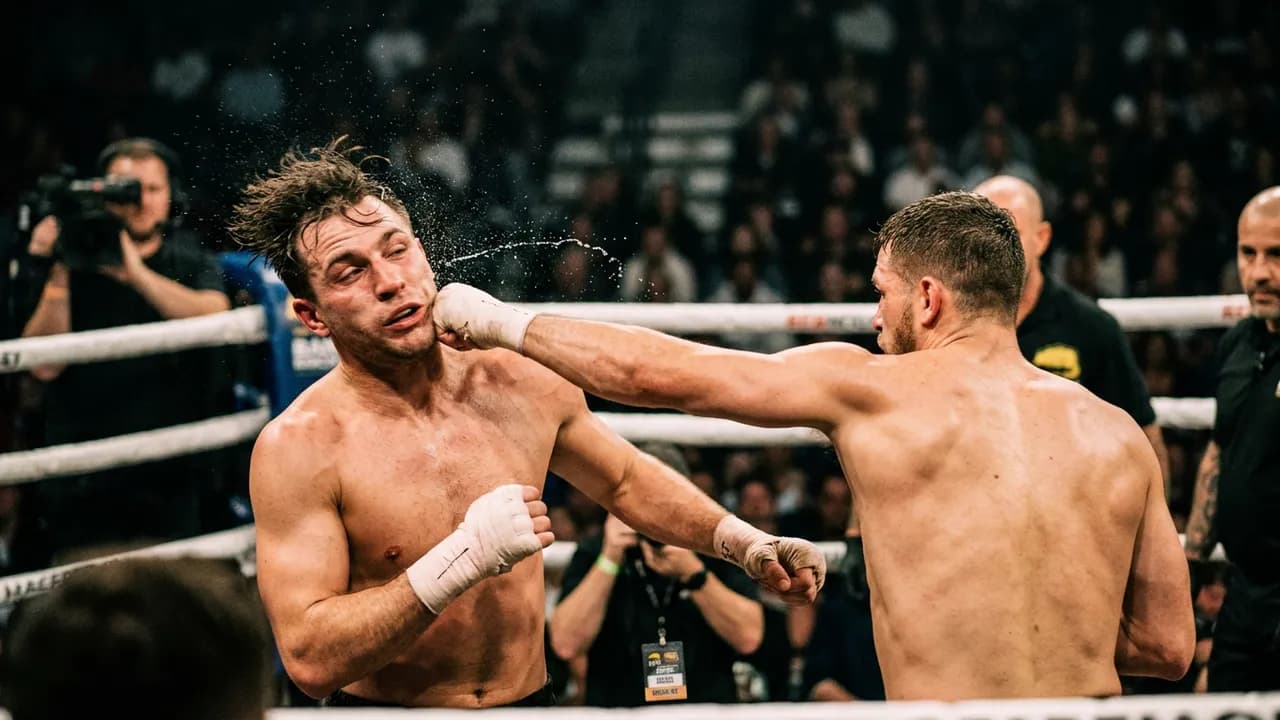
- Punches to the head and body (above the belt)
- Spinning backfists
- Clinch striking (with immediate break on referee's command)
Prohibited:
- Kicks, knees, elbows, and headbutts
- Strikes to the back of the head, spine, or groin
- Holding and hitting (sustained clinch offense)
- Biting, eye gouging, or any foul common to boxing regulations
- Intentional use of the wrist or forearm as a striking weapon
Hand Wrapping
The unified rules prohibit boxing-style hand wrapping. Fighters may use only a thin layer of athletic tape on the wrists for joint support, with no tape permitted over the knuckles. This regulation preserves the essential character of bare knuckle boxing -- the bare fist as the striking weapon -- while allowing minimal joint protection.
Medical Requirements
The unified rules establish comprehensive medical protocols:
- Pre-fight medical examination by a licensed physician within 24 hours of the event
- Ringside physician present throughout the event with authority to stop fights
- Mandatory post-fight medical evaluation for all fighters
- Medical suspension periods following knockouts or significant injuries
- Brain imaging requirements (MRI or CT scan) at regular intervals for active fighters
- Minimum age of 18 for all competitors
Why It Matters
For Promotions
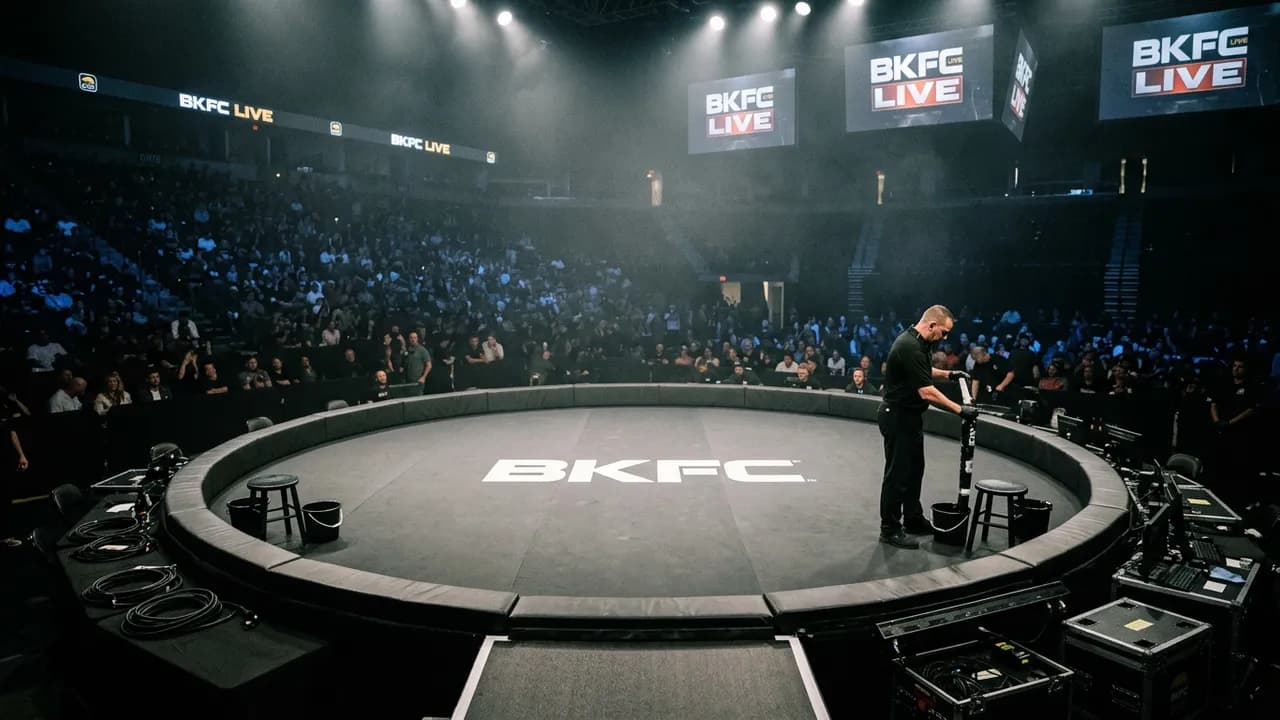
Unified rules create regulatory predictability that allows promotions like BKFC to plan events across multiple states without navigating different rule sets in each jurisdiction. This standardization reduces compliance costs, simplifies fighter contracts, and ensures that competitive outcomes are comparable across events regardless of location.
For Fighters
Fighters benefit from knowing that the rules are consistent regardless of where they compete. Training camps can focus on a single rule set rather than adapting to jurisdiction-specific variations. Medical protections are standardized at the highest level, ensuring that fighter safety is not dependent on which state hosts the event.
For the Sport
The ABC's approval of unified rules is an implicit endorsement of bare knuckle boxing as a legitimate sport. The Association of Boxing Commissions is the same body that established the unified rules for MMA in 2000 -- rules that were instrumental in transforming MMA from a fringe spectacle into a regulated, mainstream sport. The parallel with bare knuckle boxing is intentional and significant.
The Path to Approval
The unified rules did not appear overnight. The process involved years of collaboration between athletic commissions, promoters, fighter representatives, and medical professionals. Key milestones included:
- 2018-2020: Early bare knuckle events regulated under modified boxing rules in individual states
- 2021-2023: ABC working group formed to study bare knuckle boxing and develop standardized regulations
- 2024: Draft unified rules circulated for comment among member commissions
- 2025: Revised rules incorporating feedback from commissions, promoters, and medical advisors
- 2026: Final approval by ABC membership vote
BKFC, as the largest bare knuckle promotion operating in the United States, was an active participant in the rule-development process. The promotion's data on fighter injuries, fight outcomes, and event operations informed many of the specific provisions in the unified rules.
Remaining Challenges
The unified rules do not solve every regulatory challenge facing bare knuckle boxing. Several states still do not sanction the sport at all, and the unified rules apply only to jurisdictions that choose to adopt them. International events operate under their own regulatory frameworks. And the question of long-term health effects -- particularly brain trauma from repeated bare fist impacts -- remains a subject of ongoing medical research.
But the unified rules represent a critical step forward. They provide the regulatory infrastructure that bare knuckle boxing needs to continue its growth trajectory, and they signal to the broader sports world that bare knuckle fighting is a regulated, legitimate, and professionally governed sport.
For more on bare knuckle regulation, see Underground Fighting Legal Landscape. For safety considerations, see Underground Fighting Injuries & Safety.