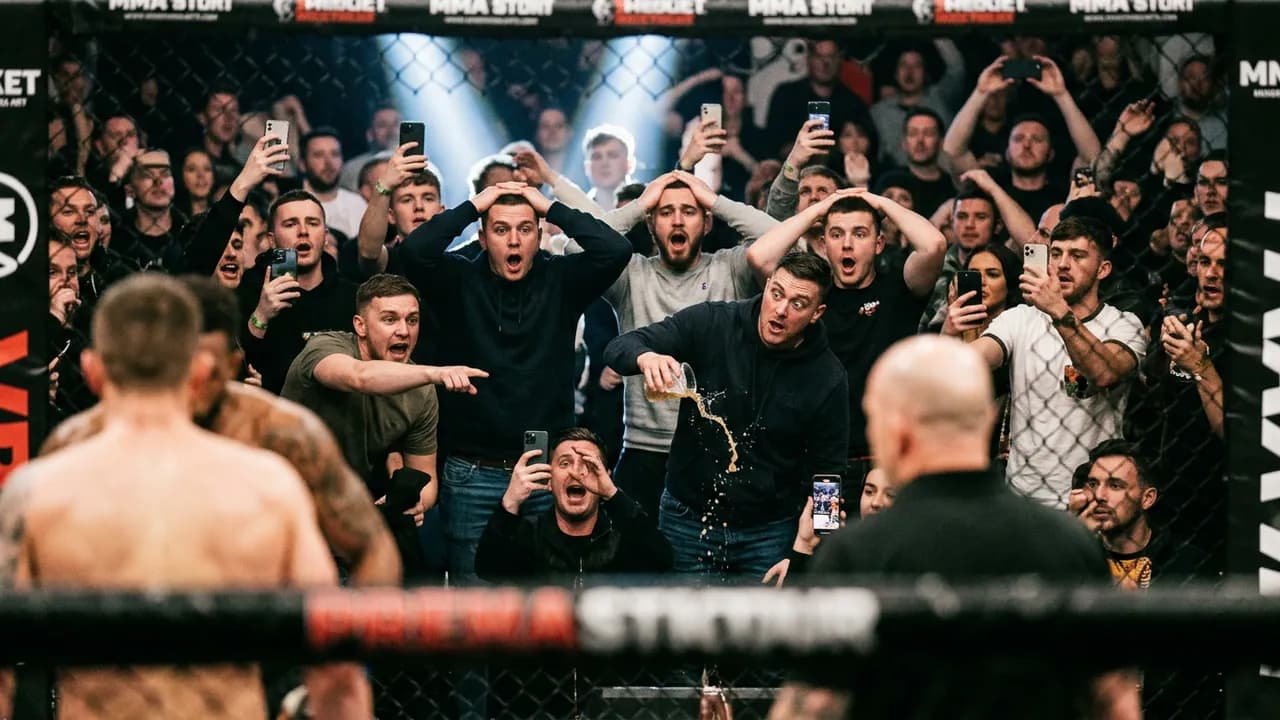
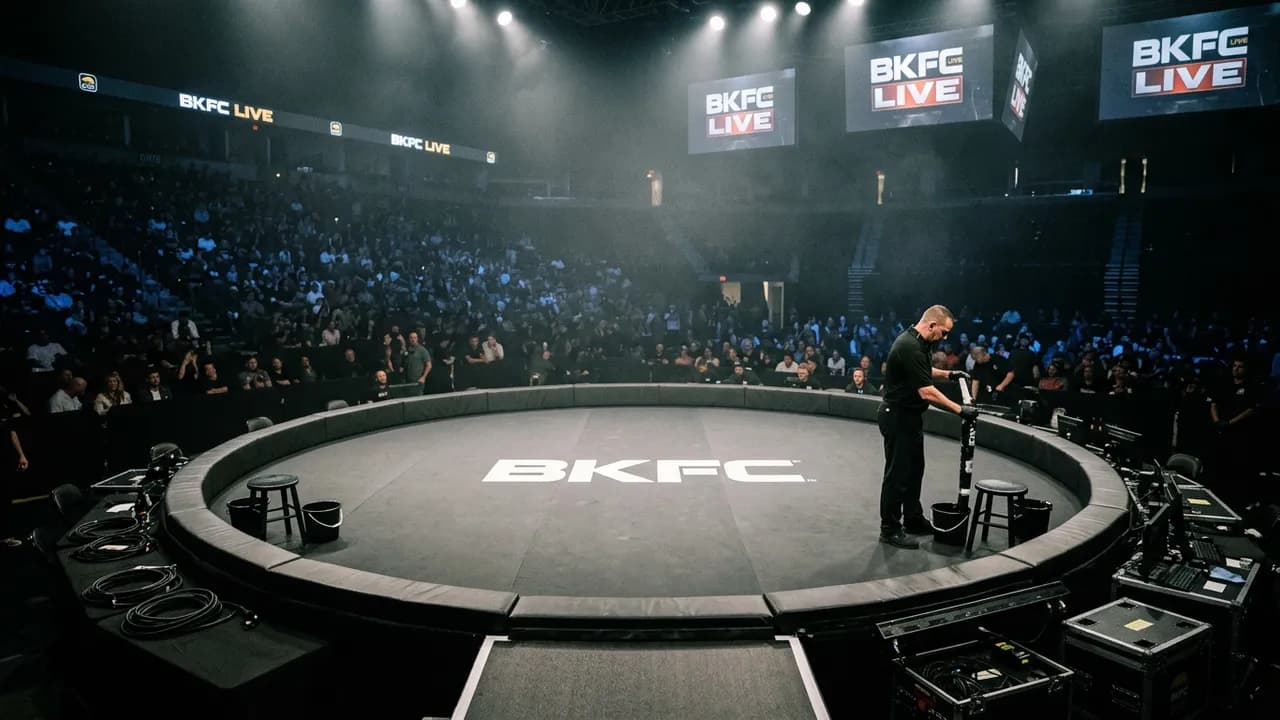
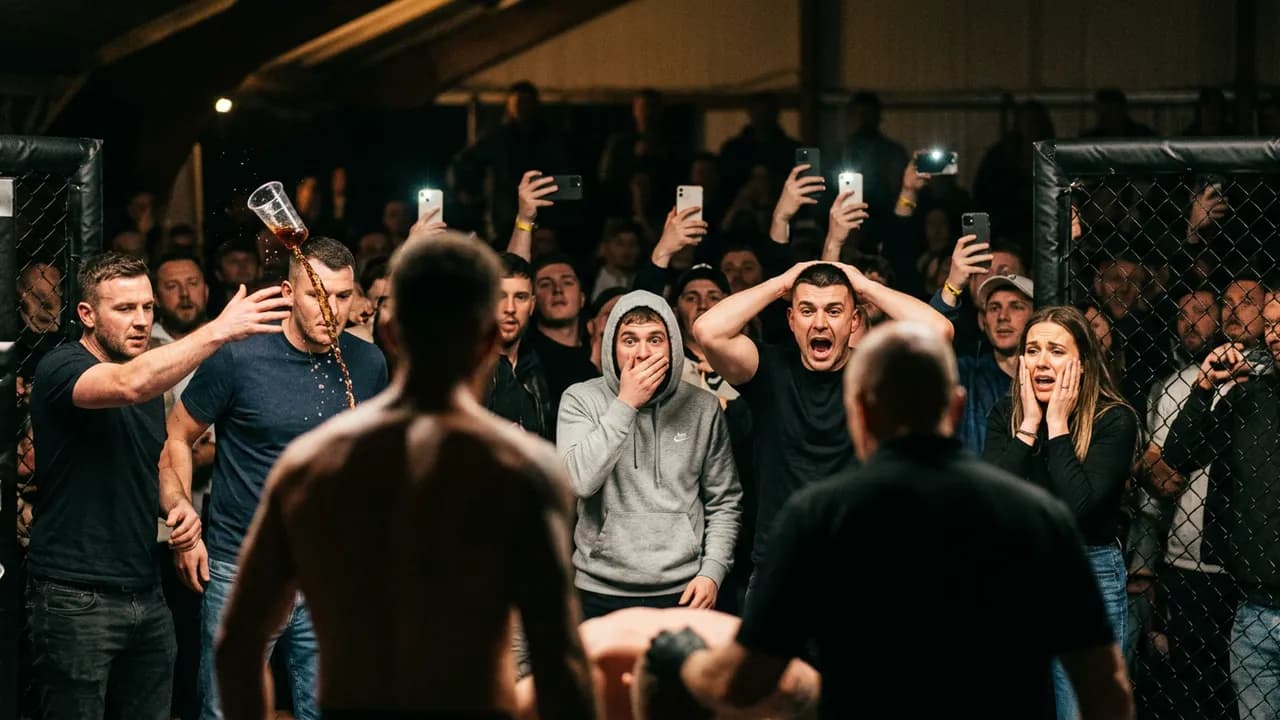
Gamebred Bareknuckle MMA's most notable fighters are best understood by their documented role and the era they competed in, not by precise records or purses. Founder Jorge Masvidal launched the promotion to merge mixed martial arts with bare-knuckle striking, and it has leaned on recognizable names from the wider MMA world rather than building anonymous talent. This ranking reflects that reality: it weighs how much a fighter shaped the promotion's identity, not a leaderboard that does not publicly exist.
How This List Was Built
There is no verified, continuously updated public roster or results archive for Gamebred Bareknuckle MMA. For that reason, this list does not assign win-loss records, finish counts, or purse figures to individual fighters. Instead it ranks competitors by four documented criteria:
- Role in the promotion's identity — whether the fighter headlined or defined a card.
- Era — early cards that established the bare-knuckle MMA format carry more weight.
- Crossover recognition — name value carried in from sanctioned MMA.
- Style fit — how well a fighter's documented striking or grappling base suited the no-glove format.
Where a fighter's contribution is widely reported, it is described in general terms. Where it is not, that gap is stated plainly. Nothing here invents a result.
The Promotion's Premise
Bare-knuckle MMA strips the padded glove from mixed martial arts. Without 4-ounce gloves, the hand is more fragile but the cut potential rises, and grappling exchanges change because there is no glove to grip or to protect the fingers. Masvidal, a longtime sanctioned MMA veteran known publicly for his striking pedigree, positioned the promotion as the violent endpoint of that logic. That premise — more than any single champion — is the promotion's defining feature.
For how it sits against the wider bare-knuckle landscape, see the Power Slap vs BKFC vs Gamebred comparison.
6. The Returning Veterans
A recurring archetype on Gamebred cards is the former sanctioned-MMA competitor seeking a second act in a rawer format. These fighters arrive with documented careers elsewhere and a built-in audience. Their ranking here reflects draw and recognition rather than any verified bare-knuckle result. Many appear on a single card and are not tracked further in any reliable public source, which is why they are grouped rather than individually credited with records.
5. The Grappling-Base Crossovers
Bare-knuckle MMA still allows takedowns and ground fighting, so competitors with a documented wrestling or jiu-jitsu base have a structural advantage the glove-free striking rules do not erase. Fighters who leaned on grappling to neutralize the cut-and-power threat represent one of the format's most distinct strategic identities. Specific outcomes for these matchups are not maintained in a verified archive and are therefore not stated.
4. The Pure Strikers
The fighters who drew the loudest reaction are the ones who treated the missing glove as an invitation to swing. Bare-knuckle rewards the fighter willing to trade, and the promotion's most-shared moments tend to come from striker-versus-striker pairings. These bouts built the format's reputation for fast, bloody finishes, even though the individual fighters behind them are not consistently documented across reliable public sources.
3. The Card-Anchoring Co-Mains
Every event needs a fight directly beneath the headliner to carry momentum, and the competitors filling that slot did real work for the promotion's identity. Their value is in pacing and reliability rather than fame. Because no public results database confirms their bare-knuckle records, they are ranked on documented role, not on wins.
2. The Headline Draws
Above the co-main sit the recognizable names brought in to sell the card. Gamebred's model depends on crossover recognition, and the fighters positioned at the top of its posters are the ones whose names traveled from sanctioned MMA. Naming any specific individual's record here would require a verified source that does not publicly exist, so their ranking rests on documented headline status alone.
1. Jorge Masvidal
The single most consequential figure attached to the promotion is its founder. Masvidal is a widely documented mixed martial artist whose public profile predates the bare-knuckle venture, and the promotion exists because of his name and direction. Whether or not he competes inside his own cage, his identity is what gives Gamebred Bareknuckle MMA its market position. He tops this list as the promotion's defining figure rather than as a ranked competitor.
Why Records Are Hard to Pin Down
Sanctioned mixed martial arts is exhaustively documented: commissions log results, and databases track every professional bout. Bare-knuckle MMA does not yet have that infrastructure in a single reliable public place. Events happen, footage circulates, and reputations form through clips rather than through a maintained ledger. That gap is the central reason this list refuses to attach win-loss numbers to anyone. A reputation built on a viral knockout clip is real as a phenomenon, but it is not the same thing as a verified record, and conflating the two is how misinformation spreads in this corner of the sport.
09 / Up next / What Bare-Knuckle Changes Tactically
It also explains why the most stable facts about the promotion are structural rather than personal: the founder, the format, the country of operation. Those can be stated with confidence. The shifting cast of competitors mostly cannot, and the honest move is to say so rather than fill the gap with invented names.
What Bare-Knuckle Changes Tactically
Removing the 4-ounce glove alters mixed martial arts in ways that shape which fighters thrive. The bare fist is more likely to break, so volume strikers risk their own hands; the exposed knuckle cuts faster, so a fight can be stopped on damage that gloves would have masked; and clinch and grappling exchanges shift because there is no glove to grip or to shield the fingers during scrambles. Fighters with heavy hands and short, structurally sound punches tend to fare better than busy point-strikers. Grapplers, meanwhile, gain a quieter advantage: takedowns and control time sidestep the cut-and-power lottery entirely. These tactical truths are documented features of the format and underpin the archetype-based ranking above, even where individual results are not publicly confirmed.
A Note on UFC Crossover
Bare-knuckle promotions have repeatedly drawn fighters with sanctioned-MMA backgrounds, and the broader pattern of UFC alumni moving into bare-knuckle competition is well documented across the sport. For the wider picture, see the roundup of every UFC fighter who went bare-knuckle. What is not reliably documented is a complete, verified Gamebred result for each crossover athlete, which is why this list describes roles instead of citing records that cannot be confirmed.
Frequently Asked Questions
Who founded Gamebred Bareknuckle MMA?
Jorge Masvidal, a longtime sanctioned mixed martial artist, founded the promotion in the United States to combine MMA with bare-knuckle striking.
Does Gamebred publish fighter records?
No reliable, continuously maintained public results archive exists for the promotion. For that reason this ranking avoids assigning specific win-loss records or purses to individual fighters.
How is this list ranked if there are no public records?
It ranks fighters by documented role, era, crossover recognition, and style fit — criteria that can be described without inventing results.
Is bare-knuckle MMA the same as bare-knuckle boxing?
No. Bare-knuckle MMA keeps takedowns, grappling, and the full MMA toolkit but removes the gloves, while bare-knuckle boxing like BKFC is striking only.
Why are some entries grouped instead of named individually?
Where no verified public source confirms a fighter's identity or result, this list groups them by archetype rather than fabricate a record.