When Paige VanZant revealed that she earned more in her first day on OnlyFans than in her entire UFC career, it exposed a financial reality that the combat sports industry had been ignoring. Fighters -- particularly women but increasingly men as well -- could monetize their public profiles on subscription platforms at rates that dwarfed their fight purses. The revelation has reshaped how fighters think about compensation, career planning, and the relationship between fighting and fame.
The Economics of Fighter Content Creation
Why OnlyFans Works for Fighters
Combat athletes possess several attributes that translate to subscription platform success:
- Built-in audience: Fight fans already follow these athletes on social media
- Physical fitness: Training produces physiques that generate subscriber interest
- Name recognition: Media coverage of fights drives platform discovery
- Narrative drama: The violence, risk, and spectacle of fighting creates compelling personal brands
- Authenticity: Fighters project toughness and realness that resonates with subscribers
The Numbers
While exact earnings are difficult to verify, reported and estimated figures paint a clear picture:
| Fighter | Fight Career Earnings | OnlyFans Earnings (Est.) | Platform Start |
|---|---|---|---|
| Paige VanZant | $1.2M (UFC) + $2M (BKFC) | $10M+ annually | 2020 |
| Tai Emery | $50K (BKFC) | $3-5M+ annually | 2022 |
| Rachael Ostovich | $200K (UFC/BKFC) | $1-3M annually | 2021 |
| Valerie Loureda | $100K (Bellator) | $1-2M annually | 2022 |
The disparity between fight earnings and content earnings is not subtle. It is an order of magnitude.
Case Study: Paige VanZant
VanZant's journey from UFC flyweight to multimedia brand is the template other fighters follow. After earning approximately $1.2 million across 12 UFC fights -- a period that included multiple injuries, grueling weight cuts, and years of full-time training -- she launched her OnlyFans in 2020.
The platform reportedly generated more revenue in 24 hours than her entire UFC career. By 2021, VanZant was earning an estimated $500,000 per month from subscriptions alone, not including tips, pay-per-view messages, and promotional partnerships.
Her move to BKFC was strategic: bare knuckle fighting kept her in the combat sports conversation, maintained her relevance as a fighter, and drove new subscribers to her content platforms. The fighting and the content creation became symbiotic.
Case Study: Tai Emery
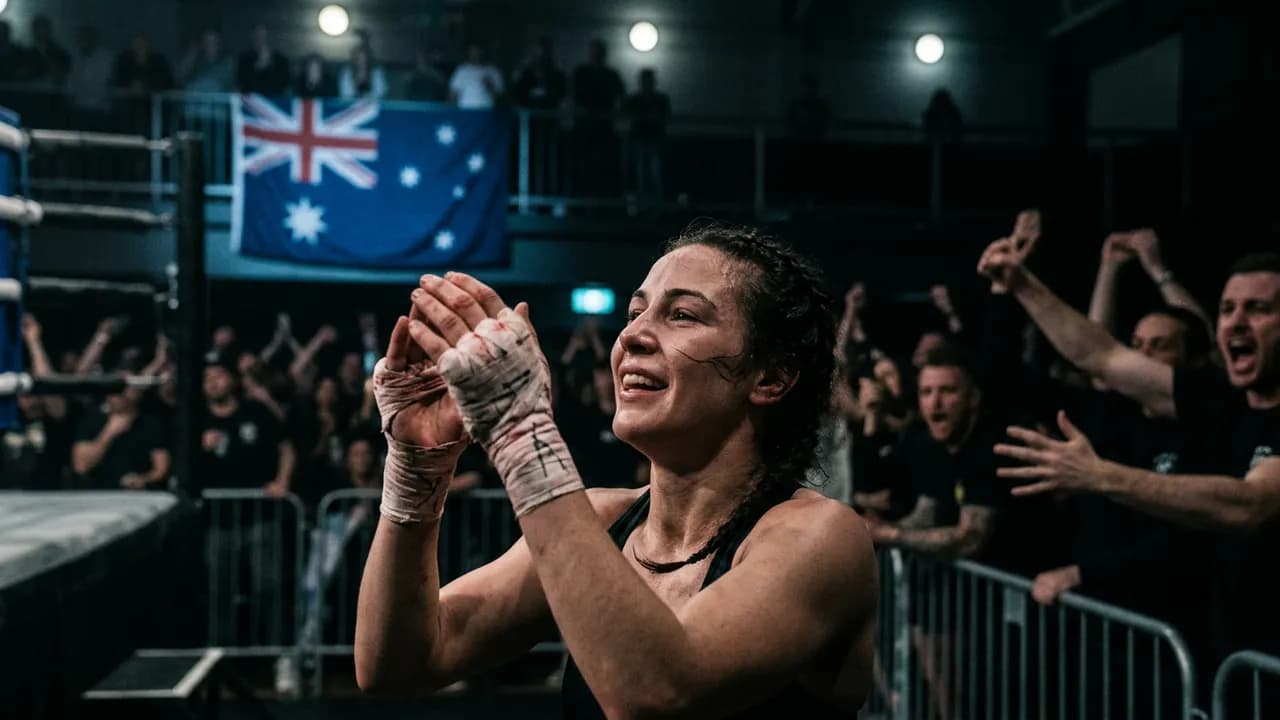
Tai Emery's story is perhaps even more remarkable. An Australian fighter with minimal professional combat sports experience, Emery debuted at BKFC Thailand in 2022 with a first-round knockout. Her post-fight celebration -- lifting her top to the crowd -- went viral instantly, generating hundreds of millions of views across platforms.
Emery leveraged that single moment into one of the most successful OnlyFans accounts in combat sports. She now earns more per month from content than most professional fighters earn per year from fighting.
The Emery case demonstrates that a single viral moment in combat sports can be worth more than years of traditional career development.
The Male Fighter Market
OnlyFans is not exclusively a platform for female fighters. Male combat athletes have increasingly joined, though with different economic dynamics:
- Training content: Many male fighters monetize behind-the-scenes training footage
- Lifestyle content: Day-in-the-life content from fight camps
- Fitness programs: Workout routines and nutrition plans behind paywalls
- Adult content: Some male fighters have entered this space as well, though with generally lower earnings than female counterparts
The male fighter OnlyFans market is growing but remains a fraction of the female market in terms of per-creator revenue.
Impact on Fight Promotion Economics
The Leverage Shift
OnlyFans has fundamentally changed the power dynamic between fighters and promotions. When a fighter can earn more from content than from fighting, the promotion loses its primary leverage: the paycheck.
This shift has several implications:
- Fighters can be selective about which fights they accept
- Promotions must offer more to attract fighters with large subscriber bases
- Marketing value of a fighter's social media following becomes a negotiation factor
- Risk calculation changes when fighting is no longer the primary income source
The Promotional Benefit
Smart promotions have recognized that OnlyFans fighters bring audiences. A fighter with 500,000 subscribers has a built-in marketing channel that no promotional budget can replicate. BKFC has been particularly adept at signing fighters with large content creator followings, understanding that these athletes drive PPV buys and event attendance.
Controversy and Criticism
The OnlyFans fighter phenomenon has generated significant debate:
Supporters argue:
- Fighters deserve to maximize earnings during short competitive windows
- Content creation is legitimate work that requires its own skills
- Fighter pay in traditional promotions is exploitative
- Athletes should control their own economic destiny
Critics argue:
- Adult content devalues the athletic achievement
- It creates perverse incentives where viral moments matter more than competitive results
- Young fighters may prioritize content over training
- It reinforces gender dynamics where female athletes are valued for appearance over ability
The Broader Creator Economy in Combat Sports
OnlyFans is just one platform in a broader creator economy that fighters are leveraging:
- YouTube: Training vlogs, fight breakdowns, and lifestyle content
- Patreon: Premium content for dedicated fans
- Cameo: Personalized video messages
- Merchandise: Direct-to-consumer apparel and gear
- Coaching: Online training programs and consultations
- Podcasting: Fighter-hosted shows with advertising revenue
The fighter who combines competitive success with content creator skills can build a financial portfolio that far exceeds what any single promotion can offer.