Slap Fighting Brain Damage: Congressional Inquiry & Neuroscientist Warnings
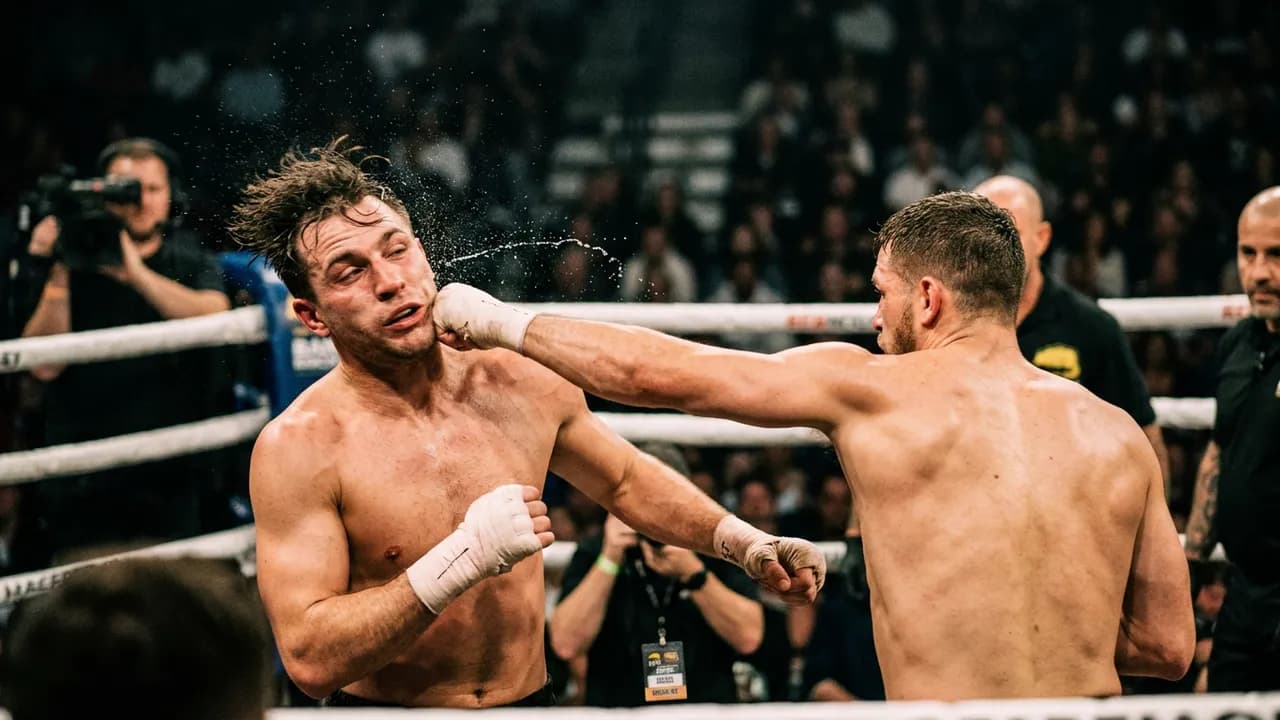
When Power Slap debuted on TBS in January 2023, it was not just fight fans who took notice. Neuroscientists, brain injury researchers, and eventually members of the United States Congress raised alarms about what they described as a format specifically designed to cause brain damage. The criticism was led by Dr. Bennet Omalu -- the Nigerian-American forensic neuropathologist who discovered CTE in NFL players and was portrayed by Will Smith in the film "Concussion" -- and it escalated into formal congressional inquiry.
The Neuroscience Concerns
Dr. Bennet Omalu's Position
Dr. Omalu was unequivocal in his criticism of slap fighting:
- Characterized slap fighting as "worse than boxing" for brain injury risk
- Argued that open-hand strikes to the head cause rotational acceleration similar to or worse than closed-fist impacts
- Called for a complete ban on competitive slap fighting
- Testified that the format has no defensive component -- competitors must stand still and receive full-force head impacts
- Drew parallels to CTE findings in football players exposed to repetitive head impacts
The Brain Injury Association of America
On 23 February 2023 the Brain Injury Association of America wrote to the Nevada Athletic Commission calling on it to end sanctioned slap fighting. This is commonly described online as a petition; it was a letter. Medical Director Emeritus Dr Gregory O'Shanick was quoted in the association's statement saying that "what is being portrayed for the public to witness first hand is a real time laboratory for sustaining a traumatic brain injury."
The AANS/CNS Position Statement
Advocacy became a formal professional position on 25 June 2025, when the American Association of Neurological Surgeons and the Congress of Neurological Surgeons issued a joint Position Statement on Slap Fighting. The two bodies "unequivocally denounce adult and pediatric participation in slap fighting" and state that "governing authorities should reconsider their recommendation to promote slap fighting – given the risk for permanent and devastating brain injury." The statement cites the 2024 JAMA Surgery research letter directly. It and the rest of the published literature are set out in full in what the medical evidence actually says about slap fighting.
Why Neuroscientists Are Specifically Concerned About Slap Fighting
Slap fighting raises unique neurological concerns compared to other combat sports:
| Concern | Why It Matters |
|---|---|
| No defense allowed | Competitors cannot block, dodge, or roll with strikes -- maximizing impact force |
| Direct head targeting | Unlike boxing or MMA where body shots are common, slap fighting exclusively targets the head |
| Rotational force | Open-hand slaps create significant rotational acceleration of the head |
| Cumulative exposure | Multiple rounds of undefended head impacts per bout |
| Training exposure | Practice sessions involve additional undefended head impacts |
| No helmet or protection | No equipment mitigates the force |
The Rotational Acceleration Problem
The specific mechanism that concerns neuroscientists:
- Slaps strike the side of the face and jaw
- This creates lateral rotational acceleration of the head
- The brain rotates inside the skull, stretching and shearing neural connections
- This rotational mechanism is the primary driver of concussion, diffuse axonal injury, and CTE
- In slap fighting, this mechanism is maximized because the recipient cannot move with the strike
The Congressional Response
Congressional Inquiry
Members of Congress responded to neuroscientist concerns with formal action:
- Letters to state athletic commissions questioning the sanctioning of slap fighting
- Requests for safety data from Power Slap and state regulators
- Hearings addressing the adequacy of existing combat sports safety frameworks
- Calls for federal intervention if state regulation proves insufficient
Political Arguments
Against slap fighting:
- Government has a responsibility to prevent easily avoidable brain injuries
- The format cannot be made safe because undefended head impacts are its core mechanism
- Broadcast platforms (TBS) normalizing brain damage for entertainment
- Young viewers may be encouraged to replicate dangerous behavior
For allowing slap fighting:
- Consenting adults should be allowed to participate in legal activities
- Athletic commissions provide regulatory oversight
- Banning slap fighting while allowing boxing and MMA is inconsistent
- Economic freedom arguments for fighters and promoters
State-Level Response
Bans and Restrictions
Several states have taken action regarding slap fighting:
| State | Action |
|---|---|
| Alabama | Prohibited by athletic commission rule since October 2022. A bill to codify the ban in statute (SB7, 2026 Regular Session) was indefinitely postponed on 7 April 2026 |
| Nevada | NSAC voted unanimously on 18 October 2022 to take jurisdiction; Power Slap events sanctioned and regulated since |
| California | CSAC approved sanctioning on a 6-0 vote on 9 December 2023, reported as a conditional licence |
| Colorado | Reported as declining to sanction |
| Connecticut | Reported as declining to sanction |
| Kentucky | Reported as declining to sanction |
| Other states | Mostly no documented position |
The patchwork of state responses reflects the broader debate about where to draw the line on combat sports regulation. The full picture, with the confirmed positions separated from the reported ones, is in which states have banned slap fighting.
The Power Slap Response
Dana White's Defense
Dana White and Power Slap have defended the format by arguing:
- Medical professionals are present at all events
- Concussion protocols are in place
- Referees can stop bouts at any time
- Fighters voluntarily choose to participate
- The format is safer than critics claim
- Regulatory oversight by athletic commissions provides adequate protection
Medical Protocols
Power Slap has implemented safety measures including:
- Pre-competition medical examinations
- Ringside physicians
- Post-competition medical evaluations
- Suspension periods after knockouts
- Neurological screening protocols
Critics argue these measures are insufficient because they address the symptoms of brain injury rather than the mechanism -- there is no way to receive a full-force slap to the head without brain impact.
The Broader CTE Conversation
What We Know About Repetitive Head Impacts
The slap fighting debate occurs within the context of evolving understanding of CTE:
- CTE is caused by repetitive head impacts, not just diagnosed concussions
- Sub-concussive blows contribute to CTE development over time
- There is no known safe threshold for head impacts
- Younger athletes may be more vulnerable to long-term effects
- Current CTE can only be definitively diagnosed post-mortem
The Artur Walczak Case
The death of slap fighting competitor Artur Walczak from a brain bleed added urgency to the safety debate. While the death occurred in a separate slap fighting event rather than Power Slap, it demonstrated the life-threatening potential of the format.
What Happens Next
The future of slap fighting regulation likely involves:
- Continued state-by-state regulatory battles
- Potential federal legislation if state-level action is deemed insufficient
- Ongoing neuroscience research on slap impact effects
- Legal challenges from both advocates and opponents of the format
- Insurance and liability considerations as data accumulates
- Power Slap's long-term viability as political pressure increases