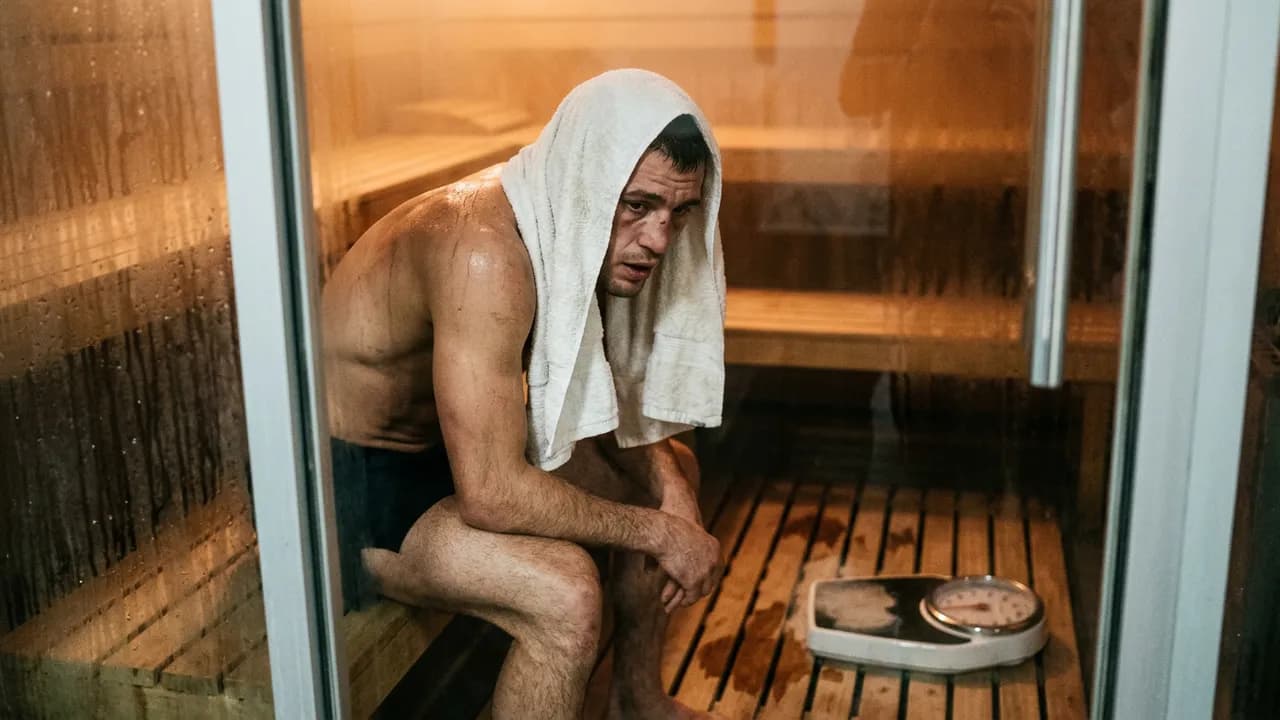
From the outside, the decision to fight in an unsanctioned event — no insurance, no commission oversight, limited medical coverage — can seem incomprehensible. Why would someone voluntarily absorb punches, risk broken hands and facial lacerations, and endure pain for little or no money?
The answer is not simple, and it is not singular. People fight for a complex web of reasons that touch on some of the deepest aspects of human psychology.
The Adrenaline Factor
The most immediately cited motivation is the rush. Fighting triggers an extreme physiological response:
The Fight-or-Flight Response
When a fighter enters the ring, their body releases a cascade of stress hormones:
- Adrenaline (epinephrine): Increases heart rate, dilates pupils, floods muscles with glucose
- Norepinephrine: Heightens alertness and focus
- Cortisol: Mobilizes energy reserves
- Endorphins: Natural painkillers that reduce the sensation of impact
- Dopamine: The reward chemical, creating feelings of pleasure and satisfaction
This hormonal cocktail produces a state of heightened awareness and physical capability that many fighters describe as addictive. The world narrows to the immediate moment — there is no past, no future, no bills, no problems. Just the fight.
The Adrenaline Addiction
For some fighters, the pursuit of this state becomes compulsive. The intensity of a fight experience dwarfs the everyday stimulation of normal life, and the contrast can make ordinary existence feel flat and unsatisfying. This dynamic has parallels with other high-risk activities, from extreme sports to military combat, and can contribute to mental health challenges when fighters try to transition away from competing.
Identity and Self-Definition
Fighting offers something that many people struggle to find elsewhere: a clear, unambiguous sense of who they are.
The Warrior Identity
In a culture that often feels ambiguous about masculinity and physical toughness, fighting provides a space where these qualities are unequivocally valued. For men — and increasingly for women — the fighter identity offers:
- A sense of physical competence
- Proof of courage under pressure
- Membership in a tradition that spans human history
- A narrative of personal strength and resilience
This identity function is particularly powerful for individuals who feel marginalized or invisible in other areas of life. In the ring, your background, education, and socioeconomic status are irrelevant. Only your willingness to fight and your ability to perform matter.
Reinvention
Many underground fighters describe fighting as a form of personal reinvention. People who felt powerless, directionless, or defined by their failures find in fighting a chance to rewrite their story. Each bout is a blank page where the only thing that matters is what happens next.
Community and Belonging
The fighting community is often tighter and more authentic than any social circle these individuals have experienced:
The Training Camp Bond
Training together for a fight creates profound bonds. When you spar with someone daily, bleed with them, push through exhaustion with them, and trust them not to hurt you unnecessarily, a relationship develops that goes deeper than ordinary friendship.
These bonds are particularly significant for fighters who lack strong connections elsewhere — those who are estranged from family, struggling with social integration, or recovering from trauma.
The Event Community
Fight events create a temporary community with its own norms and values:
- Mutual respect between competitors, even fierce rivals
- Shared understanding of what it takes to step into the ring
- Non-judgmental acceptance of people from all backgrounds
- Clear social structure based on demonstrated courage and skill
For people who feel alienated from mainstream society, the fighting community offers acceptance on terms they understand and value.
Economic Motivations
While the pay in unsanctioned fighting is typically minimal, financial factors still play a role:
Direct Income
- Small purses ($200-2,000 at most events) provide supplemental income
- For fighters in economically depressed areas, even small amounts matter
- Some fighters build followings that generate income through social media
Indirect Benefits
- Gym memberships and training are sometimes provided in exchange for competing
- Successful fighters may attract sponsorships or coaching opportunities
- Fighting experience can lead to opportunities in sanctioned events, security work, or training roles
The Dream
Many underground fighters harbor aspirations of transitioning to professional, sanctioned competition. Underground events serve as a proving ground where they can build a record, develop their skills, and attract the attention of promoters and managers.
Emotional Regulation
Fighting serves as a form of emotional processing for many participants:
Anger and Aggression
Some fighters use combat as a controlled outlet for anger that might otherwise find destructive expression. The structure of a fight — rules, referees, mutual consent — channels aggressive impulses into a framework that is, paradoxically, more socially acceptable than the alternatives.
05 / Up next / Trauma Processing
Research in sports psychology supports the idea that controlled physical aggression can reduce baseline anger levels, though the relationship is complex and does not apply universally.
Trauma Processing
A significant subset of underground fighters have experienced trauma — childhood abuse, domestic violence, military service, street violence. Fighting can function as a way of:
- Confronting fear rather than being controlled by it
- Reclaiming a sense of physical agency lost during traumatic experiences
- Transforming the role of victim into the role of warrior
- Processing difficult emotions through physical exertion
This trauma-processing function has both benefits and risks. While fighting can be therapeutic, it can also retraumatize or mask underlying issues that require professional treatment.
The Challenge and Mastery Drive
Humans have a fundamental drive to test themselves against challenges and develop mastery. Fighting appeals to this drive in its purest form:
Progressive Challenge
Fighting offers a clear progression:
- First sparring session — surviving
- First competitive bout — performing under pressure
- Winning — validation of training and skill
- Facing increasingly skilled opponents — continuous growth
- Mastery — the ability to control and dominate a fight
Each step provides measurable feedback and a sense of accomplishment that is difficult to replicate in environments where success is ambiguous or delayed.
Flow State
The intense focus required in fighting produces what psychologists call a "flow state" — complete absorption in the present moment, loss of self-consciousness, and a sense of effortless action. This state is intrinsically rewarding and is one of the most consistently reported positive experiences among fighters.
Social Proof and Recognition
In communities where underground fighting is visible, fighters earn social recognition:
- Respect from peers who understand the courage required
- Status within the fighting community hierarchy
- Social media following and public identity
- Recognition from family and community members
For individuals who have not received positive recognition through conventional channels — academic achievement, career success, social status — the recognition that comes from fighting can be profoundly meaningful.
The Dark Side
Not all motivations for fighting are healthy, and it is important to acknowledge the problematic aspects:
- Self-destructive impulses: Some fighters are motivated by a desire to be hurt, using fighting as a form of self-harm
- Addiction to danger: The adrenaline seeking can become compulsive and interfere with healthy functioning
- Avoidance: Fighting can be used to avoid dealing with underlying psychological issues
- Coercion: Some fighters feel pressured by social circles, financial desperation, or criminal involvement
- Untreated mental illness: Depression, anxiety, and PTSD may drive fighting behavior that looks voluntary but is actually symptomatic
Understanding these darker motivations is essential for creating fighting communities that support their members rather than exploit them.
What the Research Suggests
Academic research on the psychology of combat sports participation suggests:
- Fighters generally score high on sensation-seeking personality traits
- Competitive motivation is typically stronger than aggressive motivation
- Community belonging is consistently cited as a primary motivational factor
- Most fighters report improved self-esteem and emotional regulation through training and competition
- The transition out of fighting is psychologically challenging for many athletes
These findings align with the lived experience reported by fighters themselves: fighting is complex, multifaceted, and deeply personal. Reducing it to violence for violence's sake misses the point entirely.
Conclusion
People fight because fighting touches something fundamental in the human experience — the need to test oneself, to belong, to be seen, to feel alive. The psychology of underground fighting is not a pathology. It is an expression of drives and needs that are universal, channeled through a medium that most of society finds uncomfortable.
Understanding why people fight is the first step toward creating environments where they can do so as safely and supportively as possible.