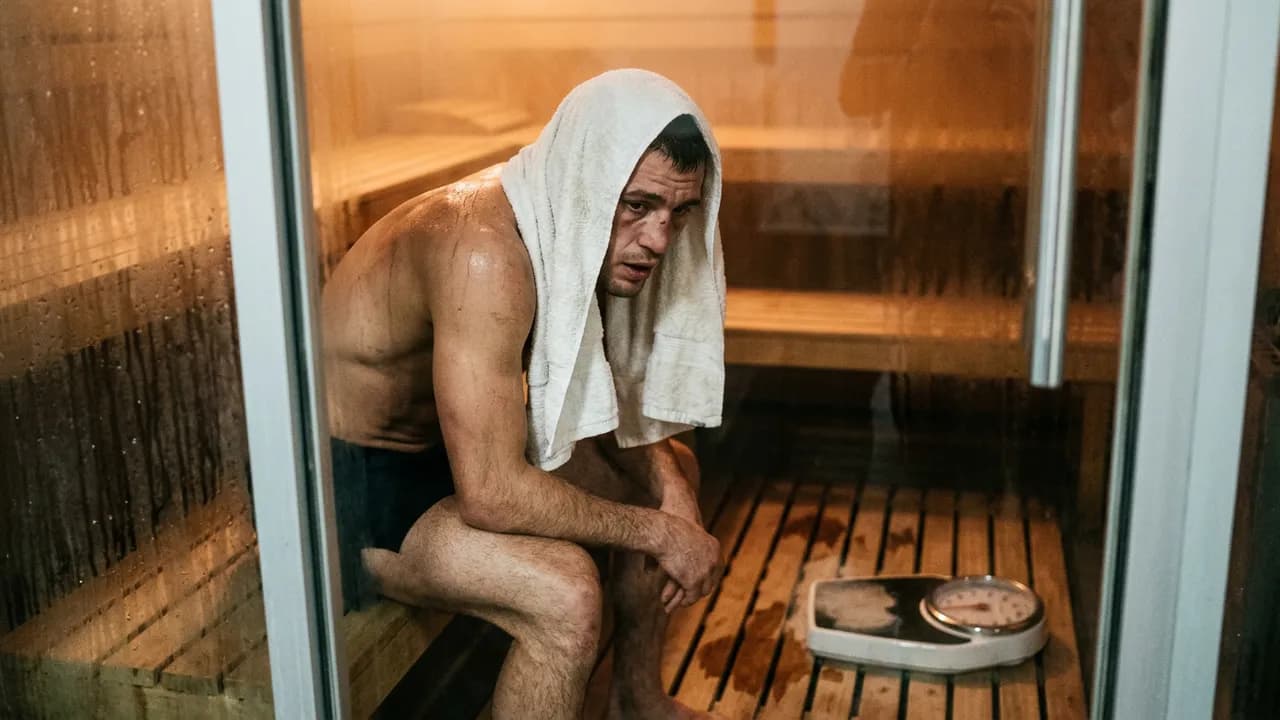
The conversation about fighter safety almost always focuses on the physical — broken hands, facial cuts, concussions. But there is another category of damage that fighters carry, less visible but equally real: the psychological cost of putting your body and identity on the line in combat.
Mental health challenges among fighters are widespread, underreported, and undertreated. For fighters in the underground and unsanctioned scene, where support systems are minimal and admitting vulnerability is culturally difficult, the problem is even more acute.
The Mental Health Landscape
Research on combat sports athletes consistently reveals elevated rates of mental health challenges:
Depression
Studies suggest that combat sports athletes experience depression at rates higher than the general population. Contributing factors include:
- The emotional crash after the intense arousal of competition
- Post-fight isolation during recovery periods
- The psychological impact of losses
- Financial stress (particularly for underground fighters)
- Physical pain and injury-related limitations
- Neurological effects of head trauma
Post-fight depression is so common that many fighters consider it a normal part of the cycle. It is not. Depression that persists beyond a few days after a fight warrants professional attention.
Anxiety
Pre-fight anxiety is universal and often adaptive — it sharpens focus and prepares the body for combat. But for some fighters, anxiety becomes:
- Chronic and pervasive, extending beyond the fight context
- Paralyzing, interfering with training and daily life
- Associated with sleep disruption and intrusive thoughts
- A source of shame in a culture that values toughness
Post-Traumatic Stress
Fighters can develop PTSD symptoms from:
- Experiencing a serious injury or knockout
- Witnessing another fighter seriously injured
- Cumulative exposure to violence
- Pre-existing trauma that fighting may trigger or exacerbate
PTSD in fighters is complicated by the fact that the trauma source — fighting — is also the activity around which their identity and social life are organized. Avoiding the trigger means losing the community.
Substance Use
Self-medication with alcohol, marijuana, painkillers, and other substances is common among fighters:
- Alcohol to manage post-fight pain and emotional distress
- Painkillers for chronic injury-related pain
- Stimulants for training and weight cutting
- Marijuana for anxiety and sleep issues
Substance use can escalate into dependency, particularly when fighters lack access to mental health care and use substances as their primary coping mechanism.
The Identity Crisis
One of the deepest psychological challenges fighters face is the question of identity:
Who Am I Without Fighting?
For fighters whose sense of self is tightly bound to their fighting identity — as explored in our psychology of fighting guide — the prospect of not fighting creates existential anxiety:
- Retirement (voluntary or forced) can feel like losing oneself
- Injuries that prevent fighting trigger identity crises
- Aging out of competitive fighting challenges self-worth
- The transition from "fighter" to "former fighter" is psychologically complex
The Toughness Paradox
Fighting culture values toughness, resilience, and the ability to absorb punishment without complaint. These qualities serve fighters well inside the ring but create problems when applied to mental health:
- Admitting psychological suffering is perceived as weakness
- Seeking help contradicts the self-sufficient fighter identity
- Emotional vulnerability is suppressed rather than processed
- Pain — physical and emotional — is endured rather than treated
This paradox means that the fighters who most need mental health support are often the least likely to seek it.
Risk Factors Specific to Underground Fighting
Fighters in the underground scene face additional risk factors:
Financial Instability
Most underground fighters earn little from their bouts. Fighting while holding down jobs, supporting families, and managing the financial costs of training and injuries creates chronic stress that compounds the psychological pressures of competing.
Lack of Organizational Support
Sanctioned organizations increasingly provide mental health resources for their athletes. Underground fighters typically have:
- No access to team psychologists
- No employee assistance programs
- No mental health screening
- No post-fight psychological check-ins
- No transition support when they stop fighting
Legal Concerns
Competing in unsanctioned events carries legal risk that adds to psychological burden:
- Worry about arrest or prosecution
- Inability to openly discuss their activity
- Difficulty seeking medical care for fight injuries
- Social stigma that prevents open acknowledgment of their fighting life
Isolation
Underground fighters may feel isolated from both mainstream society (which does not understand or accept their fighting) and from the professional fighting world (which may look down on unsanctioned competition).
Warning Signs
Fighters, trainers, and those close to fighters should watch for:
- Persistent mood changes: Lasting sadness, irritability, or emotional flatness beyond the normal post-fight period
- Social withdrawal: Pulling away from training partners, friends, and family
- Sleep disruption: Insomnia, nightmares, or excessive sleeping
- Loss of interest: Declining motivation for training and activities previously enjoyed
- Increased substance use: Drinking more, using more, or using differently
- Reckless behavior: Dangerous driving, unnecessary fights outside competition, self-destructive choices
- Talk of hopelessness: Expressing that things will not get better or that life is not worth living
- Cognitive changes: Memory problems, difficulty concentrating, confusion (which may also indicate neurological issues)
Coping Strategies
What Works
- Talking: Processing experiences with trusted people — training partners, coaches, partners, friends
- Professional help: Therapy with a psychologist or counselor, ideally one experienced in sports psychology
- Physical activity outside fighting: Exercise that is not tied to competition reduces stress and supports mood
- Structure and routine: Maintaining daily structure during recovery and between fights
- Mindfulness and meditation: Techniques that build emotional awareness and regulation
- Creative expression: Writing, art, music — outlets for processing experiences
- Community connection: Maintaining social bonds beyond the fighting community
What Does Not Work
- Suppressing emotions and "toughing it out"
- Self-medicating with alcohol or drugs
- Isolation
- Immediately returning to fighting to escape uncomfortable feelings
- Denying that a problem exists
Support Resources
Fighters seeking mental health support have several options:
Professional Resources
- Sports psychologists: Specialists who understand the unique pressures of athletic competition
- Trauma therapists: Particularly helpful for fighters with PTSD symptoms or pre-existing trauma
- Crisis hotlines: Available 24/7 for immediate support (988 Suicide & Crisis Lifeline in the US)
- Community mental health centers: Often offer sliding-scale fees for those without insurance
Community Resources
- Peer support groups: Other fighters who understand the experience
- Gym culture change: Coaches and training partners normalizing mental health conversations
- Online communities: Forums and groups where fighters discuss mental health openly
- Retired fighter networks: Connecting with those who have navigated the transition out of fighting
Self-Help
- Regular exercise (beyond training)
- Journaling
- Meditation apps and guided practice
- Sleep hygiene protocols
- Nutritional strategies that support mental health
A Call to the Community
The fighting community has the power to change the mental health landscape for its members:
- Normalize mental health conversations in the gym and at events
- Train coaches to recognize warning signs and make referrals
- Create support structures for fighters transitioning out of competition
- Challenge the toughness mythology that prevents fighters from seeking help
- Support fighters financially during recovery periods when they cannot train or compete
- Advocate for regulation that includes mental health provisions
Mental toughness and mental health are not opposites. The strongest fighters are those who have the courage to acknowledge their vulnerabilities and the wisdom to seek support. Building a fighting culture that recognizes this truth is one of the most important things the combat sports community can do.