Hip-Hop and Bare Knuckle Fighting: Blueface, Anuel AA & Fight Culture
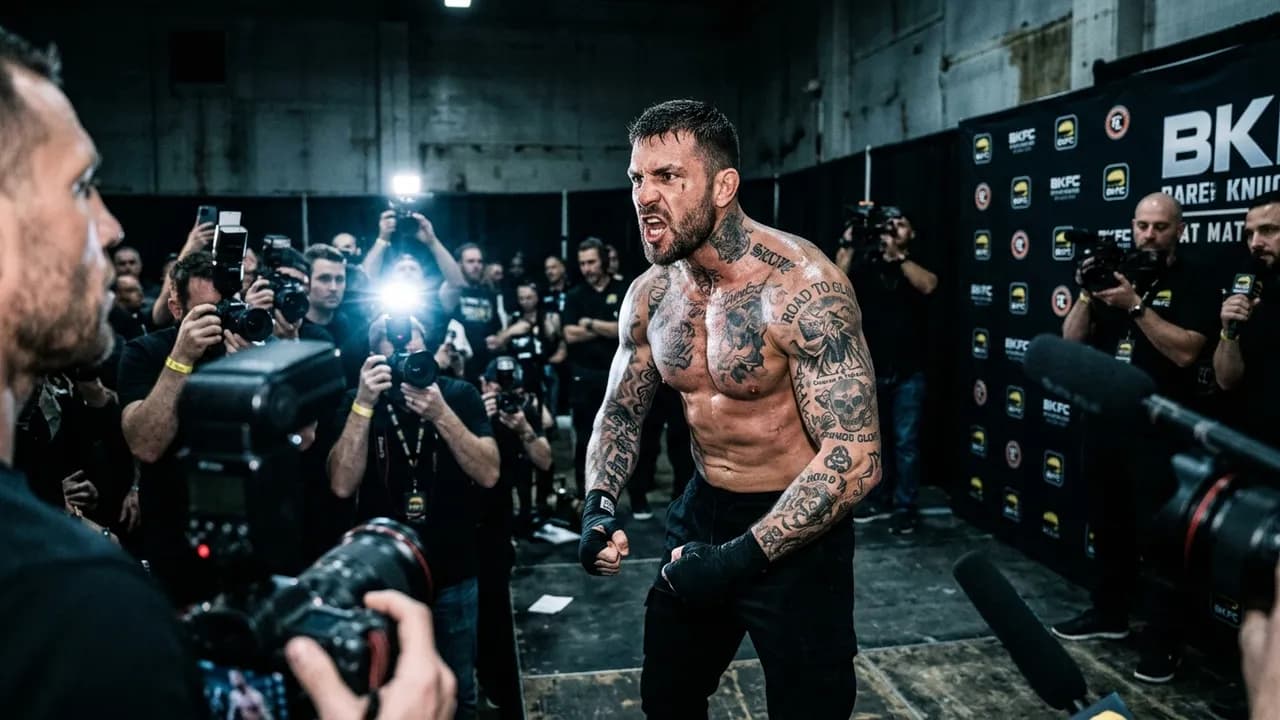
Hip-hop and fighting have been intertwined since both emerged from the same urban American experience. But the relationship has evolved from cultural adjacency to direct participation: rappers are now fighting, fighters are rapping, and the audiences for both are merging into a single entertainment ecosystem. Blueface's BKFC signing, Anuel AA's ringside presence, and the broader intersection of rap music and bare knuckle culture represent a crossover that is reshaping both industries.
The Cultural Connection
Shared DNA
Hip-hop and combat sports share foundational cultural elements:
| Element | Hip-Hop | Combat Sports |
|---|---|---|
| Origin | Urban American communities | Street fighting, working-class boxing |
| Authenticity | "Keeping it real" | Proving yourself through combat |
| Hierarchy | Rap battles, diss tracks | Rankings, championships |
| Storytelling | Narrative about struggle and triumph | Fighter origin stories |
| Visual culture | Music videos, fashion | Walk-out gear, fight aesthetics |
| Economics | Independent hustle to major deals | Underground to professional |
The Historical Arc
The hip-hop/fighting connection has deepened over decades:
- 1990s: Mike Tyson and Tupac; boxing as hip-hop social event
- 2000s: 50 Cent launches boxing promotion; Jay-Z ringside at major fights
- 2010s: Drake courtside at UFC; rap walkout music becomes standard
- 2020s: Rappers become fighters; bare knuckle and hip-hop audiences merge
Blueface and BKFC
The Signature Moment
Blueface's multi-fight BKFC deal represents the most direct crossing yet between hip-hop and bare knuckle fighting. Unlike celebrity boxing matches that are often one-off spectacles, Blueface committed to multiple bare knuckle fights -- the rawest, most unfiltered format in combat sports.
The significance:
- First major rapper in bare knuckle: Previous hip-hop crossovers were in boxing
- Multi-fight commitment: Not a one-off event but an ongoing relationship
- Brand alignment: Blueface's street credibility matches bare knuckle's raw appeal
- Audience bridge: His fans discover BKFC; fight fans discover his music
Anuel AA and Latin Fight Culture
The Latin Connection
Puerto Rican rapper Anuel AA represents the Latin hip-hop connection to combat sports:
- Has been visibly present at combat sports events
- Latin trap music and fighting share cultural resonance in Latin American communities
- Puerto Rico's deep boxing tradition (Tito Trinidad, Miguel Cotto, Felix Trinidad) connects to hip-hop culture
- Latin American fighters in BKFC and BKF Brasil bring their own musical cultures
The Global Hip-Hop/Fighting Connection
The crossover extends beyond American borders:
- UK grime and boxing: British rappers have deep connections to boxing culture
- Brazilian funk and MMA: Baile funk music and fighting are intertwined in Brazilian culture
- Korean hip-hop and MMA: The Korean entertainment industry blends music and combat sports
- French rap and savate: European fighting traditions connect to their local music scenes
Walkout Culture
Music as Fighting Identity
The walkout song has become one of the most important expressions of a fighter's identity, and hip-hop dominates the genre:
- Estimated 60-70% of combat sports walkouts use hip-hop tracks
- Fighters select songs that express their persona, intensity, or cultural identity
- Some rappers have created custom walkout tracks for specific fighters
- The walkout moment generates social media content that crosses between music and fight audiences
Revenue Implications
The walkout music connection creates economic value:
- Streaming spikes for songs used in high-profile walkouts
- Artists gain exposure to combat sports audiences
- Promotions benefit from musical performances at events
- Sponsorship opportunities at the music/fighting intersection
The Business of Music and Fighting
Cross-Promotional Value
The music/fighting crossover creates measurable business value:
| Value Driver | Impact |
|---|---|
| Audience overlap | Hip-hop's 18-35 male demographic matches combat sports perfectly |
| Social media amplification | Artists and fighters cross-promote to each other's audiences |
| Event entertainment | Musical performances at fight events enhance the live experience |
| Sponsorship synergy | Brands targeting young male audiences can reach both through a single event |
| Content creation | Training montages, fight vlogs, and music videos feed each other's platforms |
Revenue Streams
The convergence creates new revenue opportunities:
- Joint merchandise (fighter/artist collaborations)
- Event ticket bundles (fight + concert experience)
- Streaming content combining music and fight footage
- Collaborative social media campaigns
- NFTs and digital collectibles at the music/fighting intersection
Underground Connections
Street Fighting and Rap
The connection between hip-hop and fighting is strongest at the underground level:
- Many rappers have personal experience with street fighting
- Street credibility in hip-hop often involves physical toughness
- Underground fight events frequently feature local hip-hop performers
- Streetbeefs and similar platforms attract hip-hop audiences naturally
- The aesthetics of underground fighting align with hip-hop's raw visual culture
What Comes Next
The hip-hop/bare knuckle crossover is accelerating:
- More rappers exploring combat sports participation
- BKFC and other promotions actively recruiting from the music industry
- Musical performers becoming standard features at major fight events
- Collaborative content creating new media properties
- The line between concert and fight event continuing to blur