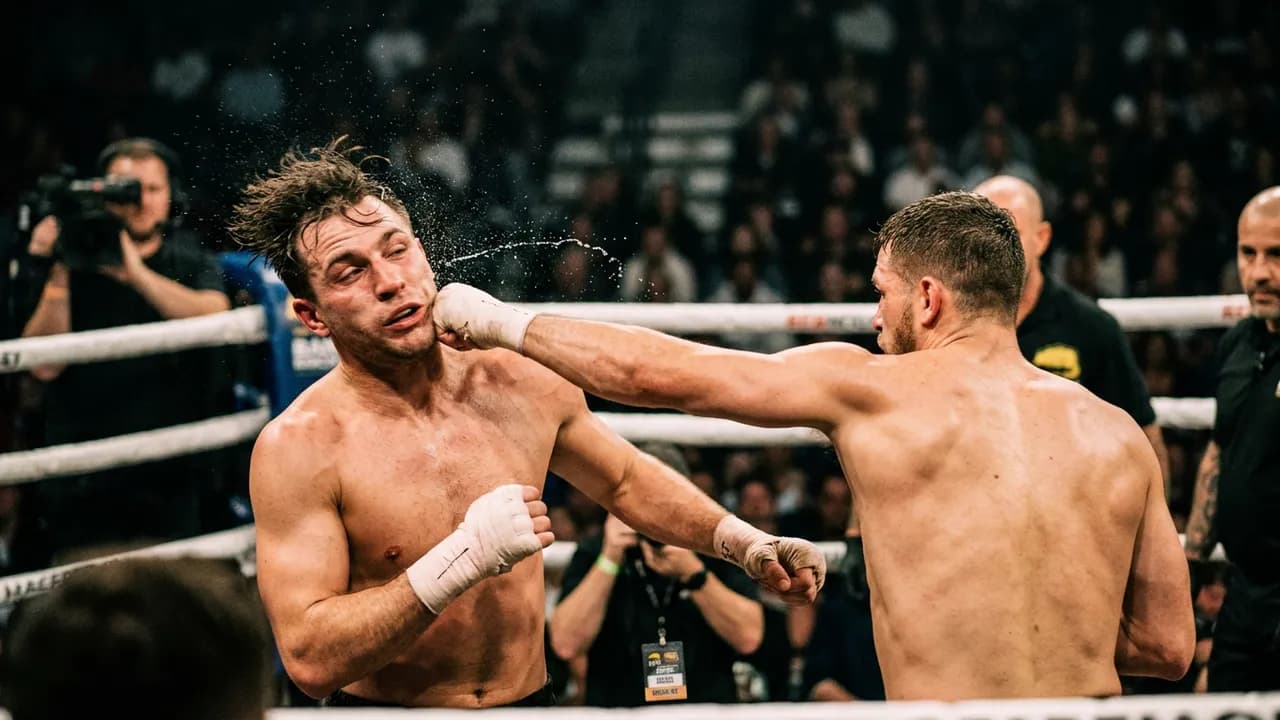
In one of the most unusual regulatory developments in combat sports history, the Enoch Cree Nation -- a First Nations community near Edmonton, Alberta -- used its sovereign authority to sanction BKFC events on its territory. While Canadian provincial athletic commissions had not approved bare knuckle boxing, the Enoch Cree Nation's inherent right to self-governance allowed it to bypass provincial regulatory frameworks entirely. The result was sanctioned bare knuckle fighting in Canada, hosted on indigenous land under indigenous authority.
Understanding Indigenous Sovereignty
What Sovereign Authority Means
First Nations in Canada exercise sovereign rights that predate and exist independently of Canadian federal and provincial law. These rights include:
- Self-governance: The authority to make laws and regulations within their territories
- Economic development: The right to pursue economic activities on their land
- Regulatory autonomy: The ability to establish their own regulatory frameworks
- Territorial jurisdiction: Control over activities occurring on their lands
The Casino Precedent
The Enoch Cree Nation's approval of BKFC follows a well-established pattern in indigenous economic development. First Nations across North America have used sovereign authority to host activities that provincial or state jurisdictions have not approved, most notably:
- Casinos and gaming: Indigenous gaming has been a massive economic driver
- Cannabis operations: Some First Nations established cannabis retail before provincial frameworks
- Tax-free commerce: Sovereign land operates under different tax frameworks
- Entertainment ventures: Events and venues that may not meet provincial licensing requirements
How BKFC Came to Enoch
The Canadian Bare Knuckle Challenge
BKFC faced a specific challenge in Canada:
| Issue | Detail |
|---|---|
| Provincial boxing commissions | Had not sanctioned bare knuckle events |
| Federal criminal code | Prize fighting provisions technically apply |
| Provincial regulation | Varies by province, none had approved BK |
| Fan demand | Significant Canadian audience for BKFC |
| Fighter pool | Canadian fighters wanted to compete domestically |
The Sovereign Solution
The Enoch Cree Nation offered a path that solved these challenges:
- Regulatory approval under indigenous rather than provincial authority
- Venue access on sovereign territory near Edmonton
- Economic benefit for the community through event revenue and jobs
- Legal framework that was distinct from provincial boxing commission oversight
The Events
BKFC on Enoch Cree Nation Land
BKFC events on Enoch territory featured:
- Full BKFC production with standard rules and competition formats
- Medical staff and safety protocols consistent with BKFC's standards
- Fighters from both Canada and the United States
- Significant community engagement and economic benefit
- Sold-out venues with fans traveling from across Alberta and beyond
Community Impact
The partnership between BKFC and the Enoch Cree Nation generated:
- Direct revenue from event hosting, concessions, and associated commerce
- Employment for community members in event production and security
- Tourism bringing visitors to Enoch territory
- Media attention for the community and its sovereign rights
- Youth engagement through connections to professional athletics
Legal Analysis
The Jurisdictional Question
The Enoch Cree Nation's approval of BKFC raises complex jurisdictional questions:
- Federal vs. indigenous authority: Canada's Criminal Code provisions on prize fighting technically apply nationwide, but enforcement on sovereign indigenous land involves constitutional considerations
- Provincial commission response: Alberta's athletic commission acknowledged the events but did not assert jurisdiction on sovereign land
- International implications: The precedent could apply to other First Nations across Canada
- Regulatory standards: Questions about whether indigenous regulatory frameworks provide equivalent safety oversight
Precedent for Other First Nations
The success of the Enoch-BKFC partnership has implications for indigenous communities across North America:
- Economic development model: Combat sports events as a revenue source for First Nations
- Regulatory framework: Indigenous communities establishing their own combat sports oversight
- Cultural connection: Many indigenous cultures have deep traditions of competitive physical combat
- Sovereignty exercise: Using self-governance rights to build economic partnerships
The Cultural Dimension
Indigenous Fighting Traditions
The hosting of bare knuckle fighting on First Nations land connects to deeper cultural traditions:
- Many indigenous cultures include traditional forms of competitive combat
- Physical toughness and warrior culture are central to many First Nations identities
- The Enoch Cree Nation's embrace of bare knuckle fighting resonates with cultural values of courage and physical excellence
- Indigenous fighters in BKFC bring their communities' fighting traditions into modern competition
Community Reception
The reception within the Enoch Cree Nation has been largely positive:
- Community members have expressed pride in hosting major sporting events
- Economic benefits have been tangible and welcome
- The events have raised the community's national and international profile
- Youth engagement with athletics has increased
What This Means for Combat Sports Regulation
The Enoch Cree Nation precedent introduces a new variable into combat sports regulation:
- Regulatory arbitrage: Promotions can seek indigenous partnerships where provincial or state approval is unavailable
- Sovereignty as venue: Indigenous lands become potential venues for events that cannot be held elsewhere
- Standard setting: Questions about who ensures fighter safety when regulatory authority shifts
- Expansion potential: Other First Nations may explore similar partnerships
The intersection of indigenous sovereignty and combat sports regulation is still in its early stages. The Enoch-BKFC model may prove to be unique, or it may become the template for a new category of combat sports venue.