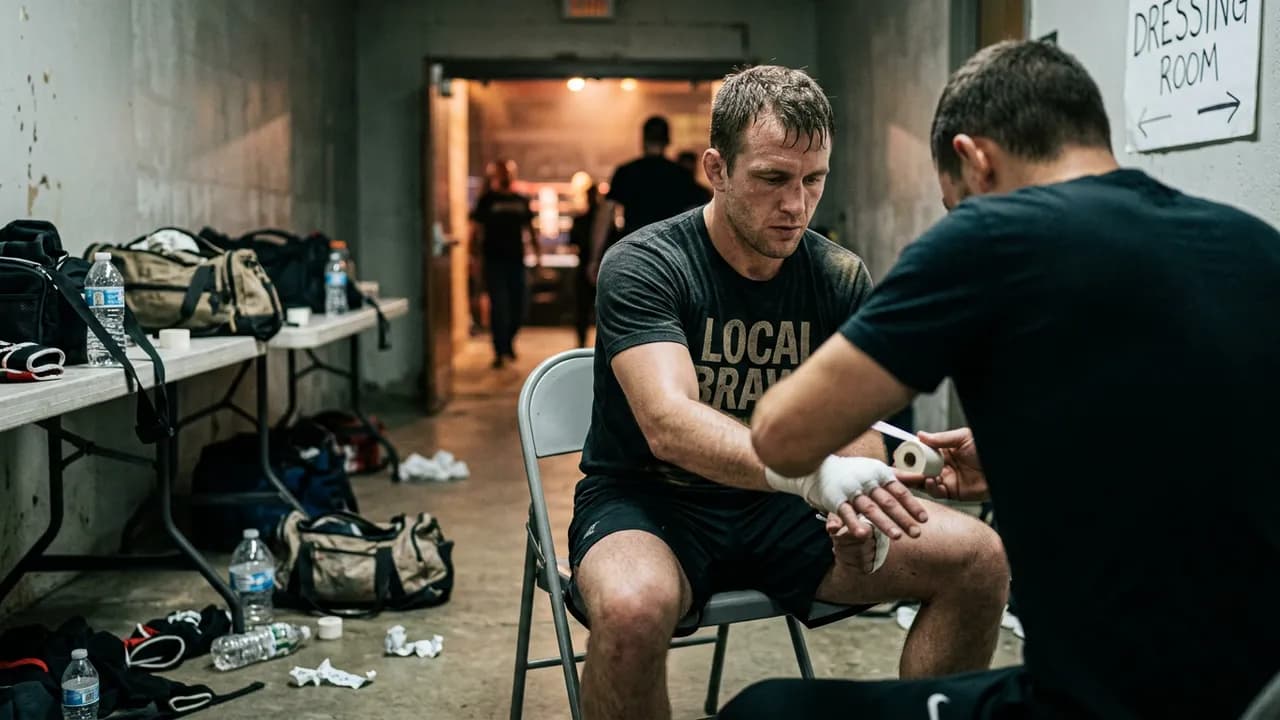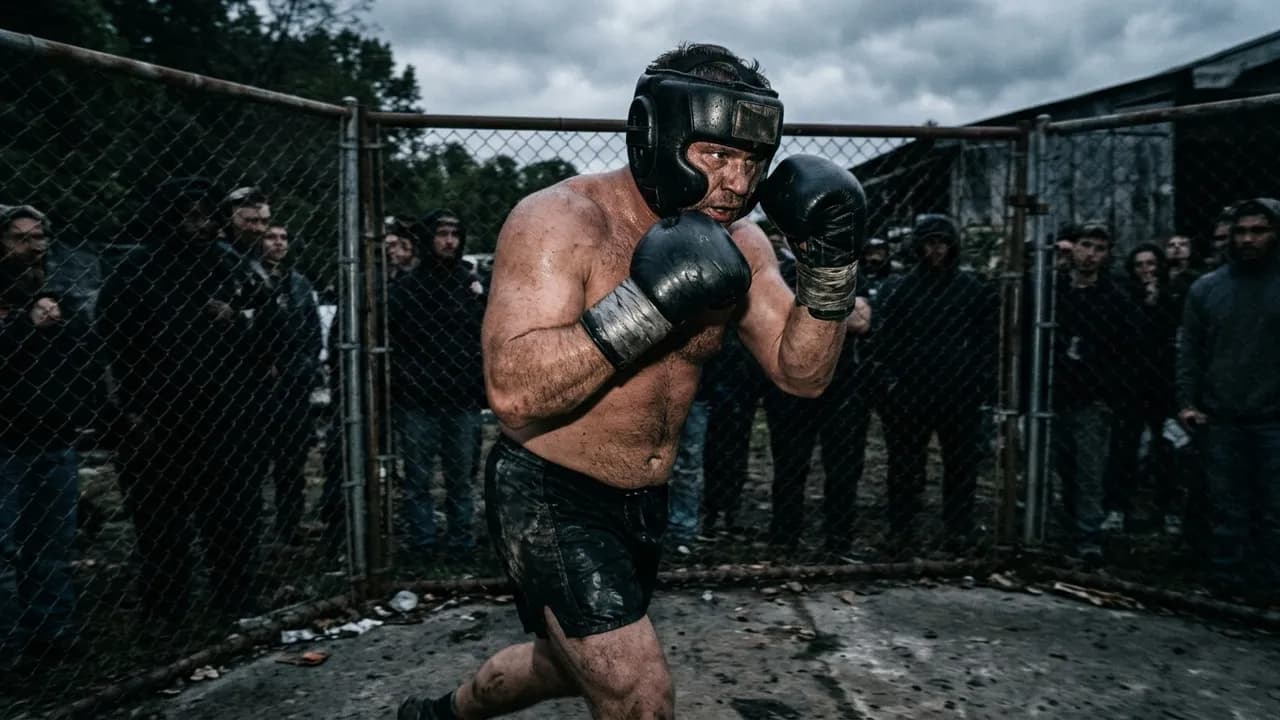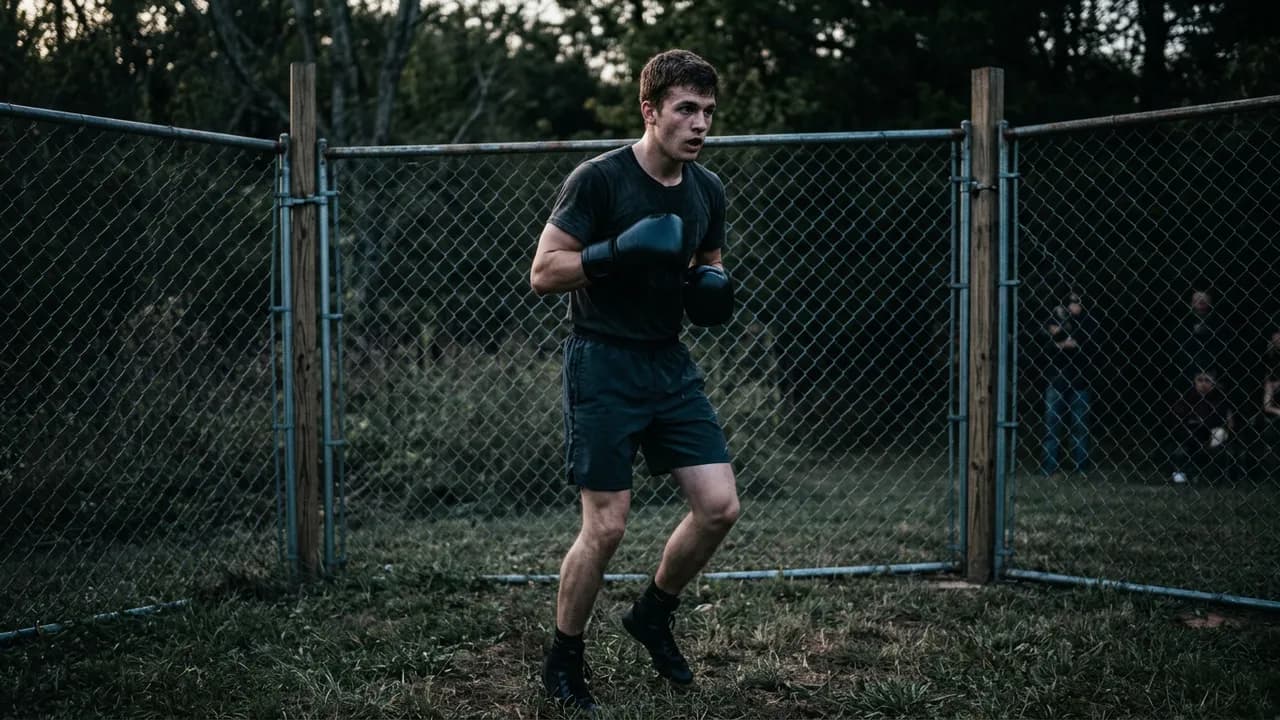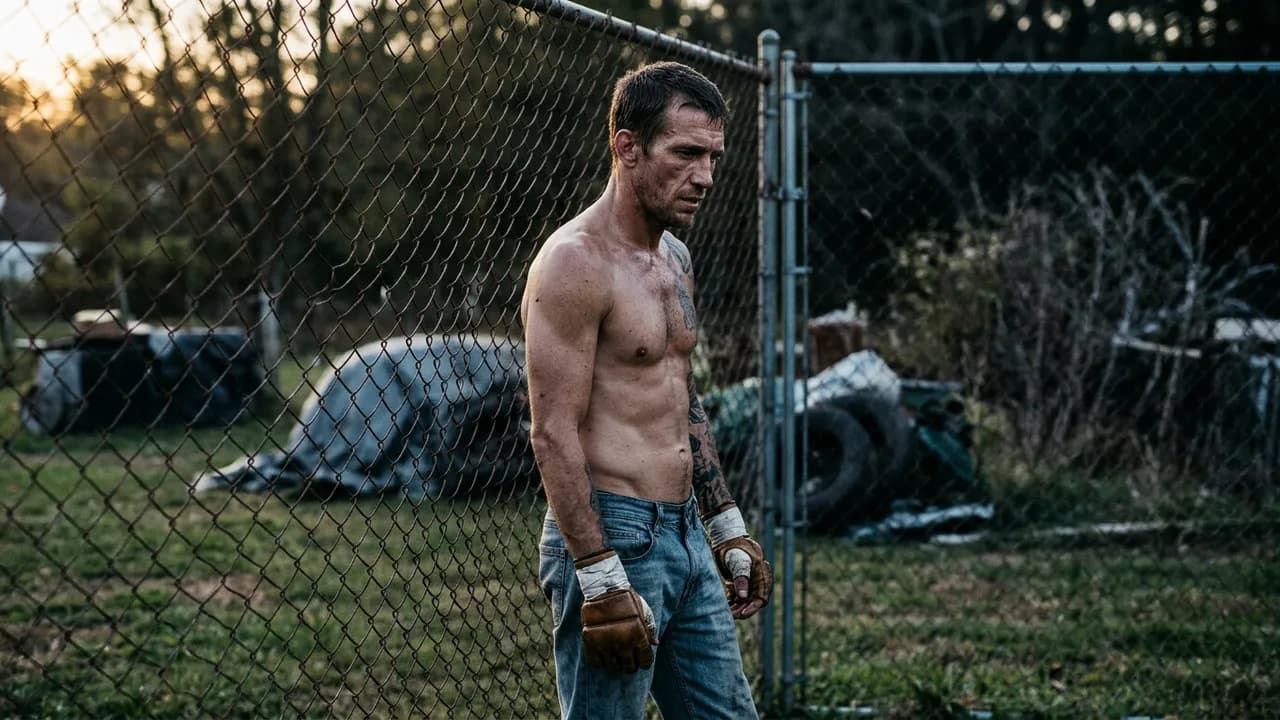
Outlaw is presented here as an editorial persona rather than a confirmed name, because no specific fighter under this exact ring name is clearly documented in the Streetbeefs public record. The name still earns its place. It captures one of the most defining figures in the promotion's history: the fighter with a rough past — street disputes, time inside, a reputation that precedes him — who walks into Chris "Scarface" Wilmore's Harrisonburg, Virginia yard to handle his business with fists instead of firearms. Streetbeefs was built for exactly this person. Its core slogan, "guns down, fists up," is a direct invitation to the Outlaw type.
Quick Facts
| Detail | Info |
|---|---|
| Ring Name | Outlaw |
| Profile Type | Editorial persona / redemption archetype (not a verified named fighter) |
| Organization | Streetbeefs |
| Org Founded | 2008 |
| Base | Harrisonburg, Virginia, United States |
| Founder | Chris "Scarface" Wilmore |
| Ruleset | Gloves + headgear; boxing, MMA, or BJJ format |
| Fighter Pay | None — Streetbeefs pays no purses |
| Core Slogan | "Guns down, fists up" |
| Role | Redemption fighter, score-settler |
Overview
The redemption story sits at the heart of why Streetbeefs exists. Wilmore founded the promotion in 2008 with a stated goal of pulling violence off the streets of Harrisonburg and channeling it into a supervised ring. The men he wanted most were the ones with the most to lose by handling conflict the old way — people who, without the yard, might resolve a beef with a weapon. The Outlaw archetype is that exact recruit: someone whose history makes the alternative to Streetbeefs genuinely dangerous.
That mission gives the persona real weight. A fighter like Outlaw is not chasing a paycheck, because Streetbeefs pays none. He is not chasing fame in the conventional sense, though the channel's reach — over 4.2 million subscribers and more than 1.3 billion views — means a memorable performance can travel far. What he is chasing is closure on a dispute and, often, a measure of respect that his past denied him. The yard offers a referee, a doctor, headgear, gloves, and a crowd of witnesses. For someone whose conflicts used to play out without any of those, that structure is the entire point.
No win-loss record is asserted here. Streetbeefs publishes no single authoritative ledger for most of its fighters, and fabricating one would distort the organization. What is accurate to describe is the role and the documented context: a guns-down promotion in rural Virginia built to absorb exactly this kind of competitor.
Fighting Style
The Outlaw archetype tends to bring a style forged outside the gym — instinctive, aggressive, and built on real-stakes experience rather than sparring rounds.
Front-loaded aggression
Fighters of this type usually open fast and hard, trying to overwhelm before conditioning becomes a factor. Street experience teaches that fights are won early, and that instinct carries into the ring. The risk is obvious: a fast start that empties the tank against a paced, trained opponent.
Clinch and dirty boxing
When the format allows it, the redemption fighter often closes distance and works in tight — short hooks, body shots, and grappling for control. Under the Streetbeefs ruleset, MMA-format bouts give this style room to operate, while boxing-only matches force it into a cleaner range where untrained habits are exposed.
Emotional drive as a double edge
The same intensity that makes the Outlaw dangerous also makes him beatable. Composed opponents who weather the early storm can draw him into mistakes. The archetype lives and dies on whether the fire holds up past the first round.
Role Within Streetbeefs
Outlaw represents the moral engine of Streetbeefs — the fighter whose participation most directly fulfills the promotion's reason for existing. While polished standouts dominate lists like the best Streetbeefs fighters of all time, the redemption fighter is the one Wilmore's mission was written for. Every guns-down resolution in the yard is a small proof of concept.
The persona pairs naturally with other aggressive types on the roster. A fighter like The Pitbull shares the relentless forward pressure, while a Young Savage brings the same hunger from a different generation. Outlaw stands among them as the figure carrying the heaviest backstory and, often, the most at stake.
FAQ
Is Outlaw a real documented Streetbeefs fighter?
No verifiable record confirms a specific fighter under this exact ring name. This profile treats Outlaw as an editorial archetype representing the redemption-minded fighter Streetbeefs was built to reach.
What does "guns down, fists up" mean?
It is the Streetbeefs core slogan, summarizing the promotion's mission to settle street disputes in a supervised ring rather than with weapons.
Do fighters like Outlaw earn money?
No. Streetbeefs pays no purses and charges no admission. The promotion is funded by its YouTube channel.