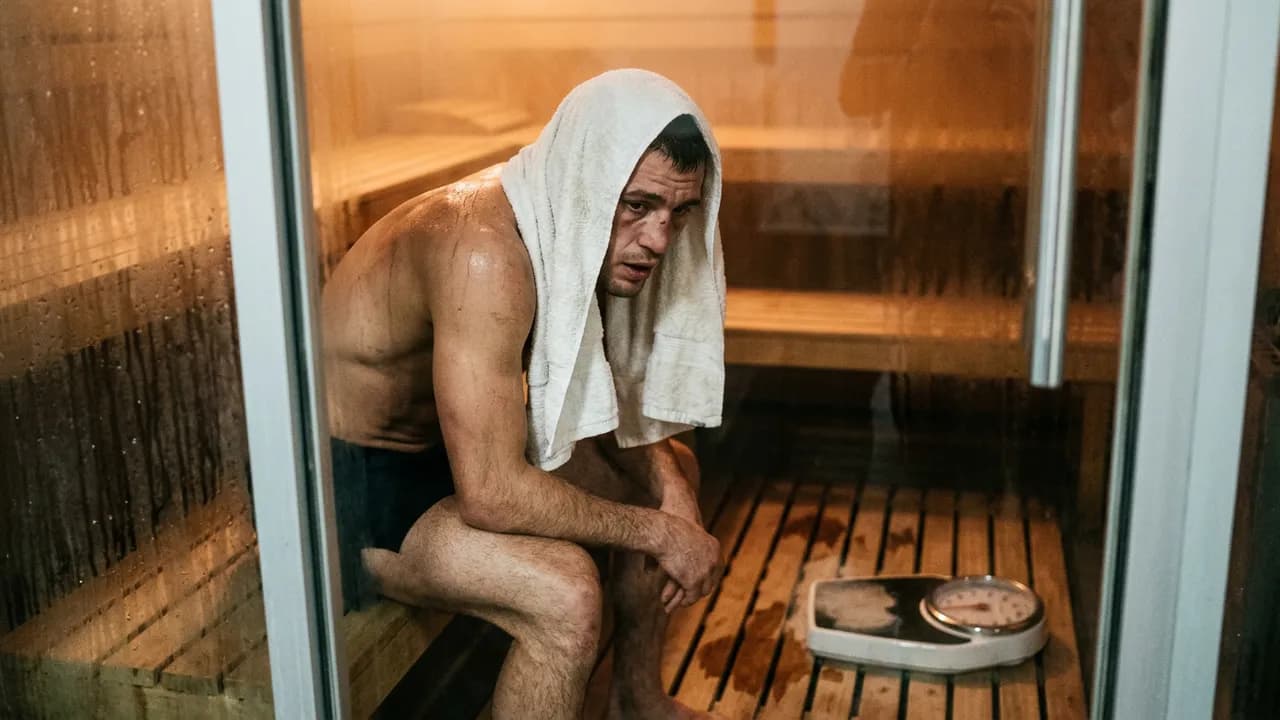
Behind every iconic underground fighting image is a photographer who understood that capturing a fight is about far more than documenting punches. The best fight photographers freeze moments of courage, fear, pain, and triumph that convey what it means to step into an unsanctioned ring. This is the visual art of underground fighting.
What Makes Fight Photography Unique
Fight photography occupies a challenging space between sports photography, photojournalism, and fine art:
Technical Challenges
- Lighting — Underground venues often have poor, inconsistent, or mixed lighting
- Speed — Punches travel at speeds that challenge even the fastest shutter speeds
- Access — Getting close enough for compelling shots means risking your own safety
- Environment — Sweat, blood, crowd movement, and unpredictable action
- Equipment protection — Cameras and lenses are vulnerable in fight environments
Artistic Opportunities
- Raw emotion — Underground events produce unguarded emotional moments
- Visual drama — The contrast between light and shadow in fight venues creates natural drama
- Storytelling — A single image can capture an entire narrative arc
- Intimacy — The closeness of underground events allows a level of access impossible in major arenas
- Authenticity — No publicists, no image management, no filters
The Craft of Fight Photography
Before the Fight
The best photographers arrive early and document:
- Fighter preparation and warm-ups
- Venue atmosphere and crowd gathering
- Hand wrapping and equipment preparation
- Quiet moments of contemplation and nerves
- Corner conversations and strategy discussions
During the Fight
Key moments to capture:
- The first exchange — when both fighters are fresh and the outcome is uncertain
- Impact moments — the split second of connection between fist and target
- Defensive moments — slips, blocks, and evasions that show skill
- Turning points — when the momentum of a fight shifts
- The finish — knockouts, stoppages, and referee interventions
After the Fight
Often the most powerful images come after the action:
- Victory and defeat emotions in raw form
- Corner reactions and celebrations
- Medical attention and its emotional weight
- Fighters acknowledging each other
- Crowd dispersal and venue aftermath
Equipment for Fight Photography
Camera Bodies
- Full-frame DSLRs or mirrorless — The low-light performance is essential
- Fast autofocus systems — Fighting moves quickly and unpredictably
- Dual card slots — You do not want to lose a night's work to a card failure
- Weather sealing — Sweat, spit, and blood are occupational hazards
Lenses
| Lens Type | Use Case | Why |
|---|---|---|
| 24-70mm f/2.8 | Primary fight lens | Versatile, fast, sharp |
| 70-200mm f/2.8 | Ringside distance work | Compression and isolation |
| 35mm f/1.4 | Atmosphere and crowd | Wide enough for context |
| 85mm f/1.4 | Portraits | Beautiful fighter portraits |
| 50mm f/1.4 | General purpose | Light, fast, reliable |
Settings
- Shutter speed: 1/500 minimum for freezing action, 1/1000+ for knockouts
- Aperture: f/2.8 or wider for low light
- ISO: As high as your camera handles cleanly (modern cameras: ISO 3200-12800)
- Drive mode: Continuous shooting for burst sequences
- Focus: Continuous AF with zone or group selection
The Ethics of Fight Photography
Fight photography raises important ethical questions:
Consent
- Do fighters consent to being photographed in vulnerable moments?
- Are images used in ways fighters would approve?
- Are unconscious or seriously injured fighters photographed respectfully?
Exploitation
- Does the photography exploit poverty, violence, or desperation?
- Is there a power imbalance between photographer and subject?
- Who profits from the images?
Documentation vs. Glorification
- Where is the line between documenting and promoting illegal activity?
- Can photography be objective about violence?
- Does sharing images normalize dangerous behavior?
The best fight photographers navigate these questions thoughtfully, building relationships with fighters and communities rather than extracting content from them.
Breaking In: How to Start
For photographers interested in the underground fighting world:
- Start with sanctioned events — BKFC and other licensed promotions often credential photographers
- Build a portfolio — Shoot local boxing gyms, amateur MMA events, and martial arts competitions
- Connect with organizations — Reach out to underground fighting content creators and offer your services
- Share your work — Post on Instagram with relevant hashtags and tag organizations
- Understand the culture — Spend time in fight communities before picking up a camera
The Future of Fight Visual Culture
Fight photography is evolving alongside the underground fighting world:
- Drone photography adding new perspectives to outdoor events
- 360-degree cameras creating immersive fight experiences
- AI-enhanced editing improving low-light image quality
- NFT and digital art markets creating new revenue for fight photographers
- Gallery exhibitions legitimizing fight photography as fine art
- Documentary integration with photographers contributing to fight documentaries
The visual culture of underground fighting is one of its most powerful and accessible elements. Great fight photography transcends the sport itself, becoming art that speaks to universal human experiences of courage, vulnerability, and the will to endure.
Photography is storytelling. In underground fighting, the stories written in fists and sweat deserve to be told with the same craft and care as any other human experience.