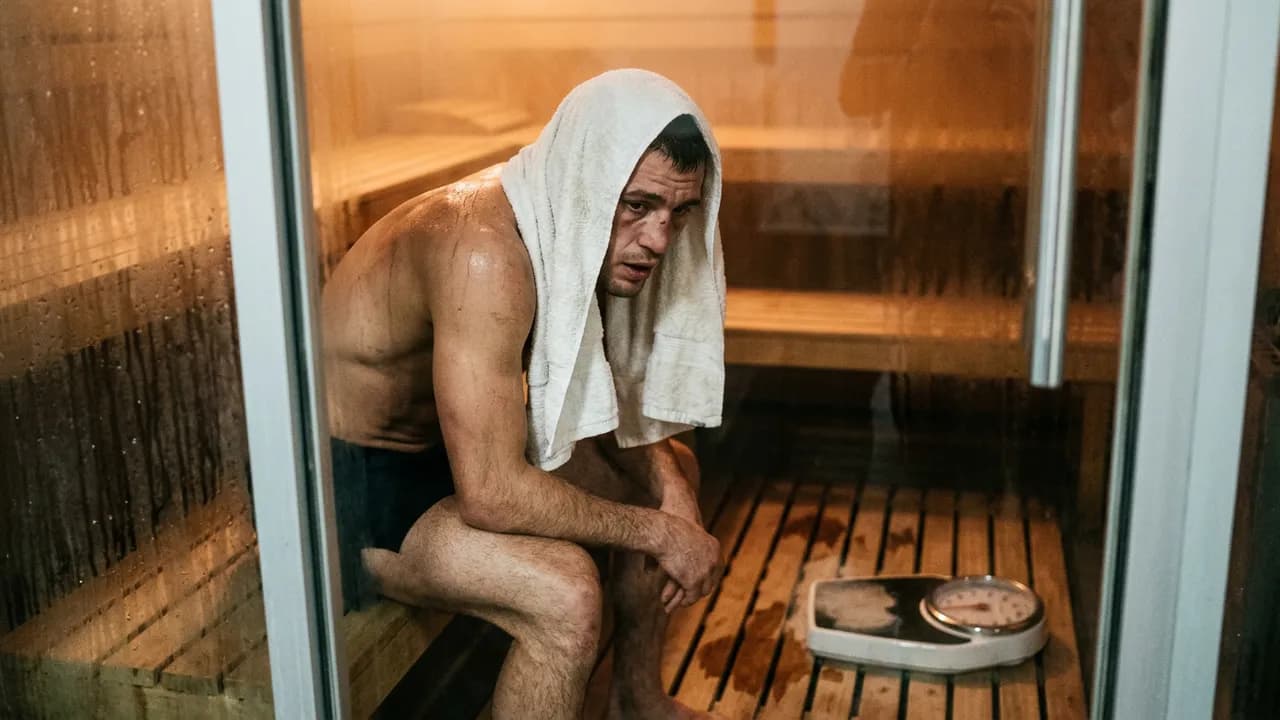
The relationship between underground fighting and mainstream media is complicated. Major outlets oscillate between moral panic, fascination, and genuine journalism when covering unsanctioned combat. Understanding how this coverage works reveals as much about media as it does about fighting.
The Coverage Spectrum
Mainstream media coverage of underground fighting falls along a spectrum:
Sensationalist
At one extreme, outlets treat underground fighting as shocking content designed to generate clicks and viewers:
- Headlines emphasizing danger and illegality
- Fight Club movie references in every story
- Focus on the most extreme injuries and incidents
- Interviews with concerned authorities rather than participants
- Moral framing that positions fighters as victims or deviants
Neutral/Journalistic
In the middle, serious journalism attempts to understand the culture:
- Long-form features exploring motivations and communities
- Balanced perspectives including fighters, organizers, and regulators
- Historical and cultural context
- Examination of legal and regulatory issues
- Data and research when available
Celebratory
At the other extreme, some outlets embrace underground fighting as exciting entertainment:
- Highlight compilations and knockout supercuts
- Fighter profiles that focus on toughness and skill
- Event previews and reviews
- Business analysis framing fighting as legitimate enterprise
- Integration into sports media coverage
Major Media Moments
Several media events have shaped public perception of underground fighting:
Vice Media Coverage (2010s)
Vice was among the first mainstream outlets to cover underground fighting with empathy and curiosity rather than moral judgment. Their documentaries and articles introduced millions to organizations and cultures that had existed in obscurity.
ESPN and Bare Knuckle
ESPN's coverage of BKFC events and fighters represented a significant legitimization moment. When the world's largest sports media company treats bare knuckle fighting as a real sport, public perception shifts.
Dawg Fight Media Cycle
The release of Dawg Fight in 2015 triggered a media cycle that included:
- Feature stories in major newspapers
- Television news segments
- Debates about the ethics of backyard fighting
- Discussions about poverty, race, and violence
YouTube Algorithm Controversy
Media coverage of the YouTube algorithm's role in promoting fight content raised questions about platform responsibility and content moderation.
How Different Outlets Approach Coverage
| Outlet Type | Typical Approach | Example Coverage |
|---|---|---|
| Network TV news | Sensationalist | "Dangerous underground fight clubs" exposés |
| Print newspapers | Varies by outlet | Long-form features or brief crime reports |
| Sports media | Increasingly neutral | Event coverage, fighter profiles |
| Digital-first outlets | Entertainment-forward | Highlight videos, listicles |
| Podcasts | In-depth, nuanced | Long-form interviews with participants |
| Documentary | Character-driven | Following fighters and organizations |
The Framing Problem
The biggest issue in mainstream coverage of underground fighting is framing. The lens through which a story is told determines what audiences understand:
The "Dangerous Underworld" Frame
Treats underground fighting as a social problem. Emphasizes:
- Injuries and deaths
- Legal violations
- Criminal connections
- Exploitation of vulnerable populations
The "Modern Gladiators" Frame
Romanticizes fighters as heroic figures. Emphasizes:
- Courage and toughness
- Rags-to-riches narratives
- Personal transformation through combat
- The purity of fighting without institutional barriers
The "Business Story" Frame
Treats underground fighting as a business phenomenon. Emphasizes:
- Revenue models and economics
- Social media growth
- Investment and valuation
- Industry trends and predictions
The "Community" Frame
Focuses on the social function of fighting. Emphasizes:
- Community building and belonging
- Conflict resolution
- Economic opportunity in disadvantaged areas
- Cultural tradition and heritage
The Impact of Media Coverage
Media coverage directly affects the underground fighting world:
Positive Effects
- Drives audience growth and revenue
- Attracts sponsors and investors
- Pressures organizations to improve safety standards
- Advances legalization by normalizing the sport
- Brings public attention to fighter safety issues
Negative Effects
- Attracts law enforcement attention to events operating in legal gray areas
- Can endanger fighters and organizers by revealing locations and identities
- Sensationalized coverage creates backlash and political opposition
- Misrepresentation damages the reputation of well-run organizations
- Creates pressure for spectacle that can compromise fighter safety
Social Media vs. Traditional Media
The rise of social media has fundamentally changed the media dynamics of underground fighting:
| Factor | Traditional Media | Social Media |
|---|---|---|
| Gatekeeping | Editors decide what is covered | Anyone can share content |
| Framing | Controlled by journalists | Controlled by participants |
| Speed | Days to weeks | Instant |
| Accuracy | Generally fact-checked | Variable |
| Reach | Declining | Expanding |
| Revenue | Advertising-driven | Algorithm-driven |
Underground fighting organizations increasingly bypass traditional media entirely, using YouTube, Instagram, and TikTok to control their own narratives.
Advice for Media Covering Underground Fighting
Based on the best coverage to date, journalists approaching underground fighting should:
- Spend time in the community before writing about it
- Center fighter voices rather than outside commentators
- Provide context — historical, legal, cultural, and economic
- Avoid the Fight Club comparison — it is lazy and inaccurate
- Acknowledge complexity — underground fighting is neither purely good nor purely evil
- Consider consequences — coverage can bring unwanted legal or law enforcement attention to subjects
- Fact-check rigorously — the underground fighting world generates rumors and myths
The future of underground fighting coverage will likely see further convergence between mainstream and social media, with the most trusted voices being those who earn credibility through sustained, respectful engagement with the community.