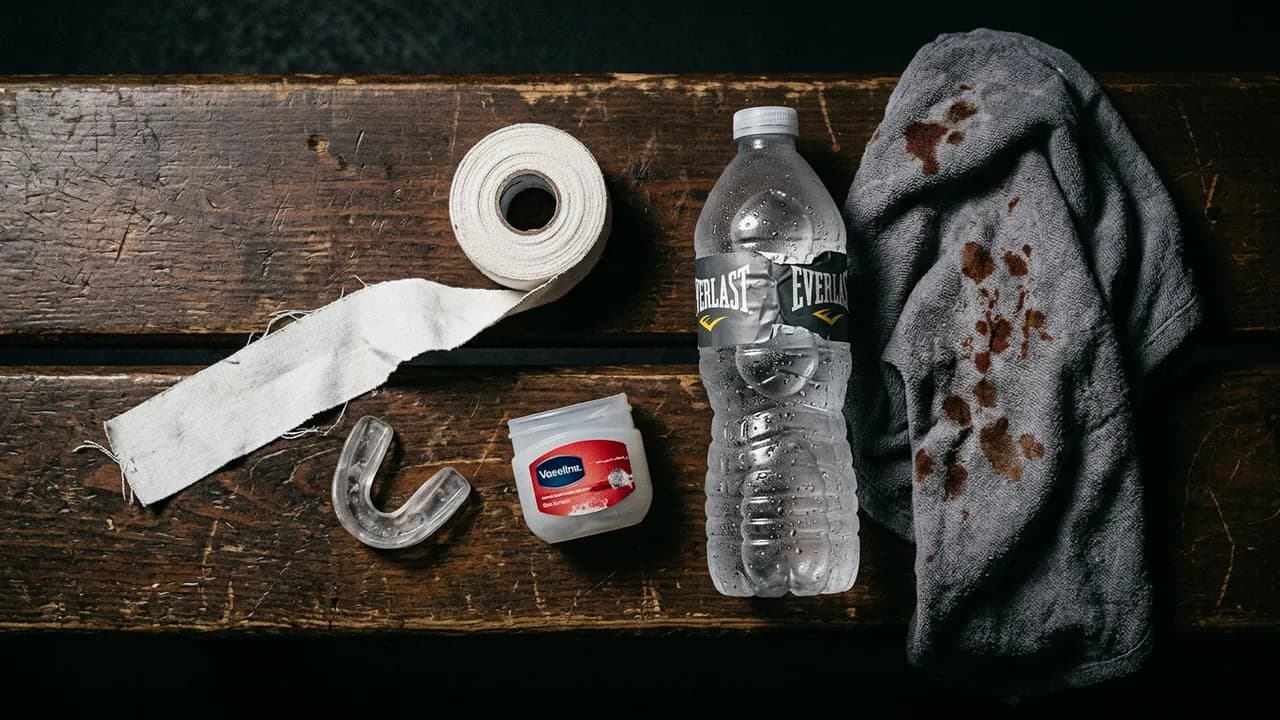
Starting a fight promotion is one of the most challenging and rewarding ventures in sports entertainment. Whether you are launching a sanctioned bare knuckle operation or a content-focused backyard organization, the business fundamentals remain the same. Here is the comprehensive guide.
Step 1: Define Your Model
Before anything else, decide what kind of promotion you want to run:
Licensed/Sanctioned Events
- Operate under athletic commission oversight
- Follow ABC unified rules or state-specific rules
- Higher startup costs but greater legal protection
- Access to larger venues and mainstream distribution
Content-First Operations
- Focus on creating YouTube and social media content
- Lower startup costs but navigate legal gray areas
- Revenue primarily through digital channels
- Examples: Streetbeefs model
Hybrid Model
- Combination of live events and digital content
- Flexible based on available resources
- Can transition from content-first to fully licensed over time
Step 2: Legal Foundation
Business Structure
- Form an LLC or corporation (never operate as a sole proprietor — liability is too high)
- Obtain an EIN (Employer Identification Number)
- Open a dedicated business bank account
- Consult an attorney experienced in combat sports
Licensing
If operating sanctioned events:
- Identify your state's athletic commission
- Research state-specific requirements
- Apply for a promoter's license
- Budget for licensing fees ($500-$5,000 per event)
- Allow 3-6 months for initial licensing
Insurance
- General liability insurance ($1M minimum)
- Participant accident insurance
- Event cancellation insurance (recommended)
- Workers' compensation (if employees)
- Estimated first-year insurance costs: $15,000-$50,000
Step 3: Financial Planning
Startup Budget
| Category | Minimum | Comfortable |
|---|---|---|
| Legal and incorporation | $2,000 | $5,000 |
| Insurance (annual) | $15,000 | $30,000 |
| Licensing fees | $1,000 | $5,000 |
| Equipment (ring, cameras, PA) | $5,000 | $25,000 |
| First event costs | $10,000 | $50,000 |
| Marketing | $2,000 | $10,000 |
| Working capital | $10,000 | $25,000 |
| Total | $45,000 | $150,000 |
Revenue Projections (Year 1)
Be conservative. Most fight promotions lose money in their first year:
- Revenue target: $50,000-$200,000
- Realistic profit: Break-even to small loss
- Path to profitability: Typically Year 2-3
Step 4: Build Your Team
Essential Roles
| Role | Responsibility | Cost Model |
|---|---|---|
| Promoter (you) | Overall vision and management | Owner |
| Matchmaker | Fighter recruitment and bout pairing | Per-event fee or salary |
| Referee(s) | In-ring officiating | Per-event fee ($200-$500) |
| Judges | Scoring | Per-event fee ($150-$300 each) |
| Ring physician | Medical oversight | Per-event fee ($500-$2,000) |
| Videographer | Content capture | Salary or per-event |
| Editor | Post-production | Salary or per-event |
| Security | Crowd and fighter safety | Per-event ($500-$2,000) |
Building Relationships
- Network within local martial arts and boxing gyms
- Attend other organizations' events
- Build relationships with athletic commission members
- Connect with experienced corners and trainers
- Join industry associations
Step 5: Venue Selection
Venue Types
| Venue | Capacity | Cost | Pros | Cons |
|---|---|---|---|---|
| Arena/convention center | 500-5,000 | $5,000-$20,000 | Professional, scalable | Expensive |
| Warehouse/industrial | 100-500 | $1,000-$5,000 | Atmospheric | May need permits |
| Outdoor/private land | 100-1,000+ | $0-$2,000 | Low cost, flexible | Weather dependent |
| Bar/restaurant | 50-200 | $500-$2,000 | Built-in audience | Limited space |
Venue Requirements
- Adequate space for ring/fighting area plus spectators
- Emergency vehicle access
- Restroom facilities
- Electrical capacity for lighting and PA
- Parking or transportation access
- Liability coverage requirements
Step 6: Fighter Recruitment
Finding Fighters
- Local gyms and training facilities
- Social media outreach
- Reddit and Discord communities
- Other organization crossovers
- Open tryouts
Matchmaking Principles
- Safety first — match by experience level and weight
- Entertainment value — compelling matchups drive content
- Fighter development — build fighters' records and stories
- Diversity — variety in styles and backgrounds
- Consent — ensure fighters understand what they are signing
Step 7: Content Strategy
Content is the lifeblood of modern fight promotions:
Pre-Event
- Fighter announcement posts
- Training camp footage
- Countdown content
- Social media promotion
Event Day
- Multi-camera setup (minimum 3 cameras for quality content)
- Audio capture (crowd, corners, commentary)
- Behind-the-scenes footage
- Live streaming if applicable
Post-Event
- Individual fight edits for YouTube
- Highlight clips for TikTok and Instagram Reels
- Post-fight interviews
- Results and analysis content
Step 8: Revenue Development
Initial Revenue Focus
- YouTube ad revenue (build consistently)
- Ticket sales (start small, grow organically)
- Basic merchandise (t-shirts and hats)
Growth Revenue
- Sponsorship — approach brands once you have audience data
- PPV for premium events
- Channel memberships and Patreon
- Merchandise expansion
Revenue Timeline
| Quarter | Focus |
|---|---|
| Q1-Q2 | Build content library, grow YouTube |
| Q3-Q4 | First sponsorship outreach |
| Year 2 | PPV experiments, merchandise launch |
| Year 3 | Diversified revenue streams |
Common Mistakes to Avoid
- Spending too much on the first event — Start lean and scale
- Ignoring legal requirements — Legal compliance is not optional
- Poor matchmaking — Mismatches are dangerous and produce bad content
- Neglecting content — The fight is the product, the content is the business
- Overpaying fighters early — Establish revenue before increasing purses
- No medical support — Always have qualified medical personnel on site
- Ignoring community — Fighters and fans are your partners, not your customers
- Single platform dependency — Diversify across multiple platforms
Success Metrics
Track these metrics to measure your promotion's health:
| Metric | Target (Year 1) |
|---|---|
| YouTube subscribers | 10,000-50,000 |
| Average views per video | 10,000-50,000 |
| Events held | 4-8 |
| Fighter retention | 60%+ returning |
| Revenue per event | Cover costs |
| Safety record | Zero serious incidents |
The economics of bare knuckle fighting favor patient operators who build sustainably rather than those who try to go big immediately.
This guide covers general business principles. Specific requirements vary by jurisdiction. Consult legal, financial, and insurance professionals before launching a fight promotion.